
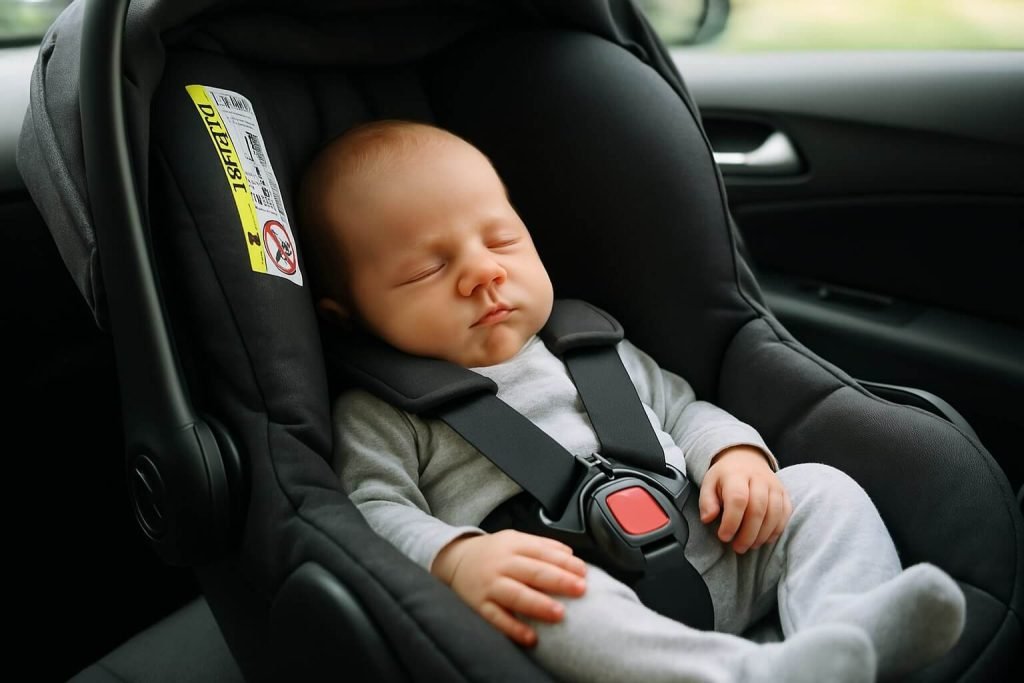
Ensuring your newborn’s safety during car travel is one of the most important responsibilities as a parent. With so many car seat options and installation techniques, it’s easy to feel overwhelmed. This guide breaks down essential car seat safety tips for newborns, helping you make informed decisions and travel with peace of mind.
🚗 Why Car Seat Safety Matters for Newborns
Newborns are especially vulnerable in car accidents due to their delicate neck and spine. A properly installed rear-facing car seat can reduce the risk of fatal injury by up to 71%, according to the National Highway Traffic Safety Administration (NHTSA). It’s not just about following the law—it’s about protecting your baby from preventable harm.
🧠 Choosing the Right Car Seat for Your Newborn
There are two main types of car seats suitable for newborns:
- Infant Car Seats: Rear-facing, portable, and designed specifically for newborns. Most come with a base that stays in the car.
- Convertible Car Seats: Can be used rear-facing for infants and later converted to forward-facing as your child grows.
Key features to look for:
- Five-point harness system
- Side-impact protection
- Energy-absorbing foam
- Compatibility with your vehicle
- Easy-to-read recline indicators
🔧 Proper Installation Techniques
Incorrect installation is one of the most common car seat safety mistakes. Follow these steps to ensure a secure fit:
- Read both manuals: Your car seat and vehicle manuals contain crucial installation instructions.
- Use the LATCH system or seat belt: Never use both simultaneously.
- Check for movement: The seat should not move more than one inch side-to-side or front-to-back.
- Recline angle: Newborns need a semi-reclined position to keep their airway open.
💡 Tip: Many fire stations and hospitals offer free car seat installation checks by certified technicians.
👶 Securing Your Newborn Correctly
Once the seat is installed, securing your baby properly is just as important.
- Harness straps: Should be at or below the baby’s shoulders.
- Chest clip: Position it at armpit level.
- Snug fit: You shouldn’t be able to pinch any slack in the straps.
- Avoid bulky clothing: Use thin layers and cover with a blanket if needed.
❌ Common Mistakes to Avoid
- Using expired or second-hand car seats without knowing their history
- Placing the car seat in the front seat
- Switching to forward-facing too early
- Loose harness straps or incorrect chest clip placement
- Adding aftermarket accessories not approved by the manufacturer
📈 When to Transition to a New Car Seat
Your newborn will eventually outgrow their infant seat. Signs it’s time to upgrade:
- Exceeds weight or height limits listed on the seat label
- Head is less than one inch from the top of the seat
- Harness straps no longer fit snugly
Consider a convertible or all-in-one seat for extended use.
🧳 Traveling Safely with Newborns
- Middle back seat: Safest spot in most vehicles
- Take breaks: Every 2 hours during long drives
- Never let baby sleep in the car seat outside the car
- Register your car seat: To receive safety updates and recalls
❓ Frequently Asked Questions (FAQs)
Q1: How long should my newborn stay rear-facing?
A: Keep your baby rear-facing until they reach the maximum height or weight limit of the car seat—ideally until age 2 or beyond.
Q2: Can I use a second-hand car seat?
A: Only if you know its full history and it hasn’t expired or been in a crash. Always check the expiration date and recall status.
Q3: What’s the safest position for a car seat in the vehicle?
A: The middle of the back seat is generally the safest, but only if the seat can be securely installed there.
Q4: How do I know if the harness is tight enough?
A: Perform the “pinch test.” If you can pinch any slack at the shoulder, it’s too loose.