Bringing a new baby home is an exciting journey, filled with anticipation and countless preparations. Among the most cherished tasks is designing their nursery – a haven of comfort, warmth, and dreams. While the aesthetics of color often take center stage, a crucial consideration for any new parent is the safety of the paint used. This comprehensive guide will explore why choosing the right “nursery paint colors safe for babies” is paramount, delve into the benefits of non-toxic options, and help you select hues that are both beautiful and healthy for your little one.
Why Safety Comes First: Understanding the Risks of Traditional Paints
Traditional paints, while offering a vast array of colors and finishes, often contain harmful chemicals that can significantly impact indoor air quality and, consequently, your baby’s delicate respiratory system and overall health. These include:
- Volatile Organic Compounds (VOCs): These are carbon-containing chemicals that evaporate at room temperature, releasing harmful fumes into the air. VOCs can cause a range of health issues, from immediate symptoms like headaches, dizziness, and nausea to long-term concerns such as respiratory problems, allergies, and even developmental issues in infants. The “new paint smell” is largely due to VOCs off-gassing, a process that can continue for months or even years after painting.
- Heavy Metals: Some conventional paints, particularly older formulas, may contain heavy metals like lead, cadmium, and mercury. While lead paint is now banned for residential use in many countries, older homes might still have it. Ingesting or inhaling lead particles can cause severe neurological damage and developmental delays, especially in young children who are prone to putting things in their mouths.
- Formaldehyde: This is another common chemical found in paints, known to be a carcinogen and an irritant to the eyes, nose, and throat.
- Phthalates: These chemicals are often used to make paints more flexible and durable but have been linked to hormone disruption and other health concerns.
Given that infants spend a significant amount of time in their nursery, often sleeping and breathing deeply in this space, minimizing exposure to these harmful substances is not just a preference, but a necessity.
The Power of Non-Toxic: Benefits Beyond Safety
Opting for “non-toxic nursery paint colors” offers a multitude of benefits that extend beyond simply avoiding harmful chemicals. These paints are typically formulated with natural ingredients, plant-based solvents, and zero or ultra-low VOCs, creating a healthier environment for your baby and the entire family.
Here’s why they are the superior choice:
- Improved Air Quality: This is the most significant advantage. Non-toxic paints dramatically reduce off-gassing, ensuring the air your baby breathes is clean and free from irritants. This is particularly crucial for newborns and infants with sensitive respiratory systems or those prone to allergies and asthma.
- Safer for Sensitive Skin: Babies have incredibly delicate skin, and exposure to harsh chemicals in traditional paints can cause irritation or allergic reactions. Non-toxic formulas are gentler and less likely to trigger such sensitivities.
- Eco-Friendly and Sustainable: Many non-toxic paint brands are committed to environmental responsibility, utilizing sustainable and renewable resources in their production. This means you’re not only protecting your child’s health but also contributing to a healthier planet.
- Peace of Mind: Knowing you’ve chosen the safest options for your baby’s haven provides invaluable peace of mind, allowing you to focus on the joys of parenthood.
- Long-lasting and Beautiful Finish: Don’t mistake “non-toxic” for “less durable” or “limited in color.” Modern non-toxic paints offer a rich, smooth, and long-lasting finish that is just as aesthetically pleasing as conventional paints. Many even boast enhanced durability and washability, perfect for a room that will undoubtedly see its share of spills and smudges.
Choosing Your Palette: Safe and Soothing Nursery Paint Colors
While safety is paramount, color still plays a vital role in creating a nurturing and stimulating environment for your baby. Research suggests that colors can influence mood, behavior, and even cognitive development. When selecting “nursery paint colors safe for babies,” consider the psychological effects of different hues:
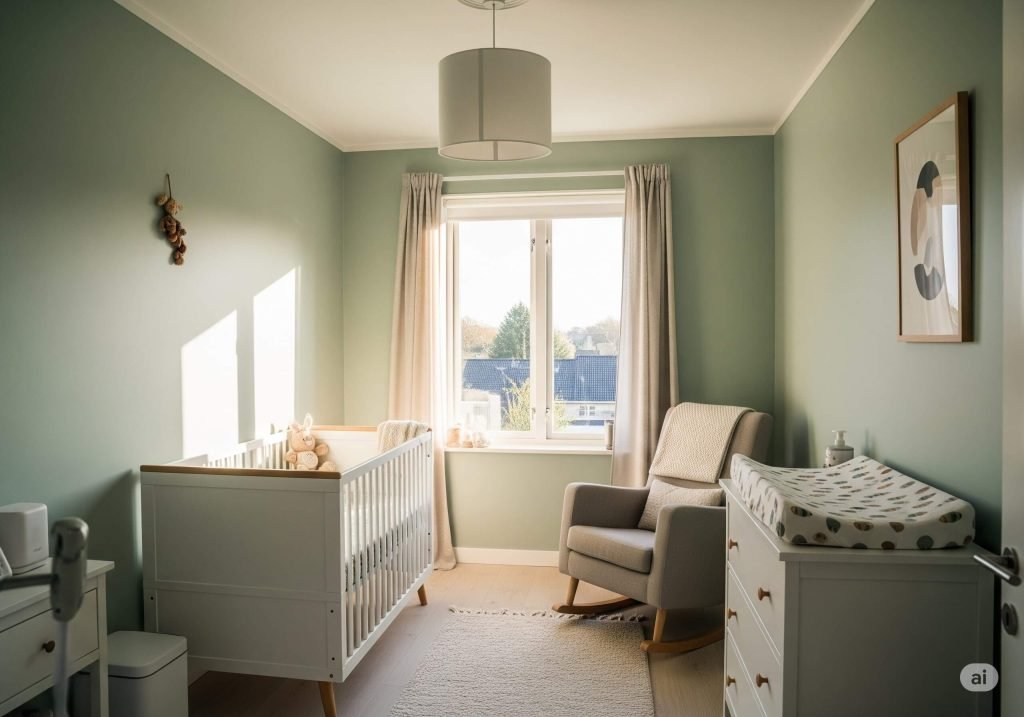
- Soft Blues and Greens: These colors are renowned for their calming and soothing properties. They evoke a sense of tranquility and nature, promoting relaxation and aiding in sleep. Light blues are often associated with peace and serenity, while sage greens symbolize renewal and balance. They are excellent choices for creating a serene backdrop.
- Gentle Yellows: Soft, buttery yellows can bring warmth, cheerfulness, and a sense of optimism to the nursery. They are believed to stimulate happiness and promote concentration in a gentle way. Avoid overly bright or intense yellows, which can be overstimulating for infants.
- Warm Neutrals (Off-Whites, Beiges, Greys): These classic choices provide a versatile and timeless foundation for any nursery. They create a clean, airy, and sophisticated feel, allowing you to introduce pops of color and personality through décor and accessories. Look for off-whites with warm undertones to prevent the room from feeling stark. Light greys can also offer a modern and calming effect.
- Subtle Pinks and Lavenders: For a touch of softness and sweetness, pastel pinks can evoke empathy and create a gentle, loving atmosphere. Similarly, light lavenders, blending the calming effect of blue with a hint of red’s energy, can feel luxurious and comforting.
- Earthy Tones: Incorporating soft browns or terracotta hues can provide a grounding and cozy feel, reminiscent of nature. These can be particularly appealing for creating a rustic or bohemian-inspired nursery.
Remember, balance is key. While a single dominant color can be effective, incorporating accent walls or subtle variations in shades can add depth and visual interest without overwhelming your baby.
Key Considerations When Buying Safe Nursery Paint
To ensure you’re truly selecting “nursery paint colors safe for babies,” keep these crucial factors in mind:
- Zero-VOC or Low-VOC Certification: Look for paints explicitly labeled as “Zero VOC” or “Low VOC.” Certifications from reputable organizations like GREENGUARD Gold, Green Seal, or EcoLabel provide an added layer of assurance. These certifications signify that the product meets stringent standards for low chemical emissions.
- Water-Based Formulas: Water-based paints are generally safer than oil-based paints as they contain fewer harsh chemicals and tend to have lower VOC levels. They also offer easier cleanup with just soap and water.
- Absorbs Formaldehyde: Some advanced non-toxic paints go a step further and are formulated to absorb formaldehyde from the air, actively improving indoor air quality.
- Hypoallergenic and Odorless: If your family has a history of allergies or sensitivities, prioritize paints that are specifically marketed as hypoallergenic and truly odorless. This indicates minimal irritants.
- Durability and Washability: Nurseries are high-traffic areas prone to spills and marks. Choose paints with a durable, washable finish (e.g., eggshell or satin) to make cleaning easier and ensure your beautiful nursery lasts.
- Read the Label: Always take the time to read the product labels carefully. Understand the ingredients and any safety warnings. Don’t hesitate to ask questions if anything is unclear.
The Painting Process: Tips for a Healthy Nursery
Even with safe paints, a few practices during and after the painting process can further enhance the health of your baby’s room:
- Ventilate Thoroughly: During painting, ensure the room is well-ventilated by opening windows and using fans. This helps disperse any lingering fumes, even from low-VOC paints.
- Paint Well in Advance: Ideally, paint the nursery several weeks before your baby’s arrival. This allows ample time for any residual off-gassing to dissipate completely.
- Avoid Pregnant Individuals and Infants During Painting: While non-toxic paints are significantly safer, it’s still best for pregnant individuals and infants to avoid the freshly painted room for at least a few days.
- Proper Disposal: Dispose of paint and painting materials responsibly, following local guidelines for hazardous waste.
Conclusion: Creating a Beautiful and Healthy Sanctuary
Choosing “nursery paint colors safe for babies” is a vital step in creating a truly nurturing and healthy environment for your little one. By prioritizing zero-VOC, non-toxic, and hypoallergenic paints, you can breathe easy knowing you’ve minimized exposure to harmful chemicals. Combine this commitment to safety with thoughtfully chosen colors that promote calm, happiness, and gentle stimulation, and you’ll create a nursery that is not only visually stunning but also a true sanctuary for your baby’s healthy growth and development. Your careful choices today will lay the foundation for a brighter, healthier tomorrow for your child.
Frequently Asked Questions (FAQs) about Safe Nursery Paint Colors
Q1: What exactly are VOCs, and why are they harmful in nursery paint? A1: VOCs (Volatile Organic Compounds) are carbon-containing chemicals that off-gas (evaporate) into the air. In nursery paint, they can cause respiratory irritation, headaches, dizziness, and have been linked to long-term health issues like asthma and allergies in babies due to their sensitive developing systems.
Q2: How can I tell if a paint is genuinely safe for my baby’s nursery? A2: Look for certifications like GREENGUARD Gold, Green Seal, or EcoLabel, which indicate rigorous testing for low chemical emissions. Prioritize “Zero VOC” or “Ultra-Low VOC” labels, and choose water-based formulas. Always read the ingredient list to ensure it’s free from heavy metals, formaldehyde, and phthalates.
Q3: Are there any specific paint brands recommended for baby nurseries? A3: Yes, several brands specialize in or offer excellent non-toxic options. Some highly regarded names include AFM Safecoat, ECOS Paints, Clare Paint, Benjamin Moore Eco Spec, Behr Pro i300, Little Greene, Earthborn, and Lakeland Paints. Always verify their current certifications.
Q4: Does non-toxic paint limit my color choices for the nursery? A4: Not at all! Modern non-toxic paints come in a wide array of beautiful colors, from calming pastels and soothing neutrals to vibrant accent hues. You can still create the nursery of your dreams without compromising on safety or style.
Q5: How long should I wait after painting the nursery before bringing my baby into the room? A5: Even with non-toxic, zero-VOC paints, it’s recommended to allow the room to air out for at least a few days, ideally a week or two, before your baby starts sleeping or spending extended periods in the room. Ensure good ventilation throughout this period.