👣 Introduction
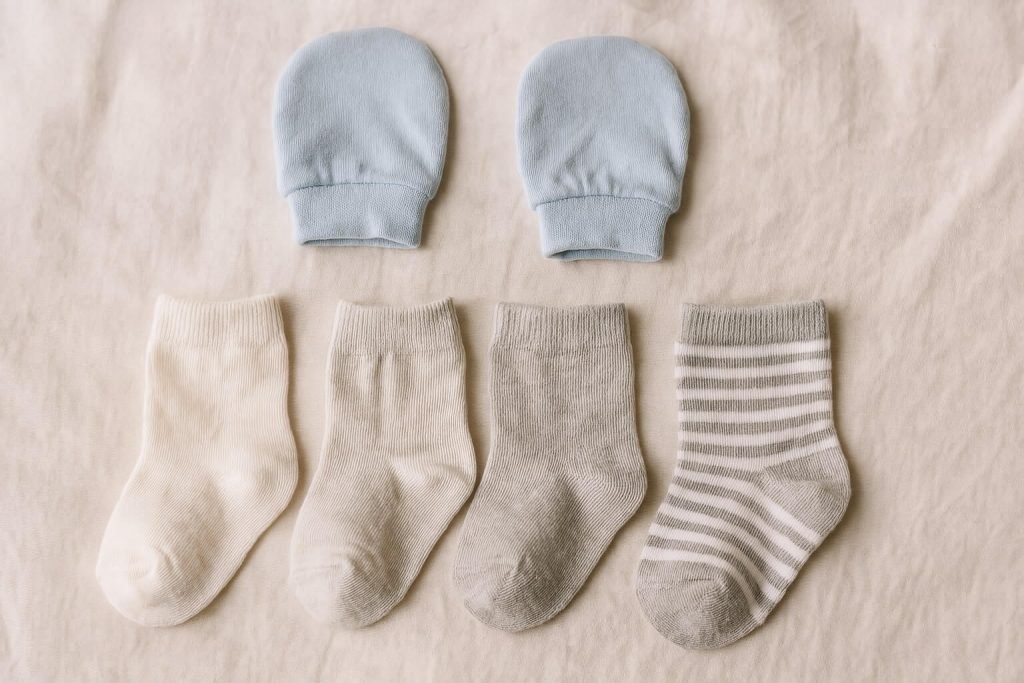
When it comes to dressing your little one, baby socks and mittens may seem like tiny accessories, but they play a huge role in keeping your newborn warm, safe, and comfortable. From preventing scratches to maintaining warmth, the right pair can make all the difference in your baby’s comfort—and your peace of mind.
In this ultimate buying guide, we’ll walk you through everything you need to consider before purchasing baby socks and mittens—from materials and sizing to seasonal picks and safety features.
🧵 Why Baby Socks and Mittens Matter
- Warmth & Comfort: Babies have a hard time regulating their body temperature. Soft socks and mittens help keep their tiny toes and fingers warm.
- Safety: Mittens prevent accidental face-scratching caused by sharp newborn nails.
- Hygiene: They act as a barrier against germs in public environments.
📏 Baby Socks: What to Look For
1. Material
Choose breathable, soft fabrics that are gentle on baby skin:
- Cotton: Great for everyday use.
- Bamboo: Naturally hypoallergenic and moisture-wicking.
- Wool: Ideal for winter but should be mixed with softer materials to prevent itchiness.
2. Grip
Non-slip grips on the soles are helpful for crawlers and early walkers to avoid slips on smooth surfaces.
3. Stretch & Fit
Look for socks with:
- Elastic that’s snug but not tight.
- Heel tabs or ribbed cuffs to avoid slippage.
4. Seamless Design
Seamless socks are ideal for newborns with sensitive skin to avoid pressure points or irritation.
🧤 Baby Mittens: What You Should Know
1. Scratch Mittens vs. Cold-Weather Mittens
- Scratch mittens are lightweight, soft, and made for indoor use to prevent face scratches.
- Winter mittens are thicker and insulated for outdoor outings.
2. Secure Fit
Look for:
- Gentle elastic wrists that stay in place.
- Adjustable closures like Velcro or soft ties.
3. Ease of Use
Choose mittens that are easy to slip on but not easy for the baby to remove.
🛍️ How to Choose the Right Size
Sizing varies by brand, but here are general guidelines:
| Age Group | Socks Size | Mittens Size |
|---|---|---|
| 0–3 months | Newborn (NB) | XS or Infant |
| 3–6 months | 0–6 Months | Small |
| 6–12 months | 6–12 Months | Medium |
Pro tip: Always check the product’s size chart. When in doubt, size up—babies grow fast!
🍃 Seasonal Recommendations
- Summer: Lightweight cotton socks and breathable mittens.
- Winter: Wool-blend socks with fleece-lined mittens or waterproof options for outings.
- Rainy Days: Anti-slip socks are especially useful on wet indoor floors.
🧼 Caring Tips
Keep your baby’s socks and mittens clean and in good condition by:
- Washing in cold water using gentle, baby-friendly detergent.
- Avoiding harsh bleach or fabric softeners.
- Air-drying to maintain softness and shape.
🛒 Where to Buy Baby Socks and Mittens
Here are some of the best shopping options:
- Local baby boutiques for personalized service and better size checks.
- Online marketplaces (e.g., Amazon, Etsy) for a wide range of organic, handmade options.
- Brand sites like Carter’s, H&M Baby, or Gerber for trustworthy sizing and quality.
🎁 Bonus Tips for Gifting
Baby socks and mittens make thoughtful, affordable additions to baby shower gifts. Consider:
- Choosing gender-neutral colors.
- Bundling sets with matching caps and onesies.
- Including a handwritten note with laundry instructions.
❓ FAQs – Baby Socks and Mittens
Q1. How many pairs of socks and mittens does a newborn need?
A: Aim for 5–7 pairs of each. You’ll go through several daily due to messes and growth spurts.
Q2. Are baby mittens safe for sleeping?
A: Lightweight, breathable scratch mittens are generally safe for supervised naps. Avoid bulky or loosely fitting mittens overnight.
Q3. What materials are best for sensitive baby skin?
A: Organic cotton or bamboo blends are ideal—they’re soft, breathable, and hypoallergenic.
Q4. Should babies wear socks indoors during summer?
A: Only if the environment is cool. Otherwise, barefoot time helps foot development.