
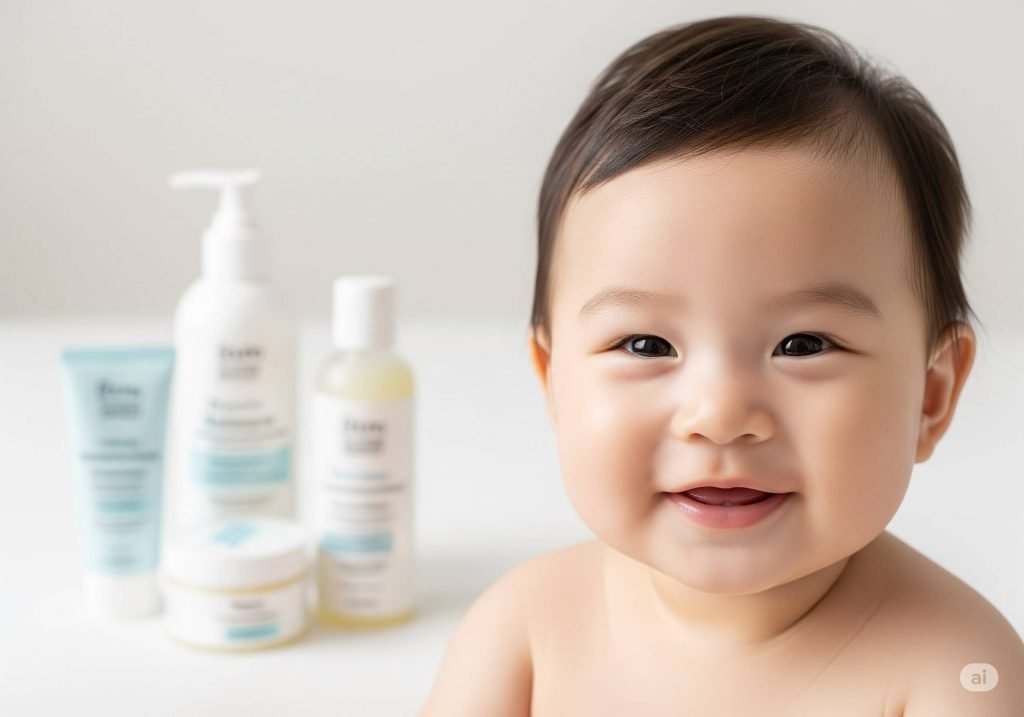
Bringing a new baby home is a joyous occasion, filled with tiny fingers, sweet coos, and a whole lot of love. Amidst the excitement, parents quickly realize the immense responsibility of caring for their little one’s delicate needs, and baby skincare often becomes a significant point of concern. With a myriad of products lining store shelves, how do you choose what’s truly best for your baby’s sensitive skin? The answer lies in expert guidance: pediatrician-reviewed baby skincare brands.
A baby’s skin is remarkably different from an adult’s. It’s thinner, more porous, and its natural barrier is still developing, making it highly susceptible to dryness, irritation, and even allergic reactions. This is why the “less is more” approach, coupled with products specifically formulated for infants, is universally recommended by pediatricians and dermatologists alike. These experts prioritize ingredients that are gentle, hypoallergenic, fragrance-free, and ideally, pH-balanced (around 5.5) to support the skin’s natural acid mantle.
So, what are these trusted brands that pediatricians consistently recommend? Let’s delve into some of the top contenders that have earned their stamp of approval.
The Pediatrician’s Top Picks: Brands That Deliver
When it comes to safeguarding your baby’s skin, several brands consistently rise to the top in pediatrician recommendations due to their commitment to gentle, effective formulations.
CeraVe Baby: This brand is a consistent favorite among healthcare professionals. CeraVe Baby products, including their wash & shampoo and moisturizing lotion, are lauded for containing three essential ceramides, which are naturally occurring lipids crucial for maintaining a healthy skin barrier. They are fragrance-free, paraben-free, and designed to provide long-lasting hydration without irritation. The Baby Eczema Relief Cream is particularly effective for babies prone to eczema, thanks to its blend of ceramides and colloidal oatmeal.
Aveeno Baby: Another highly recommended brand, Aveeno Baby harnesses the power of natural ingredients, particularly colloidal oatmeal. Their Daily Moisture Lotion and Wash & Shampoo are known for their ability to soothe and hydrate dry, sensitive skin. Pediatricians often recommend Aveeno for its gentle, hypoallergenic formulas that help relieve discomfort associated with dryness and mild eczema. Their Eczema Therapy line is also a popular choice for more targeted relief.
Cetaphil Baby: Much like its adult counterpart, Cetaphil Baby is renowned for its gentle, non-irritating formulas. Pediatricians appreciate their commitment to creating hypoallergenic products free from harsh chemicals, dyes, and parabens. The Cetaphil Baby Daily Lotion and Wash & Shampoo are excellent for everyday use, providing essential moisture and cleansing without stripping the skin’s natural oils.
Aquaphor Baby: For specific concerns like diaper rash, dry patches, or minor skin irritations, Aquaphor Baby Healing Ointment is a go-to for many pediatricians. Its petrolatum-based formula creates a protective barrier, promoting healing and preventing further irritation. It’s a versatile product often recommended for its soothing and restorative properties.
Mustela: This French brand specializes in skincare for newborns and infants, with a strong emphasis on natural ingredients. Mustela’s products, such as their Hydra Bébé Body Lotion and Stelatopia Lipid-Replenishing Cream, are often recommended for their effectiveness in supporting delicate skin, especially for babies with very dry or eczema-prone skin. Many of their formulations are hypoallergenic and free from parabens, phthalates, and phenoxyethanol.
Eucerin Baby: Often recommended for extremely sensitive or very dry skin, Eucerin Baby products, like their Unscented Baby Shampoo and Body Wash, contain Vitamin B5 and shea butter, known for their moisturizing and soothing properties. They are designed to be fragrance-free and dye-free, minimizing the risk of irritation.
Pipette Baby: This brand has gained popularity for its science-backed approach and use of sugarcane-derived squalane, a natural hydrator that mimics the vernix (the protective coating babies are born with). Pediatricians appreciate Pipette’s commitment to clean ingredients and formulas that are dermatologist-tested and pediatrician-approved.
What Pediatricians Look For: Key Considerations
Beyond specific brands, pediatricians emphasize certain criteria when recommending baby skincare products:
- Fragrance-Free: Artificial fragrances are a common cause of skin irritation and allergic reactions in babies. Always opt for products explicitly labeled “fragrance-free.”
- Hypoallergenic: While “hypoallergenic” doesn’t guarantee zero reactions, it indicates the product is less likely to cause an allergic response.
- Paraben-Free and Phthalate-Free: These chemicals are often found in personal care products and are best avoided due to potential health concerns.
- Dye-Free: Dyes can also be irritants for sensitive baby skin.
- pH-Balanced: Products with a pH around 5.5 support the skin’s natural acid mantle, which is crucial for its protective function.
- Simple Ingredients: A shorter, more recognizable ingredient list is generally preferred, as it reduces the likelihood of encountering potential irritants.
- Non-Comedogenic: This means the product won’t clog pores, which is important for preventing breakouts and irritation.
Beyond the Bottle: Skincare Habits Pediatricians Recommend
Choosing the right products is just one piece of the puzzle. Pediatricians also advocate for specific skincare practices:
- Less is More: Resist the urge to over-bathe your baby. Two to three times a week is often sufficient for newborns, with quick, lukewarm baths. Over-bathing can strip natural oils.
- Gentle Cleansing: Use a mild, pH-balanced cleanser designed for babies. Avoid harsh soaps or bubble baths.
- Prompt Moisturizing: Apply moisturizer immediately after bathing, while the skin is still slightly damp, to lock in moisture.
- Pat Dry, Don’t Rub: Gently pat your baby’s skin dry with a soft towel instead of rubbing.
- Diaper Care: Frequent diaper changes and the use of a protective barrier cream (like zinc oxide or petroleum jelly) are crucial for preventing diaper rash.
- Sun Protection: For babies under six months, avoid direct sun exposure. For older babies, use broad-spectrum mineral sunscreens (zinc oxide or titanium dioxide) and protective clothing.
- Laundry Detergent: Use fragrance-free and dye-free laundry detergents specifically designed for sensitive skin.
By understanding the unique needs of your baby’s skin and relying on the expertise of pediatricians, you can confidently choose skincare products that promote health, comfort, and well-being for your little one.
FAQ: Baby Skincare Brands Reviewed by Pediatricians
Q1: Why is it important to use pediatrician-reviewed baby skincare products? Meta Description: Discover why pediatrician-reviewed baby skincare products are crucial for your infant’s delicate skin, ensuring safety and optimal skin barrier development. A1: Pediatrician-reviewed products are specifically formulated to be gentle, hypoallergenic, and free from harsh chemicals that can irritate a baby’s delicate and still-developing skin barrier. Pediatricians understand the unique physiological differences in infant skin and recommend products that support its natural health and prevent common issues like dryness, rashes, and eczema.
Q2: What ingredients should I avoid in baby skincare products? Meta Description: Learn about harmful ingredients to avoid in baby skincare, such as fragrances, parabens, and phthalates, to protect your infant’s sensitive skin. A2: Pediatricians advise avoiding artificial fragrances, parabens, phthalates, dyes, sulfates (like Sodium Lauryl Sulfate/SLS or Sodium Laureth Sulfate/SLES), and undiluted essential oils, especially for babies under six months. These ingredients can strip natural oils, disrupt the skin’s pH, and trigger allergic reactions or irritation.
Q3: How often should I moisturize my baby’s skin? Meta Description: Understand the importance of consistent baby skin moisturizing; pediatricians recommend daily application, especially after baths, to maintain hydration. A3: Pediatricians recommend moisturizing your baby’s skin at least once a day, and more frequently if your baby has dry skin or eczema. The best time to apply moisturizer is immediately after a bath, while the skin is still slightly damp, to lock in moisture effectively.
Q4: Can I use adult skincare products on my baby? Meta Description: Discover why adult skincare products are unsuitable for babies, as pediatricians highlight differences in skin pH and ingredient concentrations. A4: No, it’s not recommended. Adult skincare products often contain ingredients, fragrances, and concentrations that are too harsh for a baby’s sensitive and thinner skin. Their pH levels can also disrupt a baby’s natural acid mantle, leading to irritation. Stick to products specifically formulated and tested for infants.
Q5: What are some signs that a baby skincare product is irritating my baby’s skin?