
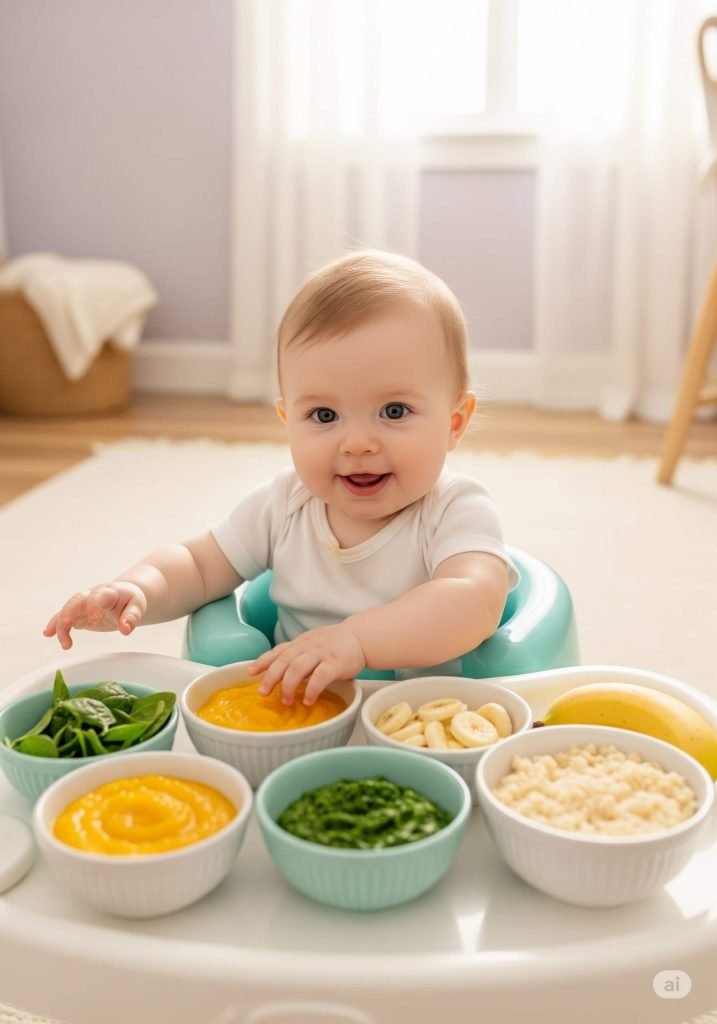
Before you even think about pureed carrots, it’s crucial to ensure your baby is developmentally ready for solid foods. Starting too early can pose choking hazards and digestive issues. Look for these key indicators, typically appearing around 6 months of age:
- Good Head and Neck Control: Your baby should be able to hold their head steady and upright without support. This is vital for safe swallowing.
- Sitting with Support: They should be able to sit upright in a high chair or with minimal support, allowing them to participate safely in mealtime.
- Loss of Tongue-Thrust Reflex: This reflex, where babies push foreign objects out of their mouths with their tongue, should have diminished. If they still push a spoon out, they might not be ready.
- Showing Interest in Food: Does your baby watch you eat with curiosity? Do they reach for your food? This interest is a strong sign they’re ready to explore.
- Opening Mouth When Food is Offered: When you bring a spoon near their mouth, do they open it in anticipation?
- Ability to Move Food from Spoon to Throat: This indicates they can coordinate their tongue and mouth muscles to swallow effectively.
If your baby exhibits most of these signs, they’re likely good to go! Always consult your pediatrician before introducing any new foods, especially if your baby has any underlying health conditions or a family history of allergies.
The Best First Foods for Your 6-Month-Old
The good news is there’s no strict order for introducing most foods. The American Academy of Pediatrics suggests offering a variety of foods from different food groups. However, focusing on iron-fortified options is often recommended as your baby’s iron stores from birth start to deplete around this age.
Here are some excellent choices for a 6-month-old:
1. Iron-Fortified Single-Grain Cereals
Often a traditional starting point, iron-fortified infant cereals (oatmeal, barley, or multigrain) mixed with breast milk or formula are easy to digest and provide essential iron. Start with a thin consistency and gradually thicken it as your baby gets used to it.
Why it’s great: Excellent source of iron, easy to prepare, and a smooth texture for beginners.
2. Pureed Fruits
Soft, ripe fruits are naturally sweet and packed with vitamins. Introduce them one at a time to monitor for any reactions.
Great options:
- Banana: Easily mashed, rich in potassium.
- Avocado: Creamy texture, healthy fats, and easy to prepare.
- Sweet Potato: Naturally sweet, rich in Vitamin A.
- Pear: Mild flavor, easy to digest.
- Apple (cooked and pureed): Cook until soft to ensure easy digestion.
How to prepare: Steam or boil harder fruits until very soft, then blend or mash with a little breast milk, formula, or water to reach a smooth, thin puree.
3. Pureed Vegetables
Introducing vegetables early can help develop a preference for savory flavors.
Great options:
- Sweet Potato: (yes, again! It’s a star!)
- Carrot: Cooked and pureed, a good source of Vitamin A.
- Butternut Squash: Sweet and creamy.
- Green Peas: Steamed and pureed, can be slightly lumpy for introducing new textures.
- Green Beans: Steamed and pureed.
How to prepare: Steam or boil until tender, then blend or mash until smooth.
4. Pureed Meats and Legumes
Don’t shy away from introducing iron and protein-rich foods like meats and legumes early on. These are vital for your baby’s growth and development.
Great options:
- Pureed Chicken, Beef, or Turkey: Cook thoroughly until very tender, then blend with a little liquid (water, breast milk, or formula) until a smooth consistency is achieved.
- Pureed Lentils or Beans: Cooked until very soft, then pureed. Excellent plant-based protein and iron.
Why it’s great: Rich in highly absorbable iron and protein, crucial for growth.
Homemade vs. Store-Bought Baby Food
Both options have their merits.
Homemade Baby Food:
- Pros: You control the ingredients, no added sugars or preservatives, cost-effective.
- Cons: Requires time for preparation, cooking, and pureeing.
Store-Bought Baby Food:
- Pros: Convenient, often fortified with additional nutrients, wide variety of flavors and textures.
- Cons: Can be more expensive, some brands may contain added sugars or fillers (always check labels!), environmental impact of packaging.
Many parents choose a combination of both, opting for homemade when time allows and store-bought for convenience. If choosing commercial options, look for single-ingredient purees with no added sugar, salt, or artificial flavors.
Important Tips for Introducing Solids
- Start Slow: Begin with 1-2 teaspoons of a new food, once or twice a day. Gradually increase the quantity as your baby gets used to it.
- Introduce One New Food at a Time: Wait 3-5 days before introducing another new food. This helps you identify any potential allergic reactions.
- Consistency is Key: Start with very smooth, runny purees. As your baby masters swallowing, you can gradually introduce thicker textures and then finely mashed or soft, tiny pieces.
- Offer Small Portions: Your baby’s stomach is small. Don’t force them to eat if they show signs of fullness (turning head away, closing mouth, pushing spoon away).
- Keep Breast Milk or Formula as the Main Source: At 6 months, breast milk or formula still provides the majority of your baby’s nutritional needs. Solid foods are complementary at this stage.
- Watch for Allergic Reactions: Be vigilant for signs of an allergic reaction, such as hives, rash, swelling, vomiting, diarrhea, or difficulty breathing. If you suspect an allergy, stop the food and contact your pediatrician immediately. Common allergens to introduce with caution (after consulting your pediatrician, especially if there’s a family history of allergies) include peanuts, tree nuts, eggs, dairy, wheat, soy, fish, and shellfish.
- Make Mealtime Fun: Create a positive and relaxed atmosphere. Let your baby explore the food with their hands (it’s messy, but a vital part of learning!).
- Always Supervise: Never leave your baby unattended while they are eating.
- Avoid Choking Hazards: Steer clear of whole grapes, hot dogs, large chunks of meat or cheese, nuts, seeds, popcorn, and hard candy. Cut soft foods into tiny, manageable pieces.
What to Avoid
- Honey: Do not give honey to babies under one year old due to the risk of infant botulism.
- Cow’s Milk (as a primary drink): While some dairy products like yogurt and cheese can be introduced, cow’s milk as a beverage should be avoided until after 12 months.
- Added Salt and Sugar: Babies do not need added salt or sugar in their food. Their kidneys are still developing, and excess salt can be harmful. Added sugar can promote unhealthy eating habits.
- Unpasteurized Foods: Avoid unpasteurized dairy products or juices.
Starting solids is a journey of discovery for your baby. Embrace the messes, celebrate the small victories, and most importantly, enjoy watching your little one explore the wonderful world of food! Remember, every baby is different, so be patient and follow your baby’s cues.
Frequently Asked Questions (FAQ)
Q1: How much food should my 6-month-old eat when starting solids?
Meta Description: Discover ideal portion sizes for 6-month-old babies starting solid foods, emphasizing a gradual increase and following baby’s hunger cues. Answer: When first starting, offer 1-2 teaspoons of a new food, once or twice a day. As your baby gets more accustomed to solids, you can gradually increase this to a few tablespoons per feeding, listening to your baby’s hunger and fullness cues. Remember, breast milk or formula remains their primary source of nutrition at this stage.
Q2: What are the best iron-fortified foods for a 6-month-old?
Meta Description: Learn about top iron-fortified food options like infant cereals, pureed meats, and legumes crucial for 6-month-old baby development. Answer: Excellent iron-fortified options for 6-month-olds include iron-fortified infant cereals (oatmeal, barley, multigrain), pureed lean meats (chicken, beef, turkey), and pureed legumes like lentils and beans. These are vital to replenish iron stores that begin to deplete around this age.
Q3: Can I give my 6-month-old homemade baby food?
Meta Description: Explore the benefits and safety of homemade baby food for 6-month-olds, including tips for preparation and storage. Answer: Absolutely! Homemade baby food is a fantastic option as it allows you to control the ingredients and avoid added sugars or preservatives. Ensure fruits and vegetables are thoroughly cooked and pureed to a smooth consistency. Always prioritize hygiene during preparation and storage.
Q4: How do I know if my baby is having an allergic reaction to a new food?
Meta Description: Identify common signs of allergic reactions in babies starting solids and when to seek medical advice. Answer: Watch for signs like hives, rash, facial swelling (especially around the mouth or eyes), vomiting, diarrhea, or difficulty breathing. These reactions can appear quickly, within minutes to a few hours. If you observe any concerning symptoms, stop feeding the food immediately and contact your pediatrician.