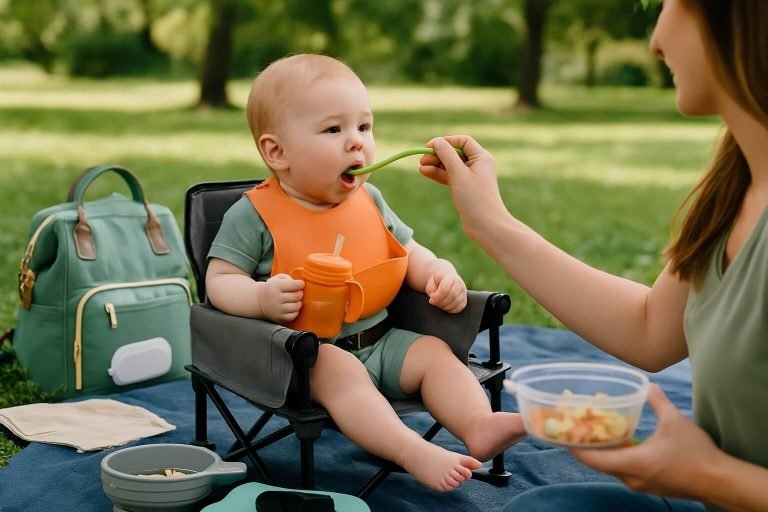
Bringing a new baby into the world is an exciting journey filled with countless firsts – and one of the most anticipated is the introduction of solid foods! As your little one embarks on this delicious adventure, choosing the right tools is crucial. And when it comes to baby feeding, not all spoons are created equal. You might be wondering, “What spoons are safe for baby feeding?” This comprehensive guide will walk you through everything you need to know to make informed decisions for your baby’s health and happiness.
Why Spoon Safety Matters for Your Baby
It might seem like a small detail, but the spoon you choose for your baby plays a significant role in their feeding experience and overall safety. Here’s why:
- Gum and Teeth Protection: Your baby’s gums are incredibly delicate, and their first teeth are just starting to emerge or are still developing. A harsh or rigid spoon can cause discomfort, bruising, or even damage.
- Preventing Choking Hazards: Spoons that are too large, have sharp edges, or are made from brittle materials can pose a choking risk if a piece breaks off or if your baby tries to mouth the entire spoon.
- Chemical Leaching: Some materials can leach harmful chemicals, like BPA, phthalates, or lead, into your baby’s food, which can have long-term health implications.
- Comfort and Acceptance: A comfortable spoon makes feeding a more positive experience for your baby, encouraging them to accept solids more readily.
- Developing Self-Feeding Skills: As your baby grows, the right spoon can help them develop their fine motor skills and hand-eye coordination, paving the way for independent feeding.
Key Considerations When Choosing a Baby Spoon
When you’re standing in the baby aisle, overwhelmed by the choices, keep these crucial factors in mind:
1. Material Matters: What’s Safest for Your Little One?
The material of the spoon is paramount. Prioritize options that are food-grade, non-toxic, and free from harmful chemicals.
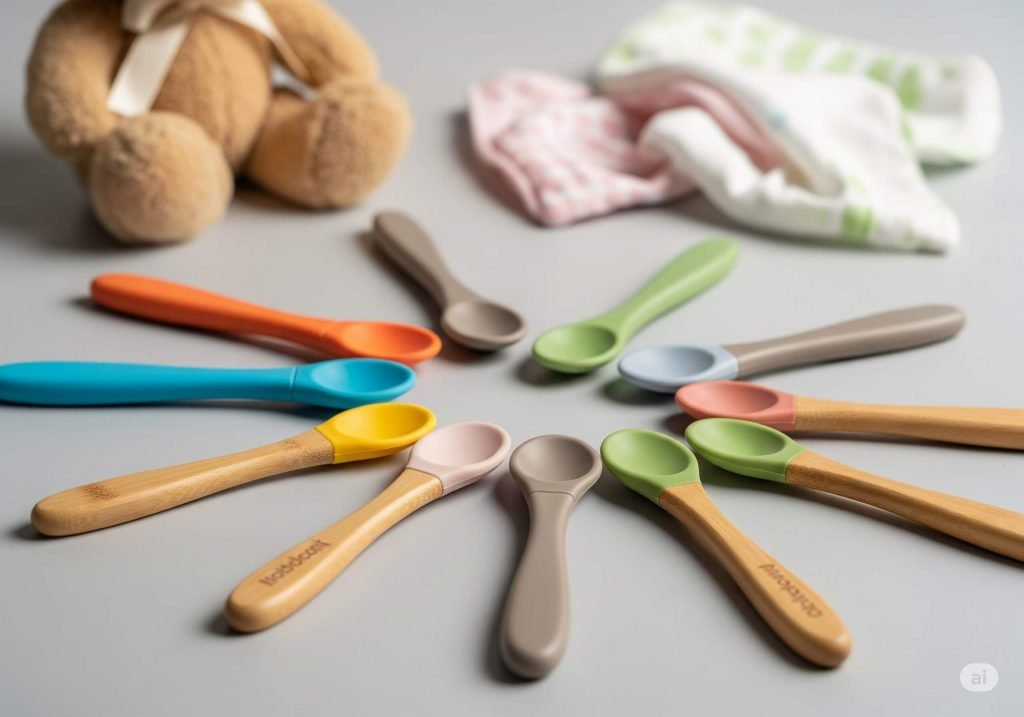
- Silicone: This is often the top recommendation for baby spoons. Food-grade silicone is soft, flexible, and gentle on delicate gums. It’s naturally free of BPA, phthalates, and lead. Silicone spoons are also durable, easy to clean, and can withstand high temperatures for sterilization. Look for 100% food-grade silicone.
- Soft-Tip Plastic: Many baby spoons feature a plastic handle with a soft, silicone, or TPE (thermoplastic elastomer) tip. While the tip is safe, ensure the plastic handle itself is BPA-free, PVC-free, and phthalate-free. Always check for clear labeling. These spoons are generally lightweight and affordable.
- Bamboo: An eco-friendly and natural option, bamboo spoons are becoming increasingly popular. They are lightweight, durable, and naturally antimicrobial. When choosing bamboo, ensure it’s food-grade, sustainably sourced, and not treated with harmful chemicals or lacquers. Look for spoons with a silicone tip for added gum protection.
- Stainless Steel (with Silicone Tip): While stainless steel itself is a safe and durable material, a full stainless steel spoon is too hard for an infant’s delicate gums. However, some brands offer stainless steel handles with soft silicone tips, combining the best of both worlds – durability and gentleness. Ensure the silicone tip is securely attached and food-grade.
- Avoid:
- Hard Plastic: Avoid spoons made entirely of hard plastic, especially if they don’t explicitly state “BPA-free.” They can be too rigid for gums and may splinter over time.
- Metal (Full Spoon): Regular metal spoons, like those you use, are too hard and can easily injure your baby’s gums or developing teeth.
- Wood (Untreated/Non-Food Grade): While some wooden spoons are safe, ensure they are specifically designed for babies, food-grade, and free from splinters or chemical treatments.
2. Size and Shape: Designed for Tiny Mouths
The spoon’s design should be appropriate for your baby’s small mouth and developing feeding skills.
- Small, Shallow Bowl: Look for spoons with a small, shallow bowl that holds just the right amount of food for a baby-sized bite. This prevents overloading and makes it easier for your baby to clear the spoon.
- Ergonomic Handle: While you’ll be doing most of the feeding initially, an ergonomic handle that’s comfortable for you to hold is a plus. As your baby grows, consider spoons with thicker, easy-to-grip handles to encourage self-feeding.
- Soft, Rounded Edges: Every part of the spoon that might come into contact with your baby’s mouth should be smooth and rounded, with no sharp edges.
3. Durability and Easy Cleaning
Babies are messy, and their feeding tools need to withstand frequent washing and potential drops.
- Dishwasher Safe: Most silicone and soft-tip plastic spoons are dishwasher safe, making cleanup a breeze.
- Boil/Steam Safe: For initial sterilization, ensure the spoon can withstand boiling water or steam sterilization without deforming or leaching chemicals.
- Sturdy Construction: Choose spoons that feel well-made and durable, designed to last through months of feeding.
4. Color and Design: Fun and Engaging
While not directly related to safety, vibrant colors and appealing designs can make feeding time more engaging and enjoyable for your baby. Just ensure the dyes used are food-safe.
When to Introduce a Baby Spoon
The American Academy of Pediatrics (AAP) recommends introducing solid foods around 6 months of age, when your baby shows signs of readiness, such as:
- Good head and neck control
- Sitting upright with support
- Showing interest in food (leaning forward, opening mouth)
- Loss of the tongue-thrust reflex (no longer pushing food out with their tongue)
Start with a few small bites of single-grain, iron-fortified baby cereal mixed with breast milk or formula, or pureed fruits and vegetables.
Tips for Successful Spoon Feeding
- Patience is Key: Your baby is learning a new skill. There will be messes, and they might not eat much at first. Be patient and follow their cues.
- Follow Your Baby’s Lead: Don’t force-feed. If your baby turns their head away or closes their mouth, they’re signaling they’re full or not interested right now.
- Create a Positive Environment: Make feeding time a calm and enjoyable experience. Sit your baby upright and talk to them encouragingly.
- Model Good Behavior: Let your baby see you eating with a spoon. As they get older, give them their own spoon to hold and explore.
- Supervise Always: Never leave your baby unattended during feeding.
Signs of an Unsafe Spoon
- Cracks or Chips: Discard any spoon with cracks, chips, or rough edges, as these can harbor bacteria or cause injury.
- Strong Chemical Smell: If a new spoon has a strong, chemical odor, it might indicate the presence of harmful substances.
- Flimsy or Easily Bendable: A spoon that feels flimsy or easily bends might not be durable and could break during feeding.
- BPA/Phthalate/Lead Warnings (or lack of “Free” labels): If the packaging doesn’t explicitly state “BPA-free,” “phthalate-free,” and “lead-free,” it’s best to err on the side of caution and choose another option.
Making the Right Choice for Your Little One
Choosing the safest spoon for your baby is a simple yet impactful decision that contributes to a positive and healthy feeding journey. By prioritizing soft, food-grade materials, appropriate sizing, and easy-to-clean designs, you’re setting your baby up for success as they explore the exciting world of solid foods. Remember, when in doubt, opt for renowned brands that clearly state their product’s safety standards and materials. Happy feeding!
Frequently Asked Questions (FAQs)
Q1: What material is best for baby spoons?
A1: The best material for baby spoons is food-grade silicone due to its softness, flexibility, non-toxic properties, and gentleness on baby’s delicate gums. Soft-tip plastic spoons (BPA-free) and bamboo spoons with silicone tips are also excellent safe choices.
Q2: When should I start using a spoon for my baby?
A2: You can start introducing a spoon to your baby around 6 months of age, or when they show signs of readiness for solid foods, such as good head control, sitting upright with support, and showing interest in food.
Q3: Are regular metal spoons safe for babies?
A3: No, regular metal spoons are generally not safe for babies. Their hard and rigid nature can injure a baby’s delicate gums and developing teeth. Always opt for baby-specific spoons made from soft materials like silicone or those with soft tips.
Q4: How do I clean baby spoons?
A4: Most baby spoons made of silicone or soft-tip plastic are dishwasher safe. You can also wash them by hand with warm, soapy water. For initial sterilization, many can be boiled or steam-sterilized. Always check the manufacturer’s cleaning instructions.
Q5: What should I avoid when buying a baby spoon?
A5: When buying a baby spoon, avoid hard plastic spoons without “BPA-free” labels, full metal spoons, spoons with sharp edges, and any spoon that appears flimsy or has cracks. Prioritize spoons that explicitly state they are free from BPA, phthalates, and lead.