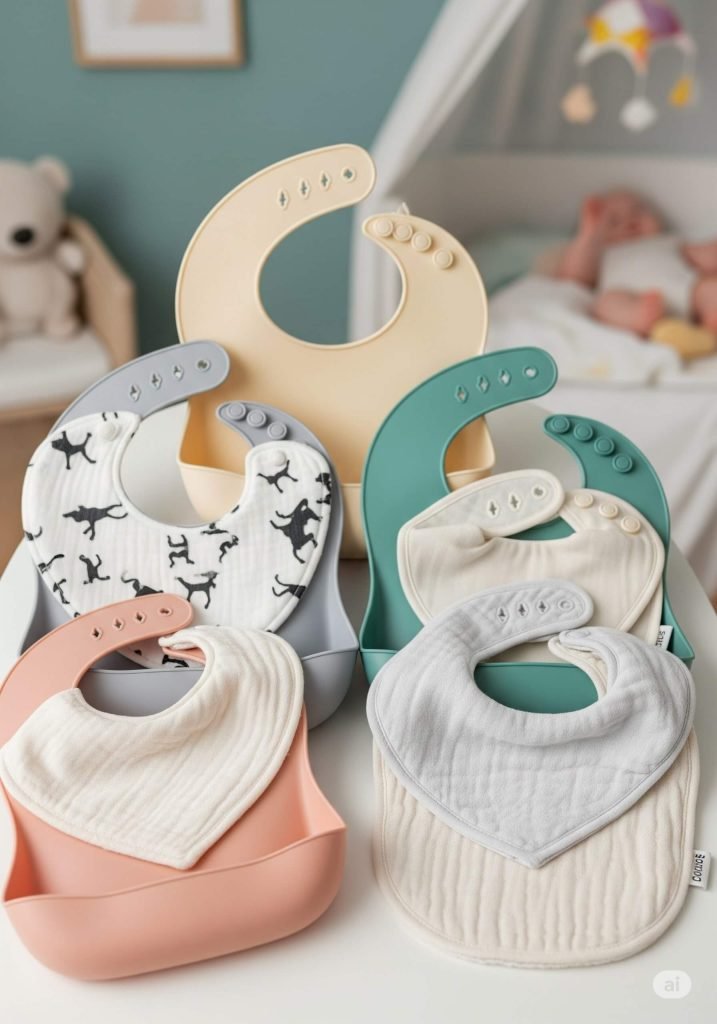
As a parent, you quickly learn that baby bibs are not just an accessory; they are an absolute necessity. From the constant drool of teething to the messy adventures of solid food introduction, the right bib can save countless outfits, reduce laundry loads, and keep your little one comfortable. But with so many options on the market, how do you choose a baby bib material that actually works?
This comprehensive guide will break down the most effective baby bib materials, highlighting their pros and cons, so you can make informed decisions and conquer the chaos of babyhood with confidence.
The Two Main Bib Categories: Absorbency vs. Waterproofing
Before diving into specific materials, it’s essential to understand that bibs generally serve one of two primary purposes:
- Absorbent Bibs (Drool Bibs/Teething Bibs): These are designed to soak up saliva, spit-up, and small spills, keeping your baby’s delicate skin and clothes dry throughout the day, especially during teething.
- Waterproof Bibs (Feeding Bibs): These prioritize protection against larger food messes and liquids, making cleanup a breeze during mealtimes.
Many bibs offer a combination of these features, but knowing the main function will help guide your material choice.
Top Baby Bib Materials That Actually Work:
Let’s explore the materials that consistently deliver on their promises:
1. Cotton (Including Organic Cotton, Terry Cloth, and Muslin)
Cotton in its various forms is a perennial favorite for baby bibs, and for good reason.
- 100% Cotton (Standard & Organic):
- Pros: Soft, breathable, absorbent, gentle on sensitive skin, and widely available in a vast array of colors and patterns. Organic cotton goes a step further by being free from harmful chemicals, making it ideal for babies with allergies or eczema. It’s also durable and holds up well to frequent washing.
- Cons: While absorbent, a single layer can become saturated quickly with heavy drooling or large spills, potentially soaking through to clothes. May wrinkle.
- Best for: Everyday drool, light spit-up, and general protection. Organic cotton is excellent for newborns and babies with sensitive skin.
- Terry Cloth:
- Pros: This looped cotton fabric is incredibly absorbent, acting like a mini-towel. It’s soft, durable, and excellent for tackling moderate to heavy drooling and small mealtime spills. It’s low maintenance and doesn’t usually require ironing.
- Cons: Can be bulkier than other cotton types. Loops can snag on Velcro if not carefully managed during washing.
- Best for: Heavy droolers, teething babies, and early feeding stages where spills are common but not excessive.
- Muslin:
- Pros: Known for its exceptional softness that increases with every wash, muslin is highly breathable and absorbent. Its lightweight nature makes it comfortable for babies, especially in warmer climates. Muslin bibs are often stylish and versatile, sometimes doubling as burp cloths.
- Cons: Can be less durable than terry cloth for very aggressive chewers or extremely messy eaters. May not offer as much waterproof protection as other materials.
- Best for: Gentle drooling, everyday wear, and babies who benefit from breathable fabrics.
2. Silicone
A game-changer for messy mealtimes, silicone bibs have become a staple for many parents.
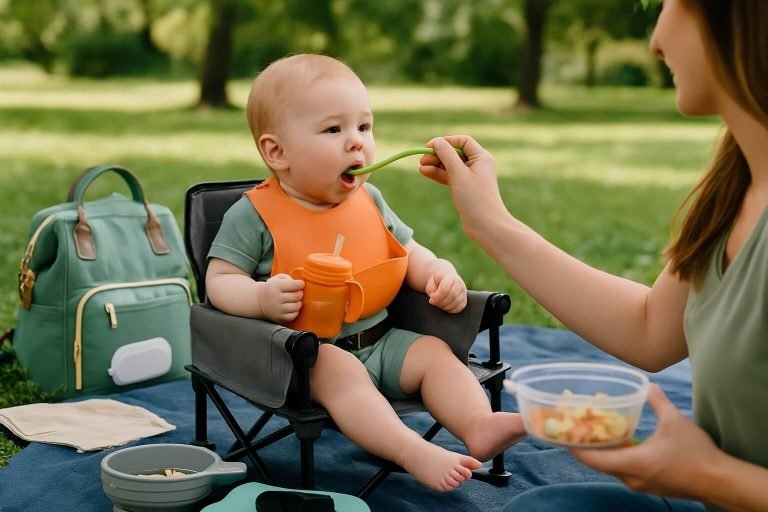
- Pros: Waterproof and stain-resistant, making cleanup incredibly easy (simply wipe clean or rinse). Often feature a built-in “food catcher” pocket at the bottom, a lifesaver for catching dropped food and liquids. Durable, long-lasting, and often dishwasher-safe. BPA-free and food-grade silicone ensures safety.
- Cons: Can be stiffer and bulkier than fabric bibs, which some babies might find less comfortable. Not ideal for all-day wear as they don’t absorb drool.
- Best for: Self-feeding, messy purees, baby-led weaning, and any mealtime where significant spills are expected.
3. PUL (Polyurethane Laminate) Fabric
PUL fabric is a secret weapon for serious protection. It’s a polyester fabric laminated with a thin, waterproof layer of polyurethane.
- Pros: Completely waterproof and durable. Lightweight and relatively breathable, allowing for comfort while providing excellent liquid barrier. Easy to wipe clean and can withstand frequent washing. Often used as a backing for other absorbent fabrics (e.g., cotton front, PUL back).
- Cons: Can feel slightly “plasticky” if the laminated side is directly against the skin (though usually, the fabric side faces the baby). Less absorbent on its own, designed to repel rather than soak up.
- Best for: Bibs requiring a strong waterproof barrier, such as long-sleeved smock bibs for art projects or extremely messy mealtimes.
4. Bamboo
Bamboo fabric is gaining popularity for its impressive qualities.
- Pros: Incredibly soft and smooth, often compared to silk. Highly absorbent, even more so than cotton, and excellent at wicking away moisture, keeping baby dry and comfortable. Naturally hypoallergenic and antibacterial, making it a great choice for sensitive skin. Breathable and thermoregulating (helps keep baby cool in warm weather and warm in cool weather). Sustainable and eco-friendly.
- Cons: Can be more expensive than cotton bibs. May show slight pilling after initial use (though this doesn’t affect durability or softness).
- Best for: Drooling, sensitive skin, and parents seeking an eco-conscious and luxurious option.
Key Factors to Consider When Choosing Bib Materials:
- Purpose: Drooling vs. Feeding.
- Absorbency: How much liquid does it need to handle?
- Waterproof Capability: Is a liquid barrier essential?
- Comfort: Is the material soft and non-irritating to your baby’s skin?
- Ease of Cleaning: Can it be easily wiped, machine washed, or tossed in the dishwasher?
- Durability: Will it withstand frequent use and washing?
- Safety: Is it BPA-free, non-toxic, and free from harmful chemicals?
- Fastening: Snaps, Velcro, or ties? Snaps are often preferred for security and preventing skin irritation.
By understanding the strengths of each material, you can build a collection of bibs that truly “work” for every messy moment in your baby’s journey, making parenting a little bit cleaner and a lot more enjoyable.
FAQ
Q1: What is the most absorbent material for baby bibs? A1: For maximum absorbency, terry cloth and bamboo are excellent choices, followed closely by multi-layered cotton bibs. These materials are designed to soak up drool and spit-up effectively.
Q2: Which bib material is best for messy eaters and baby-led weaning? A2: Silicone bibs are hands-down the best for messy eaters and baby-led weaning due to their waterproof nature, easy wipe-clean surface, and built-in food-catching pockets. For full coverage, PUL fabric smock bibs are also highly effective.
Q3: Are organic cotton bibs truly better for babies? A3: Yes, organic cotton bibs are generally better for babies, especially those with sensitive skin or allergies. They are grown without harmful pesticides and chemicals, making them softer, more natural, and less likely to cause irritation.
Q4: How many bibs do I actually need? A4: The number of bibs you need depends on your baby’s drooling and eating habits, as well as how often you do laundry. For newborns and heavy droolers, 7-10 absorbent bibs might be a good starting point. For feeding, 2-4 silicone bibs can suffice as they are easily wiped clean after each use.
Q5: Can I use the same bib for drooling and feeding? A5: While some multi-purpose bibs exist, it’s generally recommended to have separate bibs for drooling and feeding. Absorbent fabric bibs are great for daily drool, while waterproof silicone or PUL bibs are more practical for the extensive messes of mealtimes, making cleanup much simpler.