
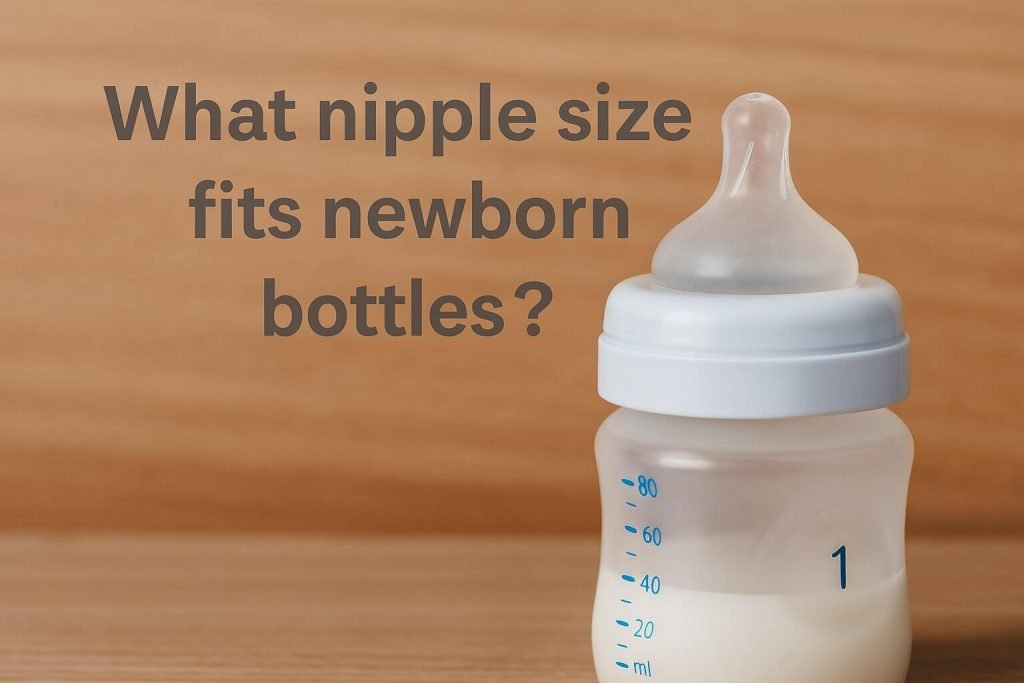
Bringing a newborn home is an exciting, yet often overwhelming, experience. Among the myriad of decisions, choosing the right feeding supplies can feel particularly daunting. One question that frequently arises for bottle-feeding parents is: “What nipple size fits newborn bottles?” The answer isn’t always straightforward, as it depends on several factors unique to your baby.
Why Nipple Size Matters for Newborns
The nipple size and flow rate are critical for a newborn’s feeding experience. An incorrect nipple size can lead to:
- Too fast a flow: This can overwhelm your baby, causing choking, gagging, excessive gas, and discomfort. It can also lead to gulping, which means they might not feel full even after consuming enough milk.
- Too slow a flow: A flow that’s too slow can frustrate your baby, making feeding a lengthy and tiring process. They might give up before finishing their meal, leading to inadequate intake and potential weight gain issues.
- Poor latch: The wrong nipple can make it difficult for your baby to achieve a proper latch, leading to air intake and digestive issues.
- Nipple confusion: If you are combination feeding (breast and bottle), an incorrect bottle nipple flow can interfere with your baby’s ability to switch between breast and bottle, potentially impacting breastfeeding success.
Understanding Nipple Flow Rates
Nipple flow rates are typically categorized by stages or sizes, often ranging from “slow” or “newborn” to “fast.” Here’s a general breakdown:
- Newborn/Slow Flow (0-3 months): This is the most common starting point for newborns. These nipples have the smallest hole(s) to mimic the slow, controlled flow of breast milk. They are designed for babies who are still developing their sucking and swallowing reflexes.
- Slow Flow (1-3 months): Some brands differentiate between “newborn” and “slow flow,” with slow flow being slightly faster than newborn but still very gentle.
- Medium Flow (3-6 months): As your baby grows and their feeding skills improve, they may be ready for a medium flow.
- Fast Flow (6+ months): For older babies who can handle a quicker flow.
- Y-Cut/Variable Flow: These nipples often have a Y-shaped cut that allows the flow to adjust based on how hard your baby sucks. They are often used for thicker liquids like formula with added rice cereal (consult your pediatrician before adding anything to formula).
Important Note: The age ranges provided by manufacturers are guidelines, not strict rules. Every baby is unique.
How to Tell if the Nipple Size is Right for Your Newborn
Observing your baby during feeding is the best way to determine if the nipple size is appropriate. Look for these signs:
Signs the Nipple Flow is TOO SLOW:
- Frustration: Your baby fusses, cries, or pulls away from the bottle.
- Extended feeding times: Feedings take longer than 20-30 minutes, and your baby seems to be working very hard.
- Falling asleep at the bottle: They may tire out before finishing their feed.
- Lack of satisfaction: Your baby still seems hungry even after a full feeding, or isn’t gaining weight adequately.
- Chewing on the nipple: This can indicate they are trying to increase the flow.
Signs the Nipple Flow is TOO FAST:
- Choking or gagging: Your baby struggles to keep up with the flow.
- Spitting up excessively: They may be taking in too much milk too quickly.
- Gulping and noisy feeding: You hear a lot of gulping sounds, indicating they are swallowing a lot of air.
- Milk leaking from the corners of their mouth: This is a clear sign the flow is overwhelming.
- Refusing the bottle: They might push the bottle away or clamp their mouth shut.
- Excessive gas or fussiness after feeding: Due to swallowing too much air.
Signs the Nipple Flow is JUST RIGHT:
- Consistent, rhythmic sucking and swallowing: Your baby feeds calmly and steadily.
- Minimal milk leakage: Only a small amount of dribble, if any.
- Contentment during and after feeding: Your baby appears satisfied and comfortable.
- Feedings last a reasonable amount of time: Typically 15-20 minutes for newborns.
- Appropriate weight gain: Your baby is thriving and meeting growth milestones.
Tips for Choosing and Testing Nipple Sizes
- Start with Newborn/Slow Flow: For almost all newborns, starting with the slowest flow available is the safest bet.
- Observe Your Baby Closely: Pay attention to their cues during feeding. They will tell you if the flow is too fast or too slow.
- Don’t Rush to Size Up: There’s no need to change nipple sizes just because your baby hits a certain age. If the current size is working well, stick with it.
- Consider Bottle Brand Consistency: While “newborn” generally means the slowest flow, there can be slight variations between brands. If you’re switching bottle brands, you might need to re-evaluate the nipple size.
- Test with Water or Breast Milk/Formula: Before giving a full feed, you can test the flow by inverting the bottle. For slow flow, you should see individual drops rather than a steady stream.
- Consult Your Pediatrician: If you’re unsure or your baby is experiencing significant feeding difficulties, always consult your pediatrician. They can provide personalized advice based on your baby’s specific needs.
- Combination Feeding Considerations: If you are breastfeeding and bottle-feeding, many lactation consultants recommend using a “preemie” or “extra slow flow” nipple for bottle feeding. This encourages your baby to work harder for the milk, mimicking the effort required at the breast, and can help prevent nipple confusion. Look for nipples that have a wider base and a slower flow to promote a good latch.
Nipple Material and Shape
Beyond flow rate, nipple material and shape also play a role in your baby’s comfort and latch:
- Silicone: The most common material, durable, easy to clean, and typically clear.
- Latex: Softer and more flexible than silicone, but less durable and can cause allergic reactions in some babies.
- Nipple Shape:
- Traditional/Bell-shaped: Tapered shape, common and widely available.
- Wide-Neck/Breast-shaped: Designed to mimic the shape of a breast, often preferred for babies who are combination fed.
- Orthodontic: Flat on one side and rounded on the other, designed to support natural oral development.
- Anti-colic/Vented: Feature special vents to reduce air intake, which can help with gas and fussiness.
When to Consider Sizing Up
You might consider moving to a faster flow nipple if your baby consistently shows signs of frustration with a slow flow, such as:
- Taking a very long time to feed (over 30 minutes).
- Falling asleep during feedings without finishing.
- Appearing frustrated and pulling away from the bottle.
- Consistently gnawing or biting on the nipple.
Remember to size up gradually and always observe your baby’s reaction to the new flow.
Conclusion
Choosing the right nipple size for your newborn’s bottle is a dynamic process that requires careful observation and responsiveness to your baby’s cues. Starting with a slow or newborn flow is generally recommended, and then adjusting as your baby grows and develops. By paying close attention to their feeding behavior, you can ensure a comfortable, satisfying, and nourishing feeding experience for your little one, helping them thrive during these crucial early months.
FAQ: What Nipple Size Fits Newborn Bottles?
Meta Description: Discover everything about choosing the right nipple size for newborn bottles. Learn how to tell if the flow is too fast or too slow, and ensure comfortable, happy feedings for your baby.
1. What is the best nipple size for a newborn bottle? For most newborns, the “newborn” or “slow flow” nipple size is recommended. These nipples have the smallest hole(s) to mimic the slow, controlled flow of breast milk, preventing your baby from being overwhelmed.
2. How do I know if the nipple flow is too fast for my newborn? Signs of a nipple flow that’s too fast include your baby choking, gagging, gulping, milk leaking from their mouth, excessive spitting up, or refusing the bottle. They might also appear uncomfortable or have excessive gas after feeding.
3. How do I know if the nipple flow is too slow for my newborn? If the nipple flow is too slow, your baby might become frustrated, cry, pull away from the bottle, take a very long time to feed (over 20-30 minutes), fall asleep during feedings, or seem unsatisfied. They might also chew on the nipple to try and get more milk out.
4. When should I size up my baby’s bottle nipple? You should consider sizing up when your baby consistently shows signs of frustration with the current flow, such as taking too long to feed, falling asleep during feedings, or actively trying to get more milk out. Always observe your baby’s cues rather than relying solely on age recommendations.
5. Does nipple size matter for combination feeding (breast and bottle)? Yes, nipple size is especially important for combination feeding. Many lactation consultants recommend using an “extra slow flow” or “preemie” nipple for bottle feeding. This encourages your baby to work harder for the milk, similar to breastfeeding, which can help prevent nipple confusion and support your breastfeeding journey.