
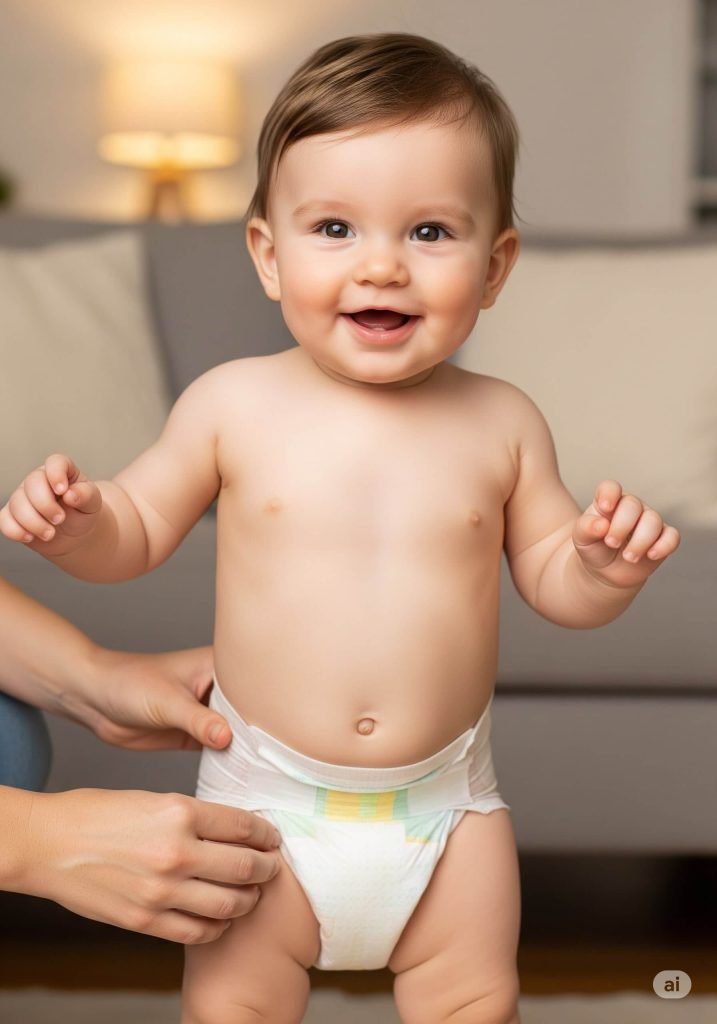
As a parent, you want nothing but the best for your little one, and that certainly includes keeping them comfortable, dry, and happy. One of the most common challenges new parents face is figuring out the ever-evolving world of diaper sizes. An ill-fitting diaper can lead to frustrating leaks, uncomfortable red marks, and even skin irritation. But fear not! This comprehensive guide will equip you with all the knowledge you need to confidently choose the right diaper size for your baby, ensuring optimal comfort and protection.
Why Diaper Size Matters More Than You Think
It might seem like a minor detail, but the correct diaper size plays a crucial role in your baby’s well-being. Here’s why:
- Leak Prevention: The most immediate and noticeable benefit of a well-fitting diaper is superior leak protection. Gaps around the legs or waist, or a diaper that’s too small and quickly oversaturated, are prime culprits for messy blowouts and leaks.
- Comfort and Mobility: Imagine wearing clothes that are too tight or too loose – uncomfortable, right? The same applies to your baby. A properly sized diaper allows for unrestricted movement, essential for their physical development and exploration. No red marks, no chafing, just happy wiggles!
- Skin Health: A diaper that’s too tight can rub and chafe, leading to painful red marks and even diaper rash. Conversely, a loose diaper allows moisture to stay against the skin, also increasing the risk of irritation. A snug but not restrictive fit helps keep delicate skin dry and healthy.
- Absorption Efficiency: Diapers are designed with absorbent materials distributed strategically. If the fit is off, these absorbent zones won’t align correctly with your baby’s body, reducing the diaper’s overall effectiveness.
The Golden Rule: Baby’s Weight is Key
While age can offer a rough estimate, the most accurate indicator for diaper size is your baby’s weight. Every diaper brand provides a weight range on its packaging. This is your primary guide.
General Diaper Size Chart by Weight (Approximate):
Important Note: This chart is a general guideline. Babies grow at their own pace and have different body shapes. A lean, long baby might fit into a smaller size than a chubbier baby of the same weight. Always prioritize how the diaper fits your individual child.
Beyond the Scale: Signs It’s Time to Size Up
Even if your baby is within the recommended weight range for their current diaper size, subtle clues often signal that it’s time to move up. Pay close attention to these tell-tale signs:
- Frequent Leaks or Blowouts: This is perhaps the most common and frustrating sign. If you’re constantly dealing with urine leaks or “blowouts” (poop escaping from the diaper), especially up the back or out the leg cuffs, your diaper is likely too small or lacks sufficient absorbency for your baby’s output.
- Red Marks on Skin: Check for red marks, indentations, or chafing around your baby’s waist or thighs after removing the diaper. These are clear indicators that the diaper is too tight and putting pressure on their delicate skin.
- Diaper Tabs Don’t Meet Easily: When fastening the diaper, the tabs should reach comfortably towards the center of your baby’s waist without excessive pulling or tugging. If the tabs are straining to meet, or they sit far apart on the waistband, the diaper is too small.
- Low Rise/Belly Spillage: A properly fitting diaper should sit just below your baby’s belly button (or umbilical stump for newborns). If it’s riding low, exposing their belly, or causing a “muffin top” effect, it’s definitely time to size up.
- Bottom Not Fully Covered: Ensure the diaper completely covers your baby’s bottom. If you see their bum cheeks peeking out, the diaper is too small in the rise.
- Bulky and Saturated Quickly: If the diaper feels excessively bulky or gets saturated very quickly after a relatively small output, it’s not providing enough absorbency for your growing baby. A larger size often means more absorbent material.
- Restricted Movement: If your baby seems uncomfortable, fussy, or has difficulty moving freely due due to the diaper’s fit, it’s likely too restrictive. They should be able to kick, crawl, and play without resistance from their diaper.
Tips for Finding the “Just Right” Fit
- The Two-Finger Rule: After fastening the diaper, you should be able to comfortably slide two fingers underneath the waistband around your baby’s tummy. The same applies to the leg cuffs – they should be snug but not tight.
- Check the Leg Ruffles: Ensure the leg ruffles are pulled out and not tucked in. These ruffles are designed to create a barrier against leaks around the thighs.
- Consider Body Shape: As mentioned, a baby’s build matters. If your baby is long and lean, they might stay in a size longer than a shorter, chubbier baby of the same weight. Don’t be afraid to try different brands, as sizing can vary slightly between manufacturers.
- Trial and Error: Diapering is often a journey of trial and error. Don’t buy large quantities of one size until you’re certain it’s the right fit. Start with a smaller pack, especially when you suspect a size change is imminent.
- Overnight Diapers: For extra protection during long stretches of sleep, consider sizing up for overnight diapers. These often have enhanced absorbency.
- Diaper Pants/Pull-Ups: As your baby becomes more active and starts crawling or walking, or when potty training begins, diaper pants (pull-ups) can be a convenient option. Ensure they fit snugly around the waist and legs, just like tape-style diapers.
What About Disposable vs. Cloth Diapers?
While the principles of fit (snug but not tight, no red marks, good coverage) remain the same, sizing can differ:
- Disposable Diapers: Come in distinct, often overlapping, weight-based sizes. This guide primarily focuses on disposable diaper sizing.
- Cloth Diapers: Many cloth diaper systems offer “one-size” options that adjust with snaps or Velcro to fit from newborn to toddler. However, some brands also offer sized cloth diapers for a more tailored fit, especially for newborns. Always refer to the specific brand’s sizing recommendations for cloth diapers.
Don’t Hesitate to Consult
If you’re still unsure about diaper sizing or if your baby is experiencing persistent diaper issues, don’t hesitate to consult your pediatrician. They can offer personalized advice based on your baby’s unique needs and health.
Choosing the right diaper size is an ongoing process as your baby grows and develops. By understanding the key indicators, paying attention to your baby’s comfort, and knowing when to size up, you’ll be well on your way to a leak-free, happy diapering experience for both you and your little one.
Frequently Asked Questions (FAQs)
What are the main signs my baby’s diaper is too small?
Meta Description: Discover key indicators like red marks, frequent leaks, and difficulty fastening tabs that signal your baby needs a larger diaper size for optimal comfort and protection.
Answer: The most common signs your baby’s diaper is too small include: red marks or indentations on their waist or thighs, frequent leaks or blowouts (especially up the back), difficulty fastening the diaper tabs securely, the diaper riding low on their belly (creating a “muffin top”), and their bottom not being fully covered.
Can a diaper be too big for my baby?
Meta Description: Learn how a diaper that’s too large can lead to gaps, leaks, and discomfort, even if your baby is within the suggested weight range.
Answer: Yes, a diaper can definitely be too big! While less common than a diaper being too small, an oversized diaper can lead to gaps around the legs and waist, causing leaks. It might also bunch up uncomfortably, especially between the legs, affecting your baby’s mobility and comfort. You might also notice the tabs overlapping excessively when fastened.
How often should I check my baby’s diaper size?
Meta Description: Understand the importance of regularly assessing your baby’s diaper fit, especially during growth spurts, to prevent discomfort and leaks.
Answer: It’s a good idea to assess your baby’s diaper fit regularly, perhaps weekly, as they grow quickly, especially in their first year. Pay extra attention during growth spurts or if you notice any of the “too small” signs. Every baby is different, so continuous observation is key.