
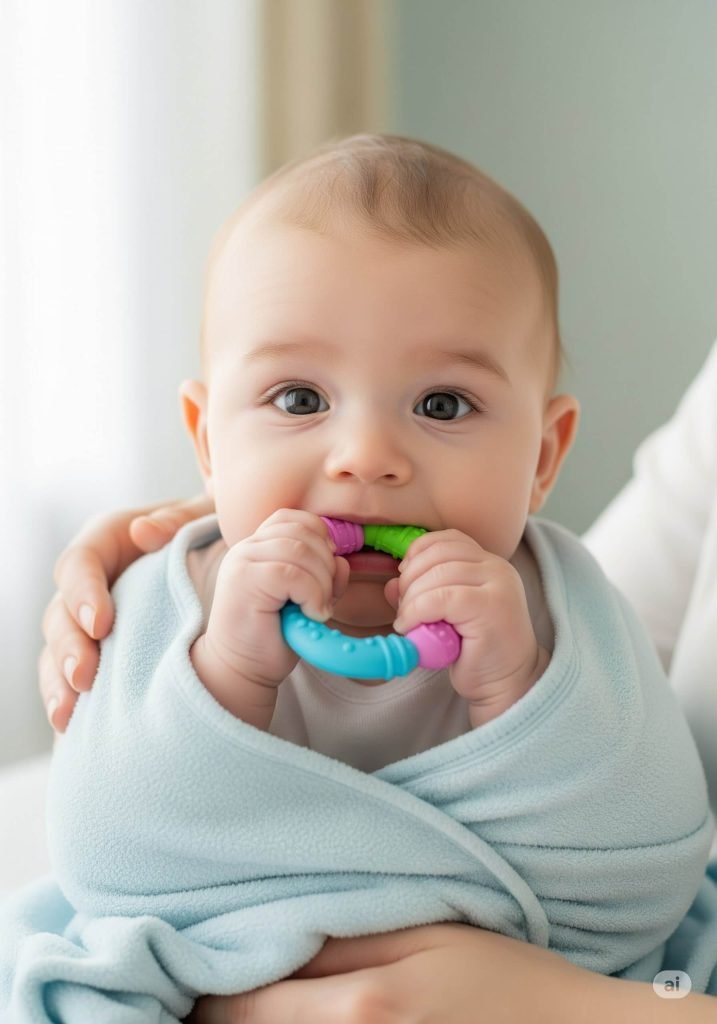
Teething is a significant milestone in your baby’s development, marking the emergence of their first tiny teeth. While exciting, this process often comes with discomfort, irritability, and sleeplessness for your little one. As a parent, witnessing your baby in pain can be distressing. The good news is that there are many safe and effective ways to help ease their teething pain and make this transition as comfortable as possible for everyone.
Understanding Baby Teething: The Basics
Before diving into solutions, let’s understand what’s happening. Teething typically begins around 4 to 7 months of age, though it can start earlier or later. The first teeth to appear are usually the bottom front incisors, followed by the top front incisors. By the age of three, most children will have all 20 primary teeth.
Common Signs of Teething:
- Increased drooling: Your baby might be drooling more than usual, leading to rashes around their mouth.
- Irritability and fussiness: Unexplained crying and difficulty settling down are common.
- Swollen, red gums: You might notice the gums where a tooth is about to emerge looking inflamed.
- Chewing on everything: Babies will try to relieve pressure by gnawing on their fingers, toys, or anything they can get their hands on.
- Slight fever: A low-grade fever (under 101°F or 38.3°C) can sometimes accompany teething. If the fever is higher, it’s likely due to something else and you should consult your pediatrician.
- Changes in sleep patterns: Discomfort can disrupt their usual sleep routine.
- Reduced appetite: Some babies might refuse food or show less interest in nursing.
- Rubbing ears or cheeks: This can be a referred pain from the gums.
It’s important to remember that every baby is different, and they may experience a combination of these symptoms or just a few.
Effective Strategies to Soothe Teething Pain
Here are some tried and tested methods to help alleviate your baby’s teething discomfort:
1. Cold Comfort: Nature’s Anesthetic
Cold provides a numbing sensation that can be incredibly effective.
- Chilled Teething Rings: Keep a few teething rings in the refrigerator (not the freezer, as they can become too hard and damage gums). The coolness helps to reduce inflammation and soothe sore gums.
- Frozen Washcloths: Dampen a clean washcloth, wring out excess water, and freeze it for 30 minutes. Your baby can chew on the cold, textured cloth. Always supervise to prevent choking hazards.
- Cold Foods (for older babies): For babies who have started solids, offering chilled fruit purees (like apple or banana), yogurt, or even cold cucumber sticks (under strict supervision to prevent choking) can provide relief.
2. Pressure and Massage: Gentle Relief
Applying gentle pressure to the gums can help counteract the pressure from the emerging tooth.
- Gum Massage: Wash your hands thoroughly and gently rub your baby’s gums with your finger. This can provide a comforting counter-pressure.
- Teething Toys: Offer safe, BPA-free teething toys designed for chewing. Look for various textures and shapes that your baby can easily grasp and gnaw on.
- Hard, Unsweetened Biscuits/Crackers (for older babies): Once your baby is eating solids, hard, unsweetened teething biscuits can provide something to gnaw on. Always supervise closely.
3. Over-the-Counter Pain Relief: When Other Methods Aren’t Enough
If your baby is particularly distressed and other methods aren’t providing sufficient relief, consult your pediatrician about over-the-counter pain relievers.
- Infant Acetaminophen (Tylenol): This can be effective for reducing pain and fever. Always follow the dosage instructions precisely based on your baby’s weight and age.
- Infant Ibuprofen (Advil, Motrin): This can also help with pain and inflammation, but it’s typically recommended for babies 6 months and older. Again, strict adherence to dosage is crucial.
Important Note: Avoid topical teething gels containing benzocaine, as they are not recommended for infants due to potential serious side effects. Also, steer clear of homeopathic teething tablets, as their safety and efficacy are questionable.
4. Comfort and Distraction: The Power of Parental Love
Sometimes, the best remedy is simply your presence and attention.
- Cuddles and Comfort: Extra snuggles, gentle rocking, and comforting words can go a long way in calming a distressed baby.
- Distraction: Engage your baby in playful activities. A change of scenery, a new toy, or a funny face can sometimes divert their attention from the pain.
- Maintain Routine (as much as possible): While teething can disrupt sleep, try to maintain your baby’s regular sleep and feeding routines as much as possible. Consistency provides a sense of security.
5. Oral Hygiene: A Crucial Step
Even before teeth fully emerge, it’s essential to start good oral hygiene practices.
- Wipe Gums: Before teeth appear, gently wipe your baby’s gums with a clean, damp cloth or a soft infant toothbrush twice a day. This helps remove bacteria and gets them accustomed to oral care.
- Brush First Teeth: Once the first tooth erupts, start brushing twice a day with a tiny smear of fluoride toothpaste (the size of a grain of rice) and a soft-bristled infant toothbrush.
When to Consult Your Pediatrician
While teething is a normal process, it’s always wise to consult your pediatrician if:
- Your baby has a high fever (over 101°F or 38.3°C).
- They are experiencing severe diarrhea or vomiting.
- Their gums are excessively swollen, red, or bleeding.
- You are concerned about their overall well-being.
- You suspect their symptoms are due to something other than teething.
Conclusion
Teething can be a challenging phase, but with patience, understanding, and the right strategies, you can significantly ease your baby’s discomfort. Remember to observe your baby closely, try different methods, and don’t hesitate to seek professional advice when needed. By providing comfort, care, and effective pain relief, you’ll help your little one navigate this important developmental milestone with greater ease, paving the way for those adorable first smiles!
Frequently Asked Questions (FAQ)
Q1: At what age do babies usually start teething? A1: Most babies begin teething between 4 to 7 months of age, though it can vary. The first teeth to appear are typically the bottom front incisors.
Q2: What are the common signs that my baby is teething? A2: Common signs include increased drooling, irritability, swollen gums, chewing on objects, disturbed sleep, and sometimes a low-grade fever.
Q3: Can I use teething gels with benzocaine for my baby? A3: No, topical teething gels containing benzocaine are not recommended for infants due to potential serious side effects. It’s best to avoid them.
Q4: What’s the best way to clean my baby’s gums before teeth appear? A4: Gently wipe your baby’s gums twice a day with a clean, damp cloth or a soft infant toothbrush to remove bacteria and introduce them to oral hygiene.
Q5: When should I take my baby to the doctor for teething symptoms? A5: Consult your pediatrician if your baby has a high fever (over 101°F), severe diarrhea or vomiting, excessively swollen or bleeding gums, or if you are generally concerned about their well-being.