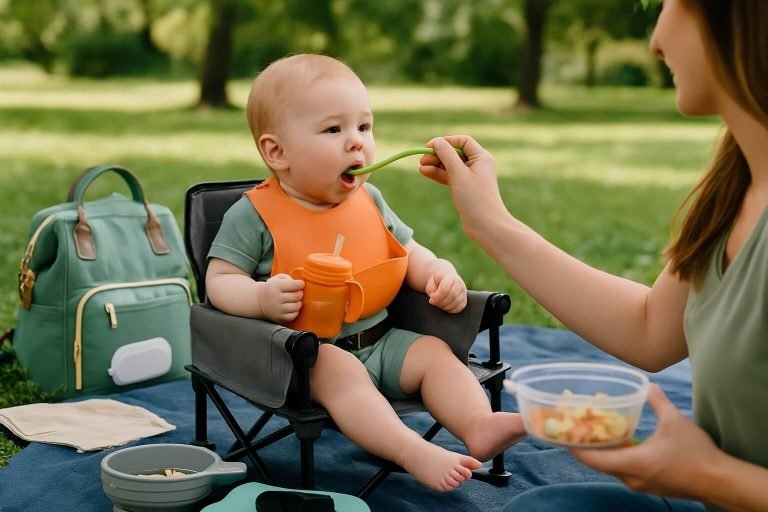

From that very first sleepy cuddle to their adventurous first steps, your baby embarks on an incredible journey of growth and discovery in their first year. As a parent, witnessing these “baby milestones” is one of the most rewarding experiences. But what exactly are these milestones, and when can you expect to see them?
This comprehensive month-by-month guide will illuminate the fascinating world of infant development, helping you understand what to anticipate, how to encourage your little one’s progress, and when to simply revel in their unique unfolding. Remember, every baby is a unique individual, and while these are general guidelines, your baby might reach some milestones earlier or later, and that’s perfectly normal.
Understanding Baby Milestones: More Than Just “Firsts”
Baby milestones are observable skills or behaviors that children acquire as they grow and develop. They are categorized across different areas of development:
- Gross Motor Skills: Large movements like rolling, sitting, crawling, and walking.
- Fine Motor Skills: Smaller, more precise movements like grasping, holding, and picking up objects.
- Cognitive Development: Thinking, learning, problem-solving, and understanding.
- Language and Communication: Cooing, babbling, understanding words, and eventually speaking.
- Social and Emotional Development: Smiling, interacting with others, expressing emotions, and building relationships.
These milestones build upon each other, forming a foundation for more complex skills. Celebrating each one, no matter how small, reinforces your baby’s efforts and encourages continued learning.
Month-by-Month Milestone Breakdown:
Month 1: The Newborn Wonder
Your newborn’s world is primarily about feeding, sleeping, and snuggling.
- Gross Motor: Reflexive movements, lifting head briefly when on tummy.
- Fine Motor: Hands mostly fisted.
- Cognitive: Focuses on faces, especially yours.
- Language/Communication: Crying is their main form of communication.
- Social/Emotional: Responds to touch and voice, calms when held.
Month 2: Awakening to the World
Your baby becomes more alert and interactive.
- Gross Motor: Lifts head higher during tummy time, smoother arm and leg movements.
- Fine Motor: Briefly opens and closes hands.
- Cognitive: Follows objects with their eyes, stares at objects for a few seconds.
- Language/Communication: Starts to coo and make “ooh” and “aah” sounds.
- Social/Emotional: Smiles in response to your voice or face, looks at you.
Month 3: Social Butterflies Emerge
Get ready for more smiles and delightful interactions!
- Gross Motor: Pushes up on forearms during tummy time, better head control.
- Fine Motor: Brings hands to mouth, bats at dangling objects.
- Cognitive: Shows interest in surroundings, recognizes familiar faces and objects from a distance.
- Language/Communication: Cooing becomes more varied, laughs softly.
- Social/Emotional: Expresses joy, responds to your expressions, enjoys playing.
Month 4: Discovering Their Hands and Feet
Your baby’s world expands as they gain more control over their body.
- Gross Motor: Rolls from tummy to back (and sometimes back to tummy!), holds head steady.
- Fine Motor: Reaches for toys with one hand, brings toys to mouth.
- Cognitive: Recognizes their name, looks at hands with fascination.
- Language/Communication: Laughs aloud, babbles with a wider range of sounds.
- Social/Emotional: Enjoys social play, smiles spontaneously.
Month 5: The Pre-Sitting Stage
Your little one is building strength for sitting.
- Gross Motor: Pushes up with straight arms during tummy time, starts to sit with support.
- Fine Motor: Passes toys from one hand to another, grasps objects firmly.
- Cognitive: Explores objects by putting them in their mouth, shows curiosity.
- Language/Communication: Responds to sounds by making sounds, knows their name.
- Social/Emotional: Distinguishes familiar faces from strangers, looks at self in mirror.
Month 6: Sitting Up and Taking Notice
A whole new perspective awaits as your baby begins to sit independently.
- Gross Motor: Sits with minimal or no support, rolls in both directions.
- Fine Motor: Rakes small objects, picks up dropped toys.
- Cognitive: Explores objects with hands and mouth, looks for fallen objects.
- Language/Communication: Babbles with consonant sounds (e.g., “ba-ba,” “ma-ma”), responds to own name.
- Social/Emotional: Responds to emotional expressions, enjoys peek-a-boo.
Month 7: On the Move!
Crawling might begin, opening up a world of independent exploration.
- Gross Motor: May start to crawl, pivots on tummy, gets into sitting position independently.
- Fine Motor: Develops pincer grasp (using thumb and forefinger), bangs objects together.
- Cognitive: Finds partially hidden objects, explores cause and effect (e.g., drops toy to hear sound).
- Language/Communication: Understands “no,” waves “bye-bye.”
- Social/Emotional: May show stranger anxiety, expresses various emotions.
Month 8: Little Explorers
More determined crawling and growing independence.
- Gross Motor: Crawls confidently, pulls self up to stand.
- Fine Motor: Puts objects into containers, claps hands.
- Cognitive: Understands simple commands, imitates gestures.
- Language/Communication: Uses “dada” and “mama” specifically, babbles with inflection.
- Social/Emotional: Plays interactive games, enjoys being the center of attention.
Month 9: Cruising Towards Walking
Your baby is getting ready for those exciting first steps!
- Gross Motor: Cruises (walks holding onto furniture), stands without support briefly.
- Fine Motor: Picks up small objects with pincer grasp, points with index finger.
- Cognitive: Understands object permanence, explores things in different ways.
- Language/Communication: Responds to simple verbal requests, imitates speech sounds.
- Social/Emotional: Shows preferences for certain people or toys, waves goodbye.
Month 10: Taking Those First Wobbly Steps
Some babies might take their first independent steps around this time.
- Gross Motor: Walks with one hand held, stands alone for longer periods.
- Fine Motor: Stacks rings, puts objects into and takes them out of containers.
- Cognitive: Understands more words, explores with purpose.
- Language/Communication: Says 1-2 words besides “mama” and “dada,” follows simple instructions.
- Social/Emotional: Copies gestures, shows affection.
Month 11: Becoming a Toddler
The lines between “baby” and “toddler” begin to blur.
- Gross Motor: Walks independently, climbs stairs (with help).
- Fine Motor: Turns pages of a book, attempts to feed themselves with a spoon.
- Cognitive: Understands the function of common objects, points to body parts.
- Language/Communication: Uses several words, shakes head “no.”
- Social/Emotional: Plays independently for short periods, shows temper tantrums.
Month 12: A Whole New World of Discovery
Happy first birthday! Your little one is a walking, talking (or trying to!) bundle of personality.
- Gross Motor: Walks well independently, squats to pick up objects.
- Fine Motor: Drinks from a cup, feeds self with fingers, points to pictures in a book.
- Cognitive: Follows 2-step commands, imitates adults.
- Language/Communication: Says 3-5 words, understands many more, waves bye-bye.
- Social/Emotional: Plays simple pretend games, shows affection, may cling to familiar adults in new situations.
Supporting Your Baby’s Development
While babies typically reach milestones naturally, you can play a significant role in fostering their growth:
- Plenty of Tummy Time: Essential for developing strong neck and back muscles.
- Talk, Read, and Sing: Expose your baby to language constantly. Describe what you’re doing, read books, and sing songs.
- Offer Engaging Toys: Provide age-appropriate toys that encourage grasping, reaching, and exploration.
- Respond to Their Cues: Acknowledge their coos, babbles, and gestures. This teaches them that their communication matters.
- Provide a Safe Environment: Allow your baby to explore safely as they become more mobile.
- Lots of Cuddles and Affection: Nurturing touch and emotional security are crucial for healthy development.
- Trust Your Instincts: You know your baby best. If something feels off, don’t hesitate to consult a professional.
When to Consult a Professional
While milestone ranges are broad, it’s important to be aware of potential red flags. Consult your pediatrician if your baby:
- Has very stiff or floppy limbs.
- Doesn’t respond to loud sounds.
- Doesn’t smile by 3 months.
- Doesn’t push up on forearms by 4 months.
- Doesn’t sit with support by 6 months.
- Doesn’t babble by 7 months.
- Doesn’t respond to their name by 9 months.
- Doesn’t crawl or pull to stand by 12 months.
- Loses skills they once had.
Early intervention can make a significant difference if there are developmental concerns.
Embrace the Journey!
The first year of your baby’s life is a whirlwind of rapid changes and incredible discoveries. By understanding these month-by-month milestones, you can better appreciate their unique journey, celebrate every small victory, and provide the loving support they need to thrive. Remember to enjoy every moment – they grow up so fast!
Frequently Asked Questions (FAQs)
1. What are baby milestones? Meta Description: Learn what baby milestones are and why they matter for your child’s healthy development. Understand key areas like motor skills, communication, and cognitive growth.
Baby milestones are specific skills or behaviors that the majority of children achieve by a certain age. They are indicators of a child’s typical development across various domains, including gross motor, fine motor, cognitive, language, and social-emotional skills.
2. Is it normal for babies to reach milestones at different times? Meta Description: Discover why every baby develops at their own pace. Learn about the typical ranges for milestones and when to seek professional advice.
Yes, absolutely! There is a broad range of what is considered “normal” for reaching milestones. Babies develop at their own pace, and individual differences are common. Some babies may reach certain milestones earlier than others, while some may take a bit longer. It’s more about the consistent progression of skills rather than hitting exact dates.
3. How can I encourage my baby’s development? Meta Description: Find practical tips to encourage your baby’s development. Learn about tummy time, reading, talking, and creating a stimulating environment for growth.
You can encourage your baby’s development through various simple activities:
- Tummy time: Essential for strengthening muscles.
- Talk and sing to them: Expose them to language.
- Read books: Even newborns benefit from hearing your voice and seeing pictures.
- Offer age-appropriate toys: Encourage grasping, reaching, and exploration.
- Respond to their cues: Engage in back-and-forth communication.
- Provide a safe space for exploration: Allow them to move and discover.
- Lots of cuddles and affection: Emotional security is vital.
4. When should I be concerned about my baby’s development? Meta Description: Understand red flags in baby development and when to contact your pediatrician. Learn which signs warrant professional consultation for peace of mind.
While variations are normal, it’s important to consult your pediatrician if you notice any significant concerns. These might include a lack of responsiveness to sounds or sights, unusual stiffness or floppiness, not smiling by 3 months, not babbling by 7 months, or losing skills they once had. Your pediatrician can offer guidance and assess if further evaluation is needed.
5. What is the most important milestone in a baby’s first year? Meta Description: Explore the most significant baby milestones in the first year. Understand why connection, communication, and independent movement are foundational for future learning.
There isn’t a single “most important” milestone, as all areas of development are interconnected and build upon each other. However, some foundational milestones include developing good head control, sitting independently, and engaging in reciprocal communication (like babbling back and forth). These pave the way for further exploration, movement, and language acquisition. The ability to connect and communicate with caregivers is also paramount for overall healthy development.