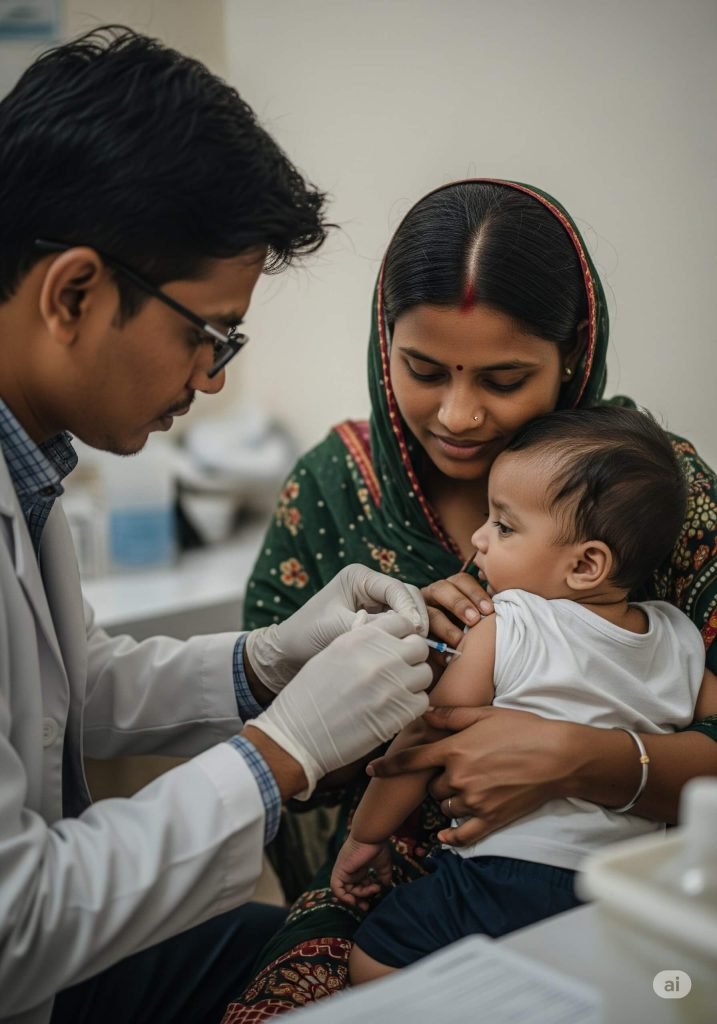
Bringing a new life into the world is an unparalleled joy, filled with dreams, hopes, and an unwavering desire to protect your little one. In Bangladesh, ensuring your baby’s health and well-being includes a crucial step: timely vaccinations. These tiny injections are powerful shields, safeguarding your child from a host of preventable, and often serious, diseases.
This comprehensive guide aims to demystify baby vaccinations in Bangladesh, providing you with all the essential information to make informed decisions for your child’s healthy future. We’ll explore the importance of vaccines, the recommended schedule, where to access these vital services, and address common concerns parents may have.
The Unwavering Importance of Baby Vaccinations
Vaccinations work by introducing a weakened or inactive form of a virus or bacteria to your child’s immune system. This “training” allows their body to build defenses (antibodies) without experiencing the full-blown illness. Should your child encounter the actual germ later, their immune system will be ready to fight it off, preventing severe disease.
In Bangladesh, the Expanded Programme on Immunization (EPI), launched in 1979, has been a monumental success. It has dramatically reduced the incidence of vaccine-preventable diseases (VPDs) like polio, measles, diphtheria, pertussis (whooping cough), tetanus, and tuberculosis. This collective immunity, also known as “herd immunity,” protects not just vaccinated individuals but also those who cannot be vaccinated due to age or medical conditions.
Dr. ASM Mahamuduzzanan, Assistant Professor of Pediatrics at Shaheed Suhrawardy Medical College and Hospital, emphasizes, “Now, vaccination coverage is so huge in Bangladesh that hardly anyone is at risk of vaccine preventable illnesses. Most kids are vaccinated now, very few are not and there should be even fewer.” This highlights the immense progress made and the continued need for every parent to participate.
Understanding the Baby Vaccination Schedule in Bangladesh
Bangladesh follows a well-established vaccination schedule, primarily through the government’s EPI program. It’s vital to adhere to this schedule to provide your baby with the earliest and most effective protection. Here’s a general overview, though it’s always best to consult with your pediatrician or local health center for the most up-to-date and personalized guidance:
At Birth (or within the first few days):
- BCG (Bacillus Calmette-Guérin): Protects against Tuberculosis (TB).
- OPV 0 (Oral Polio Vaccine, Zero Dose): Provides early protection against Poliomyelitis.
At 6 Weeks (approximately):
- Pentavalent 1 (Diphtheria, Pertussis, Tetanus, Hepatitis B, Haemophilus influenzae type B): The first dose of a combined vaccine protecting against five serious diseases.
- PCV 1 (Pneumococcal Conjugate Vaccine): First dose to protect against pneumococcal diseases, which can cause pneumonia, meningitis, and other severe infections.
- OPV 1 (Oral Polio Vaccine): First dose.
- Rotavirus Vaccine 1 (Optional but highly recommended): Protects against severe diarrhea caused by Rotavirus. (Available in private clinics, sometimes at government facilities depending on availability.)
At 10 Weeks (approximately):
- Pentavalent 2: Second dose.
- PCV 2: Second dose.
- OPV 2: Second dose.
- Rotavirus Vaccine 2 (Optional but highly recommended): Second dose.
At 14 Weeks (approximately):
- Pentavalent 3: Third and final dose.
- PCV 3: Third and final dose.
- OPV 3: Third and final dose.
- IPV (Inactivated Polio Vaccine): An injectable polio vaccine.
At 9 Months (approximately):
- MR (Measles and Rubella): Protects against Measles and Rubella.
At 15 Months (approximately):
- Measles 2 (Second dose of Measles vaccine): Reinforces protection against measles.
Beyond the Initial Schedule (Booster Doses & Additional Vaccines):
Your child may require booster doses for certain vaccines as they grow older. Additionally, some private clinics offer “optional” vaccines that provide protection against other diseases not covered by the EPI program, such as:
- Hepatitis A Vaccine
- Chickenpox (Varicella) Vaccine
- Typhoid Vaccine
- Mumps Vaccine (often part of MMR – Measles, Mumps, Rubella)
- Seasonal Influenza Vaccine
Discuss these options with your pediatrician to determine if they are suitable for your child.
Where to Get Your Baby Vaccinated in Bangladesh
Accessing vaccination services in Bangladesh is relatively straightforward, thanks to the widespread network of healthcare facilities:
- Government Healthcare Facilities: The Expanded Programme on Immunization (EPI) vaccines are provided free of charge at all government healthcare facilities, including:
- Upazila Health Complexes
- Union Health and Family Welfare Centers
- Community Clinics
- District Hospitals
- Medical College Hospitals These facilities usually have designated vaccination days or times, so it’s advisable to inquire beforehand.
- Non-Governmental Organizations (NGOs): Many NGOs work in collaboration with the government to provide immunization services, especially in hard-to-reach areas.
- Private Hospitals and Clinics: Numerous private hospitals and clinics across Bangladesh offer vaccination services. While EPI vaccines may be available for free, other additional vaccines will incur a cost. Private facilities often provide more flexible scheduling and may have a wider range of vaccines available. It’s always best to call ahead to confirm vaccine availability and pricing.
When choosing a vaccination center, ensure they maintain a proper “cold chain” for vaccines, meaning the vaccines are stored at the correct temperature to maintain their effectiveness.
Addressing Common Concerns and Side Effects
It’s natural for parents to have questions and concerns about vaccinations. Here’s a look at some common points:
- Are vaccines safe? Yes, vaccines undergo rigorous testing and monitoring before and after they are approved for use. Serious side effects are extremely rare. The benefits of vaccination in preventing life-threatening diseases far outweigh the minimal risks.
- Will my baby experience side effects? Most side effects are mild and temporary. These can include:
- Low-grade fever
- Soreness, redness, or swelling at the injection site
- Fussiness or drowsiness These can usually be managed with comfort measures like cuddles, a cool compress on the injection site, and paracetamol (acetaminophen) if recommended by your doctor.
- Do vaccines cause autism? No, this myth has been extensively debunked by scientific research. The original study that fueled this misconception was retracted due to fraudulent data and has been widely discredited.
- Should I space out vaccines? Following the recommended vaccination schedule is crucial. Delaying vaccines leaves your child vulnerable to preventable diseases for a longer period. The schedule is designed to provide optimal protection at the most critical times in a child’s development.
- What if my child is sick on vaccination day? If your child has a mild cold or fever, they can usually still be vaccinated. However, if they have a severe illness, high fever, or are on certain medications, consult your doctor.
Your Role as a Parent: Staying Informed and Prepared
As a parent, your active participation is key to your child’s successful immunization journey:
- Keep a Vaccination Record: Always ask for a vaccination card or record book and keep it updated after each dose. This document is crucial for tracking your child’s immunization status and for future healthcare needs.
- Ask Questions: Don’t hesitate to ask your doctor, nurse, or healthcare provider any questions you have about vaccines. They are there to provide you with accurate information and address your concerns.
- Stay Updated: Vaccination schedules can sometimes be updated. Stay informed by checking with reliable sources like the Ministry of Health and Family Welfare, UNICEF Bangladesh, or the World Health Organization (WHO).
- Spread Awareness: Encourage other parents in your community to vaccinate their children. Collective action strengthens community immunity and protects everyone.
In conclusion, baby vaccinations in Bangladesh are a cornerstone of child health. By understanding the schedule, accessing the appropriate services, and dispelling common myths, you can ensure your precious little one is protected against a world of preventable diseases, laying a strong foundation for a healthy and vibrant future.
Frequently Asked Questions (FAQs) about Baby Vaccinations in Bangladesh
1. What is the EPI program in Bangladesh? * Meta Description: Learn about Bangladesh’s Expanded Programme on Immunization (EPI), a government initiative providing free essential vaccines for children to combat preventable diseases. * Answer: The EPI (Expanded Programme on Immunization) is a highly successful government initiative in Bangladesh that provides free, routine vaccinations to all children against a range of serious diseases. It plays a crucial role in reducing child mortality and morbidity across the country.
2. Which vaccines are included in the free government EPI program? * Meta Description: Discover the list of free vaccines offered under the Bangladesh EPI program, including BCG, Pentavalent, OPV, IPV, PCV, and MR. * Answer: The EPI program in Bangladesh offers several essential vaccines for free. These typically include: BCG (Tuberculosis), Pentavalent (Diphtheria, Pertussis, Tetanus, Hepatitis B, Haemophilus influenzae type B), OPV (Oral Polio Vaccine), IPV (Inactivated Polio Vaccine), PCV (Pneumococcal Conjugate Vaccine), and MR (Measles and Rubella).
3. Are there any optional vaccines for babies in Bangladesh, and where can I get them? * Meta Description: Explore optional baby vaccines available in Bangladesh, such as Rotavirus, Chickenpox, and Hepatitis A, often accessible at private clinics. * Answer: Yes, beyond the standard EPI schedule, some optional vaccines are available, often at private hospitals and clinics. These can include Rotavirus vaccine (for diarrhea), Chickenpox (Varicella) vaccine, Hepatitis A vaccine, and sometimes Mumps (often combined in MMR). Consult your pediatrician to discuss if these are suitable for your child and their potential costs.
4. What are the common side effects of baby vaccinations in Bangladesh? * Meta Description: Understand typical mild side effects of baby vaccinations in Bangladesh like fever, redness, and fussiness, and how to manage them at home. * Answer: Common side effects are usually mild and temporary, lasting a day or two. They can include a low-grade fever, soreness, redness, or swelling at the injection site, and increased fussiness or drowsiness. These can typically be managed with comfort measures and over-the-counter pain relievers if recommended by your doctor. Serious reactions are extremely rare.