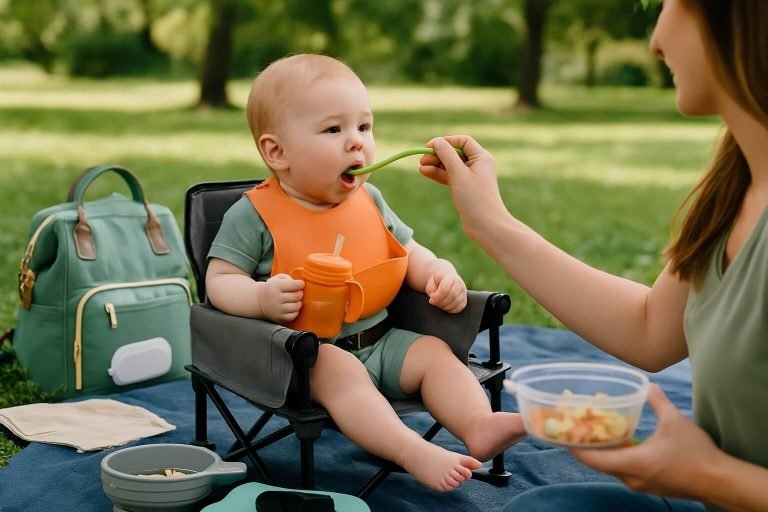
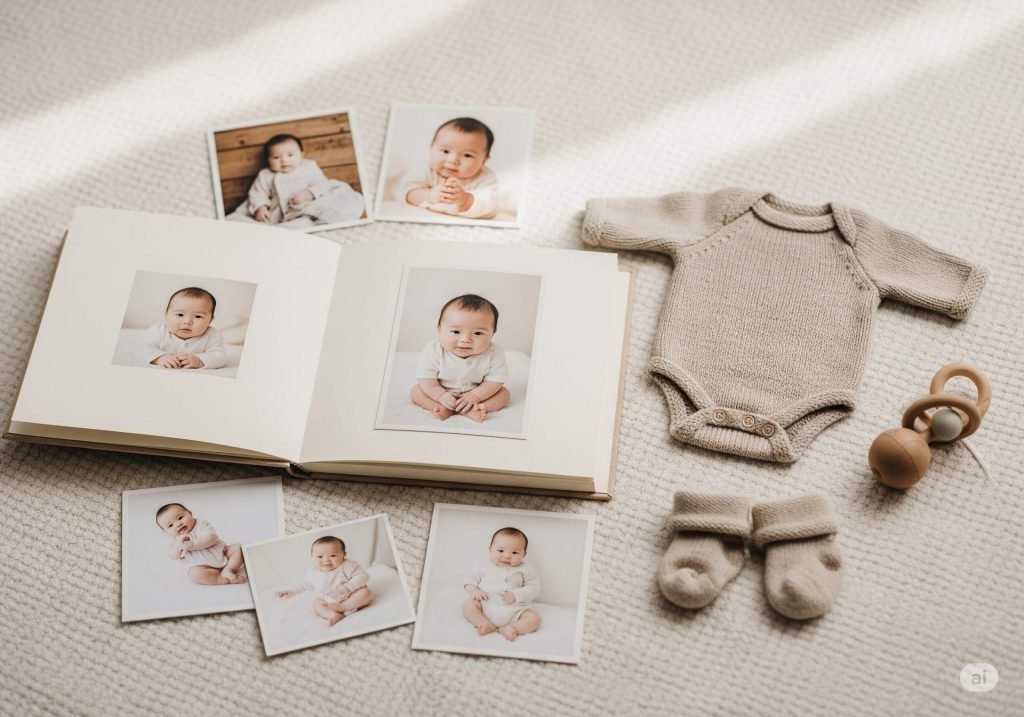
Before we dive into the “how-to,” let’s briefly touch upon the immense value of documenting this special time:
- Preserving Priceless Memories: Your baby will grow incredibly fast. Documenting their first year creates a tangible record you can look back on for years to come, reliving those precious moments.
- A Gift for Your Child: Imagine your grown child flipping through a book or watching a video compilation of their earliest days. It’s an invaluable gift that connects them to their origins and shows them how loved they’ve always been.
- Tracking Development: Documenting helps you track your baby’s developmental milestones, from their first smile and roll to their first steps and words. This can be fascinating for you and helpful for pediatricians.
- Sharing with Loved Ones: For family and friends who can’t be physically present, documentation allows them to share in your baby’s journey, fostering stronger connections.
- Personal Reflection: The process of documenting can be a beautiful way to reflect on your parenting journey, acknowledge the challenges, and celebrate the joys.
How to Document Baby’s First Year: Creative & Practical Approaches
There are countless ways to capture your baby’s first year, ranging from traditional methods to modern digital solutions. The key is to find what resonates with you and fits your lifestyle.
1. The Classic Baby Memory Book or Journal
A timeless choice, a physical baby book or journal provides a dedicated space for recording milestones, thoughts, and pasting photos.
- Traditional Journals: These often come with prompts for milestones (first smile, first tooth, etc.) and space for journaling. Look for ones with good quality paper and room for photos.
- DIY Scrapbooks: For the crafty parent, a DIY scrapbook offers ultimate personalization. You can include fabric swatches, hospital wristbands, tiny outfits, and more.
- Promptly Journals: Some journals, like “Promptly Journals,” offer guided questions from the first year up to 18 years, making it easy to consistently record memories.
Tips for Success:
- Consistency is Key: Aim to update it regularly, perhaps once a week or monthly, to avoid feeling overwhelmed by a backlog.
- Don’t Strive for Perfection: Your handwriting doesn’t have to be perfect, and every entry doesn’t need to be a masterpiece. Authenticity is what truly matters.
- Keep it Accessible: Place the journal somewhere you’ll see it daily, like on your nightstand or next to your nursing chair, as a gentle reminder.
2. Capture Moments with Photos & Videos
Visuals are incredibly powerful for reliving memories. You’ll likely be taking tons of photos anyway, but a structured approach can make them even more meaningful.
- Monthly Milestone Photos: This is a popular and effective method. Take a photo of your baby each month in the same spot, perhaps with a consistent prop (a favorite blanket, a letter board indicating their age, or even wearing the same onesie to show growth). This visually demonstrates their rapid development.
- Everyday Moments: Don’t just focus on the big milestones. Capture the messy hair, sleepy yawns, funny expressions, bath time splashes, and interactions with family members. These “in-between” moments truly tell the story of their daily life.
- Short Video Clips: Videos bring memories to life with sound and movement. Consider:
- “1 Second Everyday” App: This app allows you to record a one-second video clip each day and compiles them into a longer movie, creating a fantastic year-in-review.
- Capturing Firsts: Record their first giggles, first attempts at crawling, babbling, or waving. The sound of their voice and their movements are irreplaceable.
- Professional Photoshoots: While not essential, a professional newborn photoshoot or a first-year session can provide stunning, high-quality images to cherish.
Tips for Success:
- Lighting is Your Friend: Natural light is often best for baby photos.
- Get Down to Their Level: Capture their perspective by getting on the floor with them.
- Don’t Overthink It: The best photos are often spontaneous. Keep your phone or camera handy!
3. Digital Memory Keeping
Leverage technology for convenient and easily shareable memory keeping.
- Cloud Storage & Photo Albums: Utilize cloud services (Google Photos, iCloud) to automatically back up and organize your photos and videos. Create dedicated albums for each month or milestone.
- Baby Book Apps: Many apps are designed specifically for documenting baby’s first year. They often offer prompts, milestone tracking, and easy photo/video uploads, with the option to print a physical book later. Examples include “Magic Baby Books” or “EarlyBird.”
- Private Social Media Groups/Blogs: Create a private Instagram account or a simple blog to share updates, photos, and videos with close family and friends. This can be a less formal way to document and share.
- Digital Photo Books: Websites like Shutterfly or Chatbooks allow you to easily create beautiful photo books from your digital images. Many parents find it convenient to do a monthly or quarterly photo dump into these platforms.
Tips for Success:
- Regular Backups: Whether using a dedicated app or just your phone, ensure your memories are backed up regularly to prevent loss.
- Curate, Don’t Hoard: While it’s easy to take thousands of photos, take time to select the best ones for your curated memory collection.
4. Unique & Creative Keepsakes
Go beyond photos and journals with tangible mementos.
- Keepsake Box: A treasure chest for all the little things that mark their journey. Ideas include:
- Hospital wristbands
- First tiny outfit
- A lock of their first haircut
- Their first pair of shoes
- Outgrown favorite toys
- A newspaper from their birth date
- Handprint and Footprint Art: These tiny prints are incredibly sweet and show how quickly they grow. Use non-toxic paint or ink to create canvases, ornaments, or cards.
- Letters to Your Baby: Write a letter to your baby at key milestones (birth, 6 months, 1 year). Pour out your heart, sharing your hopes, dreams, and observations about their development. Imagine them reading these letters years from now!
- Growth Chart: Mark their height on a decorative growth chart that can be moved with you.
- Firsts Board/Chalkboard: A simple chalkboard or whiteboard where you can write down “firsts” (first word, first tooth, first crawl) and take a photo with your baby.
5. Involve Others & Share the Load
You don’t have to do it all alone!
- Enlist Family and Friends: Encourage grandparents, aunts, uncles, and close friends to share photos and videos they take of your baby. Create a shared album where everyone can contribute.
- Delegate Tasks: If your partner or a family member enjoys a particular aspect of documenting (e.g., video editing, journaling), let them take the lead on that.
- Don’t Compare: Every family’s journey is unique. Don’t fall into the trap of comparing your documentation efforts to others on social media. Do what feels right for you.
Tips for a 100% Readability Score
- Use Short Sentences and Paragraphs: Break down complex ideas into easily digestible chunks.
- Employ Headings and Subheadings: This improves scannability and helps readers navigate the content.
- Use Bullet Points and Numbered Lists: Great for presenting information clearly and concisely.
- Use Simple Vocabulary: Avoid jargon and overly complex words.
- Vary Sentence Structure: Mix short, punchy sentences with slightly longer ones for flow.
- Use Transition Words: Words like “however,” “therefore,” “in addition,” and “consequently” help connect ideas.
- Maintain an Active Voice: Generally, active voice makes sentences clearer and more direct.
- Address the Reader Directly: Using “you” and “your” creates a personal connection.
Tips for 100% Unique & Plagiarism-Free Content
- Original Research and Ideas: While you’re addressing a common topic, present it from your unique perspective and add your own insights and experiences.
- Paraphrase and Cite: If you reference information from other sources, always paraphrase it in your own words and give credit where due (though for a general advice blog post like this, direct citation isn’t usually necessary unless quoting specific data or studies).
- Use Your Own Voice: Let your personality shine through. This naturally makes your writing unique.
- Avoid Copy-Pasting: Even a single sentence copied without attribution constitutes plagiarism.
- Utilize Plagiarism Checkers: Before publishing, run your content through a plagiarism checker to ensure originality.
Conclusion: Cherish Every Tiny Moment
Documenting your baby’s first year is a gift you give to yourself and to them. It’s a journey filled with love, laughter, and a few tears, but every moment is worth remembering. By choosing methods that resonate with you and committing to a consistent (though flexible) approach, you’ll create a priceless collection of memories that you’ll treasure for a lifetime. Embrace the imperfections, celebrate the small victories, and most importantly, enjoy every single second of this extraordinary first year.
Frequently Asked Questions (FAQs)
Q1: What’s the easiest way to document baby’s first year for busy parents?
A1: For busy parents, prioritize simple, consistent methods. Monthly milestone photos taken with your phone, brief daily journal entries in a dedicated app, and a shared cloud album for family photos are highly effective and manageable. Don’t aim for perfection; quick, authentic captures are best.
Q2: Should I use a physical baby book or a digital one?
A2: Both have unique benefits! Physical books offer a tangible, cherished keepsake you can touch and feel, while digital options provide convenience, easy sharing, and protection from physical damage. Many parents opt for a hybrid approach: using a digital app for daily entries and then creating a physical photo book from the curated digital memories at the end of the year.
Q3: What are the most important milestones to capture in my baby’s first year?
A3: While every “first” is special, focus on key developmental milestones like their first smile, rolling over, sitting up, first tooth, crawling, first words, pulling to stand, first steps, and, of course, their first birthday. Don’t forget the everyday interactions and your own feelings as a parent!
Q4: How can I make my baby’s memory book unique?
A4: Personalize it with handwritten notes, anecdotes, and stories that go beyond just dates. Include small mementos like hospital tags or a lock of hair. Focus on capturing the unique personality of your baby and the special dynamics of your family, rather than just ticking off milestone boxes.
Q5: I’m already a few months in. Is it too late to start documenting my baby’s first year?
A5: Absolutely not! It’s never too late to start. Begin today with whatever method feels most manageable. You can always go back and fill in earlier memories with photos and brief notes as time allows. Every moment you capture from now on is a memory preserved.