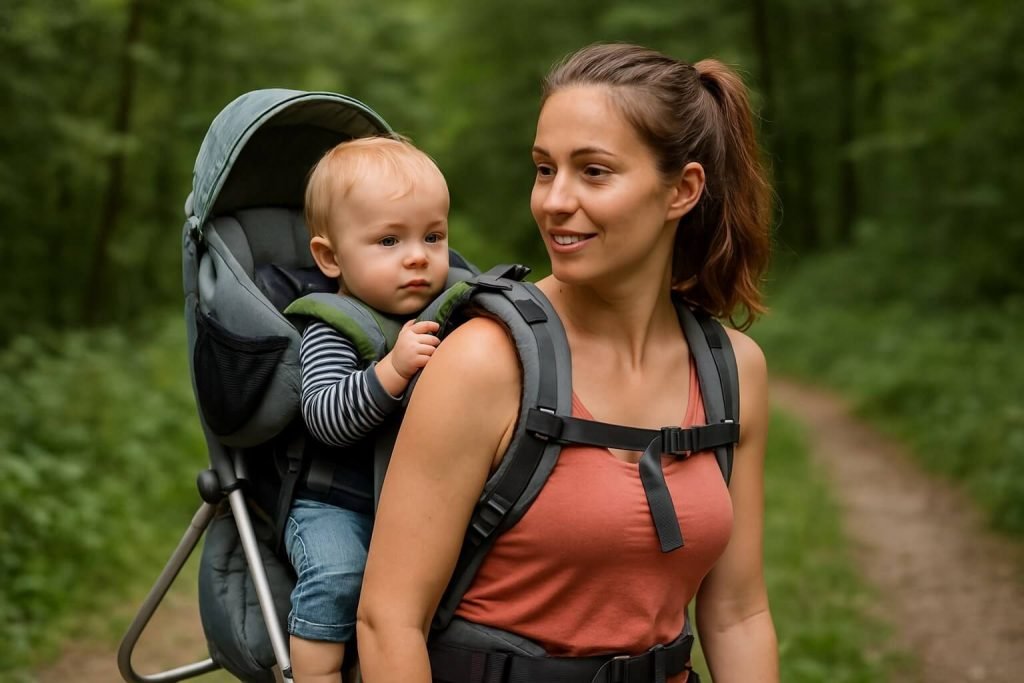
Choosing the right baby backpack carrier can be a game-changer for active families. Whether you’re hiking, strolling through the park, or just running errands, the right carrier ensures comfort, safety, and convenience for both you and your baby. With so many options on the market, finding the perfect one may feel overwhelming. In this guide, we break down everything you need to know—making your buying decision easy and confident.
👶 Why Baby Backpack Carriers Matter
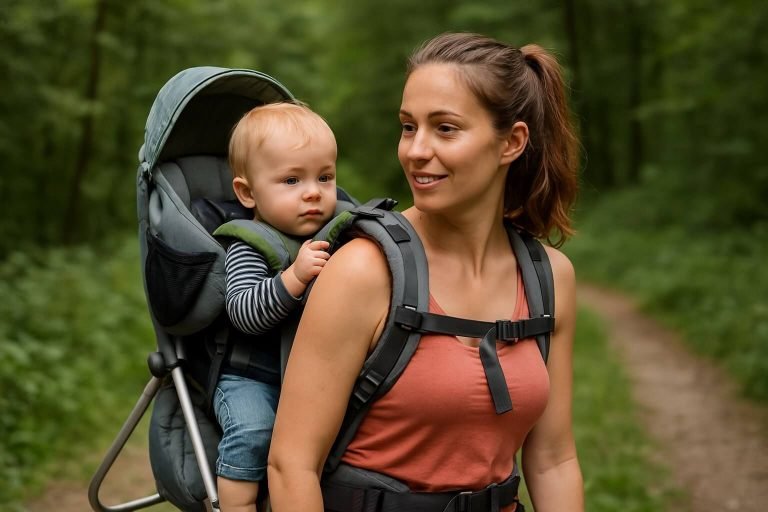
Baby backpack carriers are designed to support your child’s weight while distributing pressure evenly across your shoulders and hips. Compared to soft front carriers, backpack styles are ideal for longer outings and growing toddlers who enjoy looking around.
Key Benefits:
- Hands-free mobility
- Enhanced support for outdoor activities
- Better posture and comfort for parents
- Improved visibility and stimulation for babies
🔍 What to Look for in a Baby Backpack Carrier
Before diving into brand comparisons or trendy models, understand these essential features:
1. Safety First
Choose carriers certified by safety organizations like ASTM or JPMA. Look for:
- Adjustable safety harnesses
- Sturdy buckles and straps
- Padded leg openings to prevent chafing
2. Ergonomic Design
Proper support helps your child maintain a natural seated position. An ergonomic seat:
- Supports your baby’s hips (especially important for infants under 6 months)
- Keeps knees elevated at a 90-degree angle
- Ensures weight distribution for long outings
3. Adjustability
Every adult has a different torso shape. A good carrier allows:
- Adjustable shoulder and waist straps
- Height settings for growing babies
- Quick-fit adjustment for shared use (between parents)
4. Weather Protection
Look for removable rain covers, sunshades, and breathable materials. Some carriers include:
- UV-resistant hoods 🌞
- Mesh ventilation for airflow
- Water-repellent fabric for unexpected drizzles ☔
5. Storage Space
Convenience is key. Ideal carriers feature:
- Multiple zippered compartments
- Bottle holders
- Easy-access pockets for wipes, snacks, or diapers
6. Weight Capacity
Check the max weight limit—usually around 40 lbs (18 kg). Always match the carrier to your child’s current and future size range.
🥾 Best Situations for Using a Baby Backpack Carrier
These carriers shine when:
- Hiking in nature: Keeps hands free while exploring uneven terrain
- Traveling or sightseeing: Provides baby security without lugging a stroller
- Urban walks and errands: Navigating busy sidewalks becomes easier
✅ Checklist: How to Choose the Right Carrier
Here’s a quick reference guide you can use while shopping:
| Feature | Must-Have Details |
|---|---|
| Safety Certification | ASTM/JPMA approval, 5-point harness |
| Fit & Support | Adjustable straps, lumbar support |
| Comfort for Baby | Padded seat, good visibility, sunshade |
| Storage Options | At least 2 zippered pockets |
| Weight Capacity | Suitable for your child’s current/future weight |
| User Comfort | Breathable material, padded shoulder straps |
🔄 Tips Before You Buy
- Try before you buy: Visit a store and test the fit, or look for brands offering free returns.
- Read reviews: Pay attention to comments about long-term use and comfort.
- Ask other parents: Online parenting forums can reveal hidden gems or models to avoid.
📘 Frequently Asked Questions
Q1. What age can a baby use a backpack carrier?
A: Most babies can use one from around 6 months old when they have strong neck control and can sit unaided.
Q2. Are baby backpack carriers safe for hiking?
A: Yes, especially when certified for outdoor use. Make sure the carrier fits securely and offers weather protection.
Q3. Can I wear a baby backpack carrier in hot weather?
A: Absolutely. Look for breathable fabrics, mesh panels, and hydration storage options.
Q4. What’s the difference between a soft carrier and a backpack carrier?
A: Soft carriers are ideal for younger infants and short trips. Backpack carriers offer more support, storage, and durability for older babies and extended use.