Keeping baby toys clean is essential for your child’s health. But many parents worry about using harsh chemicals.
Babies explore the world through touch and taste. They often put toys in their mouths. Cleaning these toys without chemicals ensures they stay safe. Traditional cleaning products can leave harmful residues. These residues are not ideal for delicate baby skin.
In this blog, we will explore natural, effective ways to clean baby toys. You will learn simple methods to keep toys germ-free. These techniques use items you likely already have at home. Plus, they are gentle on your baby’s skin. Join us to discover how to keep your baby’s playthings clean and safe without chemicals. Let’s dive in!
Importance Of Chemical-free Cleaning
Cleaning baby toys without chemicals is crucial. Babies have sensitive skin and often put toys in their mouths. Using harsh chemicals can be harmful. Opting for chemical-free cleaning methods ensures safety. It also protects the environment.
Health Benefits
Chemical-free cleaning is safer for babies. Harsh chemicals can cause allergies. They may lead to skin irritation. Babies’ immune systems are still developing. Avoiding chemicals reduces health risks. Natural cleaning methods are gentle. They do not leave harmful residues. This keeps babies safe and healthy.
Environmental Impact
Using natural cleaners helps the planet. Chemicals from cleaners end up in water sources. This can harm aquatic life. Non-toxic cleaning methods prevent pollution. They are biodegradable and eco-friendly. Choosing them reduces your carbon footprint. It promotes a healthier environment. Teaching kids early about eco-friendly practices is important. It helps create a sustainable future.
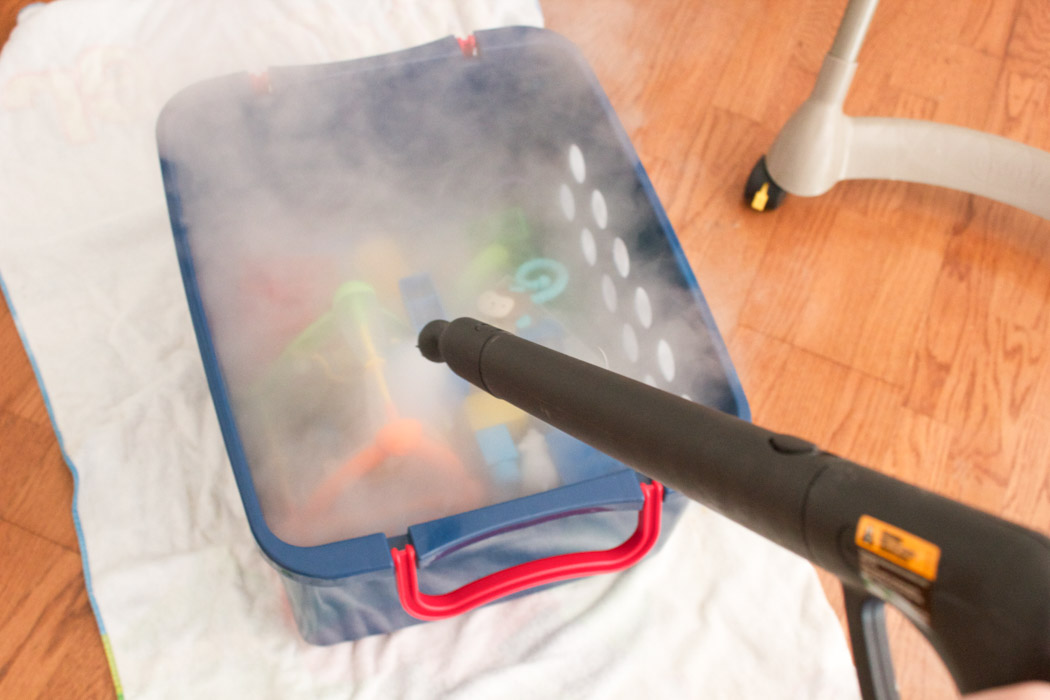
Credit: www.erinspain.com
Choosing Natural Cleaning Agents
Choosing natural cleaning agents for baby toys is a wise decision. It keeps harmful chemicals away from your child. Natural cleaning agents are safe and effective. They are also easy to find in your kitchen. Let’s look at some of the best options.
Vinegar
Vinegar is a powerful natural cleaner. It can kill bacteria and germs. Mix one part vinegar with one part water. Use a spray bottle for easy application. Spray the solution on the toys. Let it sit for a few minutes. Then, wipe the toys with a clean cloth. This method works well for plastic and wooden toys. Rinse with water if needed. Vinegar is a great disinfectant and safe for your baby.
Baking Soda
Baking soda is another excellent choice. It is non-toxic and gentle. It can remove dirt and odors from toys. Make a paste with baking soda and water. Use a small brush to apply the paste. Scrub the toys gently. Rinse the toys under warm water. Baking soda is perfect for cleaning plush toys. Sprinkle it on the toy, let it sit, then vacuum it off. Your baby’s toys will be fresh and clean.
Cleaning Soft Toys
Cleaning soft toys is essential to keep them safe for your baby. Babies often put their toys in their mouths. This makes it crucial to clean these toys regularly. Soft toys can collect dust, dirt, and bacteria over time. Here are some effective ways to clean them without using chemicals.
Hand Washing
Hand washing is a gentle way to clean soft toys. Fill a basin with warm water. Add a mild, baby-safe detergent. Submerge the toy and gently scrub it with a soft brush. Pay attention to stained areas. Rinse thoroughly with clean water. Squeeze out excess water and let the toy air dry. Avoid direct sunlight to prevent fading.
Machine Washing
Machine washing is suitable for many soft toys. Check the toy’s label first. Place the toy in a mesh laundry bag. This will protect it from damage. Use a gentle cycle with cold water. Add a small amount of baby-safe detergent. Avoid using fabric softeners or bleach. After washing, let the toy air dry completely. Fluff it up with your hands to restore its shape.

Credit: www.linkedin.com
Cleaning Hard Plastic Toys
Keeping baby toys clean is important for your baby’s health. Hard plastic toys are durable but can harbor germs. Using chemical-free methods ensures safety. Here are two effective ways to clean hard plastic toys without chemicals.
Soaking Method
The soaking method is simple and effective. Here’s how to do it:
- Fill a basin with warm water.
- Add a few drops of mild dish soap.
- Place the toys in the water and let them soak for 10-15 minutes.
- Use a soft brush to scrub the toys gently.
- Rinse the toys with clean water.
- Let them air dry on a clean towel.
| Materials | Steps |
|---|---|
| Warm water | Fill the basin |
| Mild dish soap | Add a few drops |
| Soft brush | Scrub gently |
| Clean water | Rinse toys |
| Clean towel | Air dry |
Wipe Down Method
The wipe down method is quick for daily cleaning. Here’s how:
- Prepare a mixture of 1 cup water and 1 cup white vinegar.
- Dip a clean cloth in the mixture.
- Wipe down each toy thoroughly.
- Rinse the toys with a damp cloth.
- Let the toys air dry.
This method is great for a quick clean. Vinegar is a natural disinfectant. It helps to remove germs and dirt.
Both methods are safe and easy to follow. They keep your baby’s toys clean and germ-free without using harsh chemicals.
Cleaning Wooden Toys
Cleaning wooden toys can be a bit tricky. Their porous surface absorbs liquids easily, making them prone to damage. You need gentle cleaning methods to keep them safe and sound. Here are some effective ways to clean wooden toys without chemicals.
Mild Soap Solution
First, mix a mild soap solution. Use a few drops of dish soap and warm water. Avoid using harsh chemicals which can harm your baby.
Next, dip a soft cloth into the soapy water. Wring it out well to avoid soaking the wood. Wipe the toy gently, covering all surfaces. Pay special attention to any dirt or grime.
Once clean, use a dry cloth to remove any soap residue. Let the toy air dry completely. Never submerge wooden toys in water. It can cause warping or cracks.
Oil Treatment
Wooden toys benefit from regular oil treatments. It helps maintain their shine and prevents drying out. Use food-grade oils like coconut or olive oil.
Apply a small amount of oil to a soft cloth. Rub it into the wood, covering the entire surface. Allow the oil to soak in for a few minutes.
Finally, buff the toy with a dry cloth. This removes any excess oil and brings out the wood’s natural beauty. Repeat this process every few months for best results.

Credit: ourfaithfilledhome.com
Cleaning Bath Toys
Clean baby bath toys using natural methods. Mix equal parts of water and white vinegar. Soak toys for 15 minutes, then rinse well.
Cleaning bath toys is essential for your baby’s health. Bath toys can quickly become a breeding ground for mold and bacteria. Regular cleaning keeps them safe and fun for your little one. Let’s explore some effective ways to clean bath toys without chemicals.Prevention Of Mold
Preventing mold in bath toys is easier than you think. First, always squeeze out water from toys after each bath. This reduces moisture, which mold loves. Next, store toys in a dry place. A mesh bag or a drainable toy bin works well. You can also seal the holes in bath toys with hot glue. This prevents water from getting inside. It’s a simple step that can make a big difference. Regularly check toys for signs of mold. If you see any, clean them immediately.Deep Cleaning Techniques
Deep cleaning bath toys is necessary for thorough sanitation. Start by soaking toys in a solution of white vinegar and water. Use one part vinegar to one part water. Let the toys soak for about 10 minutes. Vinegar is a natural disinfectant and safe for babies. After soaking, scrub the toys with a brush. Pay extra attention to crevices and small parts. Rinse the toys well with clean water. Let them dry completely before giving them back to your baby. For stubborn mold, baking soda can help. Make a paste with baking soda and water. Apply it to the moldy areas and scrub gently. Rinse and dry the toys thoroughly. By following these steps, you can keep bath toys clean and safe. Your baby can enjoy bath time without the risk of harmful mold or bacteria. “`Drying And Storing Clean Toys
Drying and storing baby toys properly ensures they remain clean and safe. After cleaning, it’s important to dry and store them correctly. This prevents mold and keeps the toys in good condition.
Air Drying
Air drying is a simple and effective method. Place the toys on a clean, dry towel. Spread them out so they don’t touch each other. This allows air to circulate and speeds up drying.
Avoid placing toys in direct sunlight for long periods. It can cause colors to fade. If you’re drying toys with fabric parts, use a fan to help speed up the process.
Proper Storage
Once the toys are dry, store them in a clean, dry place. Use storage bins or boxes with lids to keep dust and dirt away. Clear plastic bins are great because you can see the contents easily.
Keep toys organized by type or size. This makes it easier to find what you need. For soft toys, use fabric storage bins. They allow air to circulate and keep the toys fresh.
Check the storage area regularly for any signs of moisture or pests. This ensures the toys remain clean and safe for your baby to play with.
Safety Tips For Toy Cleaning
Keeping baby toys clean is crucial for your child’s health. Using non-chemical methods ensures the safety of your little one. Here are some safety tips for cleaning baby toys effectively.
Avoiding Harmful Chemicals
Avoid using harsh chemicals like bleach and ammonia. These can leave harmful residues. Opt for natural cleaning agents. Vinegar and baking soda work wonders. They clean well without posing health risks. Mix a solution of vinegar and water. Use it to wipe down toys. Rinse with warm water and let them dry.
Regular Cleaning Schedule
Establish a regular cleaning routine. Clean toys at least once a week. Increase frequency if your child is sick. This helps prevent the spread of germs. Soft toys need special care. Wash them in the machine using a gentle cycle. Air dry them thoroughly. Hard toys can be wiped down easily. Use a clean cloth and your vinegar solution.
Conclusion
Keeping baby toys clean doesn’t need chemicals. Simple methods work best. Use natural solutions like vinegar and water. Baking soda is another safe option. Regular cleaning helps keep germs away. Always dry toys well after washing. This prevents mold. Clean toys mean safer playtime for your baby.
Remember, a clean home is a happy home. Happy cleaning!