
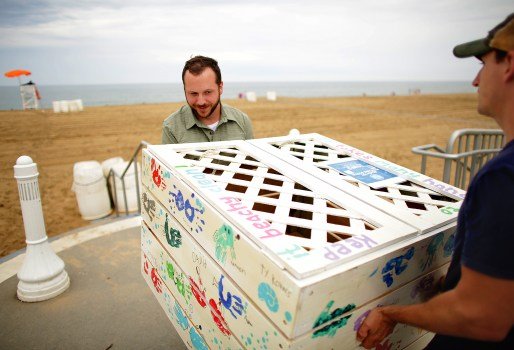
Toy waste is a growing problem. Many toys end up in landfills, creating environmental issues.
Reducing toy waste is not only good for the planet, but also beneficial for families. Toys often pile up, taking space and creating clutter. Disposing of them responsibly can lead to a cleaner home and a healthier environment. There are several ways to manage toy waste effectively.
From donating to recycling, simple actions can make a big difference. This blog will explore practical tips to reduce toy waste. You’ll learn how to make eco-friendly choices and teach kids the importance of sustainability. Let’s dive into ways to keep toys out of landfills and make our homes greener.

Credit: www.instagram.com
Introduction To Toy Waste
Toy waste is a growing problem affecting our environment. Reduce toy waste by donating, recycling, and choosing durable, eco-friendly toys. Make thoughtful purchasing decisions to lessen the impact on landfills.
Toy waste is a growing problem in today’s world. Many families buy toys for their children. Often, these toys end up in the trash. They break or lose their charm. This creates a lot of waste. We need to understand toy waste better. Toys are made from plastic and other materials. These materials do not break down easily. They stay in landfills for a long time. This harms our environment.The Environmental Impact
Toy waste has a big effect on our planet. Most toys are made from plastic. Plastic takes hundreds of years to break down. It fills up our landfills. Some toys also contain harmful chemicals. These chemicals can leak into the soil and water. This pollution can harm animals and plants.Why It Matters
Reducing toy waste is important for a healthier planet. Less waste means less pollution. It also means fewer resources are used to make new toys. By caring about toy waste, we help our environment. We also teach our children to care for their world. This creates a better future for everyone. “`Choosing Sustainable Toys
Choosing sustainable toys can help reduce toy waste significantly. Sustainable toys are made with eco-friendly materials and ethical practices. They are durable and safe for children. By selecting these toys, you contribute to a healthier planet.
Materials To Look For
Look for toys made from natural materials. Wood, bamboo, and organic cotton are excellent choices. These materials are biodegradable and non-toxic. They are safe for children and the environment.
Avoid toys with plastic and harmful chemicals. Plastic takes many years to decompose. It can harm wildlife and pollute the oceans. Choose toys with water-based paints and natural dyes. They are safer for kids and the planet.
Brands Making A Difference
Several brands are leading the way in sustainable toys. Green Toys use recycled plastic to make their products. Their toys are durable and safe for children. PlanToys focus on wooden toys from sustainable forests. Their production processes are eco-friendly.
Hape Toys commit to using renewable materials. They also ensure their toys are safe and educational. BeginAgain creates toys from plant-based materials. Their designs encourage creativity and learning. These brands make it easier to choose sustainable toys.
Embracing Minimalism
Reducing toy waste can start by embracing minimalism. This approach means having fewer toys, but ones that are meaningful and versatile. It helps in creating a clutter-free environment and teaches children the value of what they own. Let’s dive into the benefits and steps to start this journey.
Benefits Of Fewer Toys
Having fewer toys offers many advantages. Here are some key benefits:
- Less Clutter: A smaller number of toys means less mess. Cleaning up becomes easier and faster.
- Improved Focus: With fewer distractions, children can concentrate better on their activities.
- Enhanced Creativity: Limited toys push kids to use their imagination more.
- Quality Time: Parents can spend more meaningful time with their children, engaging in activities together.
- Environmental Impact: Reducing toy waste helps the environment by minimizing landfill contributions.
How To Start
Starting with minimalism in toys can be simple. Follow these steps:
- Assess Current Toys: Go through all the toys and sort them. Keep only those that are used frequently and have educational value.
- Declutter: Donate, sell, or recycle toys that are no longer needed. This reduces clutter and helps others.
- Choose Quality: Opt for high-quality, durable toys that can last longer and serve multiple purposes.
- Set Limits: Establish a rule for the number of toys. Stick to it to avoid over-accumulation.
- Involve Children: Teach kids the importance of having fewer toys. Involve them in the decision-making process to create a sense of responsibility.
By embracing minimalism, families can enjoy a simpler, more organized life. It fosters a greater appreciation for the things they have.
Diy And Upcycled Toys
Reducing toy waste is a great way to help the environment. One effective method is creating DIY and upcycled toys. This approach not only reduces waste but also sparks creativity. Kids love making their own toys, and parents enjoy the bonding time. Plus, it’s a cost-effective way to keep children entertained.
Simple Diy Ideas
Creating DIY toys at home can be fun and easy. Use cardboard boxes to make castles or forts. Paint and decorate them together. Old socks can become adorable sock puppets. Add buttons for eyes and yarn for hair. Paper towel rolls can turn into tunnels for toy cars. Just cut and tape them together. Even simple materials like paper and glue can create wonders. Make paper airplanes or origami animals. The possibilities are endless and only limited by your imagination.
Upcycling Old Toys
Upcycling old toys is another great way to reduce waste. Broken toys can be repaired or transformed into new ones. Turn old toy cars into plant holders. Just add some soil and a small plant. Stuffed animals can find a second life as draft stoppers. Sew them shut and place them at the bottom of doors. Use puzzle pieces to create unique picture frames. Glue them around the edges for a fun look. Even old building blocks can become key holders. Attach them to a base and hang your keys.
By making DIY and upcycled toys, you reduce waste and save money. Plus, you give old items a new purpose. It’s a win-win for everyone involved.
Toy Libraries And Swaps
Parents often buy many toys for their children, leading to toy waste. Toy libraries and swaps offer a smart way to reduce this waste. These methods help parents share and reuse toys. They also save money and space in homes.
How Toy Libraries Work
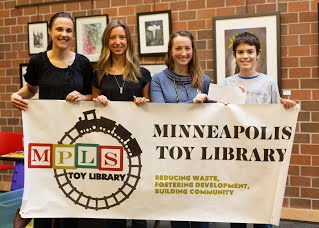
Toy libraries function like book libraries. Members borrow toys for a set period. Then, they return them for others to use. This system keeps toys in circulation and reduces waste. Toy libraries often have a wide range of toys. This variety keeps children entertained without new purchases.
Joining a toy library is simple. Parents pay a small fee or subscription. This fee covers the maintenance and replacement of toys. Some libraries even offer online catalogs. This makes it easy to choose and reserve toys from home.
Organizing A Toy Swap
Toy swaps are community events where families exchange toys. Participants bring gently used toys their children no longer need. They trade these toys with others. This way, everyone gets new toys without spending money.
Organizing a toy swap is not difficult. First, find a suitable location. It can be a community center, school, or even a backyard. Next, set a date and invite participants. Use social media or local bulletin boards for promotion. On the day of the event, arrange toys by age or type. This makes it easy for parents to find what they need.
Ensure all toys are clean and in good condition. This ensures safety and satisfaction for all participants. Toy swaps can be a fun and social way to reduce toy waste. They also teach children the value of sharing and sustainability.
Credit: mplstoylibrary.org
Proper Disposal Methods
Reducing toy waste is essential for a healthier planet. One way to achieve this is by using proper disposal methods. This section will explore different ways to dispose of toys responsibly.
Recycling Options
Many toys can be recycled. Check local recycling programs to see if they accept toys. Some materials commonly found in toys, such as certain plastics and metals, can be processed and reused. Here are some steps to follow:
- Sort toys by material: plastic, metal, or electronic.
- Remove any batteries and dispose of them separately.
- Clean toys to remove any dirt or residue.
- Place the sorted toys in the appropriate recycling bins.
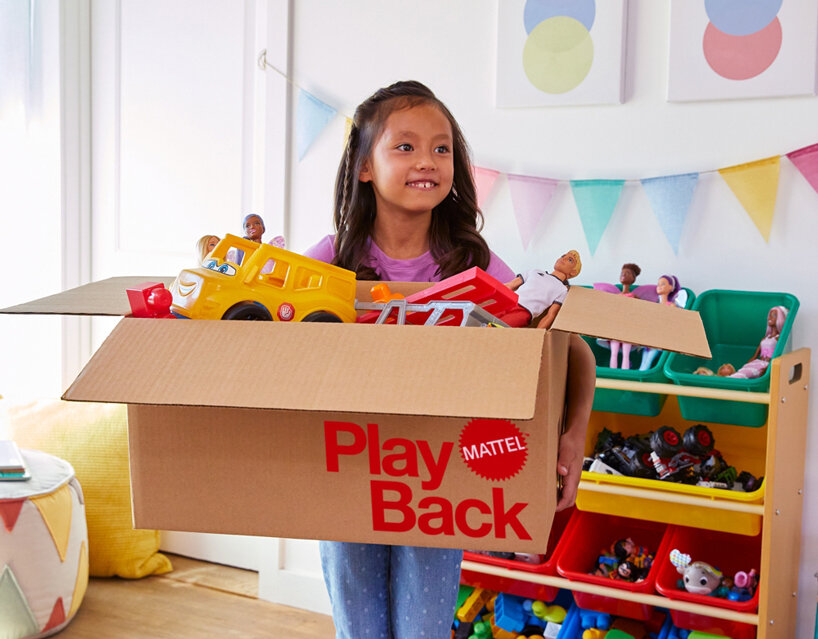
Consider recycling programs that specialize in toys. These programs can ensure that toys are properly dismantled and recycled.
Donation Tips
Donating toys is another excellent way to reduce waste. Many organizations accept toy donations and give them to children in need. Here are some tips for donating toys:
- Ensure toys are clean and in good condition.
- Check if the toy meets safety standards.
- Avoid donating toys with missing parts.
- Contact local charities, shelters, or hospitals to see if they accept toy donations.
| Organization | Contact Information |
|---|---|
| Local Charities | Check their website or call them directly |
| Children’s Hospitals | Visit their donation page for guidelines |
| Community Centers | Reach out to them via phone or email |
Donating toys not only reduces waste but also brings joy to children. It’s a win-win situation for everyone involved.
Involving Kids In Eco-friendly Play
Involving Kids in Eco-Friendly Play can significantly reduce toy waste. By teaching children the value of sustainability early, they learn to appreciate and protect the environment. Engaging kids in eco-friendly activities helps them understand the impact of their actions on the planet. Here’s how you can make playtime more sustainable.
Teaching Sustainability
To teach kids about sustainability, start with the basics. Explain what it means to reduce, reuse, and recycle. Use simple examples they can relate to, like reusing old toys to create something new.
Incorporate these lessons into their daily routines. For instance, encourage them to sort waste into recycling bins. Make it a fun activity by turning it into a game. This helps them understand the importance of recycling while having fun.
Fun Eco-friendly Activities
There are many eco-friendly activities that kids can enjoy. Here are some ideas:
- Nature Walks: Take a walk in the park and collect natural materials. Use these to create art projects.
- DIY Toys: Make toys from household items. For example, use cardboard boxes to create a playhouse.
- Gardening: Teach kids to grow their own plants. This helps them understand the cycle of nature.
- Recycled Crafts: Create crafts from recycled materials. Use old magazines, newspapers, and bottles.
By involving kids in these activities, they learn to value and care for the environment. This not only reduces toy waste but also fosters a sense of responsibility towards the planet.
| Activity | Materials Needed |
|---|---|
| Nature Walks | Bag for collecting items |
| DIY Toys | Cardboard, markers, glue |
| Gardening | Seeds, soil, pots |
| Recycled Crafts | Recyclable materials, scissors, tape |
Incorporating these activities into playtime is a great way to teach kids about sustainability. It also helps reduce toy waste and promotes a healthier planet for future generations.
Credit: www.designboom.com
Supporting Eco-friendly Brands
Supporting eco-friendly brands can significantly reduce toy waste. These brands prioritize sustainability, use eco-friendly materials, and often have recycling programs. By choosing these brands, you contribute to a healthier planet. Here’s how to make informed choices:
Researching Companies
Start by researching companies that prioritize sustainability. Look for brands that use recycled materials or create products that are easily recyclable. Check if they have a commitment to reducing waste.
Visit their websites. Read their mission statements. Look for certifications that prove their eco-friendly practices.
Making Informed Purchases
Once you have identified eco-friendly brands, make informed purchases. Consider the lifespan of the toy. Choose durable toys that can be passed down or donated.
Check the materials used in the toys. Opt for products made from sustainable or recycled materials. Avoid plastic toys that contribute to landfills.
Use the table below to compare some eco-friendly brands and their practices:
| Brand | Materials Used | Recycling Programs |
|---|---|---|
| Green Toys | Recycled plastic | Yes |
| PlanToys | Sustainable wood | No |
| Hape | Bamboo | Yes |
By supporting these brands, you help reduce toy waste. Choose wisely and contribute to a cleaner environment.
Conclusion
Reducing toy waste helps our planet and future generations. Choose durable toys over cheap ones. Donate or swap toys to extend their life. Repair broken toys instead of tossing them. Teach kids to value their toys and care for them.
Less waste means a healthier Earth. Every small step counts. Start today and make a difference for tomorrow. Let’s work together to reduce toy waste and protect our environment.