As a parent, your baby’s delicate skin is a top priority. When your little one suffers from eczema, this concern multiplies. The constant itch, redness, and discomfort can be heartbreaking. Naturally, every product that touches their skin is scrutinized, especially something as frequently used as baby wipes. The question on many parents’ minds is: Are baby wipes safe for eczema-prone skin?
The short answer is: It depends on the wipes. Not all baby wipes are created equal, especially when it comes to sensitive, eczema-prone skin. Understanding what to look for – and what to avoid – can make a world of difference in keeping your baby’s skin calm and comfortable.
Understanding Eczema and Skin Sensitivity
Eczema, or atopic dermatitis, is a chronic inflammatory skin condition characterized by dry, itchy, red patches. The skin’s natural barrier function is compromised, making it more susceptible to irritants and allergens. For babies, this often means flare-ups in areas like the cheeks, scalp, elbows, and knees, as well as the diaper area due to moisture and friction.
When the skin barrier is impaired, even seemingly innocuous ingredients can trigger a reaction. This is why careful selection of baby wipes is crucial. The goal is to minimize exposure to potential irritants and support the skin’s natural healing process.
The Culprits: Ingredients to Avoid in Baby Wipes
To protect your baby’s eczema-prone skin, it’s vital to become a label-reading pro. Here are the top ingredients to steer clear of:
- Fragrances/Perfumes: These are among the most common culprits for skin irritation and allergic reactions. Even “natural” or “unscented” wipes can contain masking fragrances. Always look for “fragrance-free” explicitly.
- Alcohol: While it might seem like a good disinfectant, alcohol is incredibly drying and can strip the skin of its natural oils, worsening eczema symptoms and disrupting the skin barrier.
- Preservatives (e.g., Parabens, Methylisothiazolinone (MI), Methylchloroisothiazolinone (MCI), Phenoxyethanol, Sodium Benzoate, Bronopol): These chemicals are used to prevent microbial growth in wipes, but many are known contact allergens and can cause significant irritation, especially in sensitive skin. Look for brands that use gentler, plant-derived preservatives or minimal preservation systems.
- Phthalates: Often found in fragrances and plastics, phthalates are endocrine disruptors and can also contribute to skin sensitivities.
- Dyes: Artificial colors offer no benefit to baby wipes and can be unnecessary irritants.
- Harsh Cleansing Agents/Soaps: Strong detergents can strip the skin and cause dryness and irritation. Opt for wipes with gentle, mild cleansing ingredients.
- Chlorine/Bleach: Used in some manufacturing processes, residual chlorine can be irritating. Look for unbleached wipes.
The Heroes: Ingredients to Look for in Baby Wipes
Now that we know what to avoid, let’s focus on what makes a baby wipe safe and soothing for eczema-prone skin:
- High Water Content (Purified Water): The simpler, the better. Wipes with a very high percentage of purified water (e.g., 99.9%) are often the safest bet. Water gently cleanses without adding unnecessary chemicals.
- Hypoallergenic: This label indicates that the product has been formulated to minimize the risk of allergic reactions. While not a guarantee, it’s a good starting point.
- pH-Balanced: Healthy skin has a slightly acidic pH (around 4.5-5.5). Wipes that are pH-balanced to match this natural acidity help maintain the skin’s protective barrier.
- Natural, Plant-Based Fibers: Wipes made from materials like bamboo or plant-based cellulose are generally softer and less irritating than synthetic materials like polyester. They are also often biodegradable, which is a bonus for the environment.
- Moisturizing and Soothing Ingredients: Look for wipes that contain natural emollients and anti-inflammatory ingredients that can help calm and hydrate the skin. Examples include:
- Aloe Vera: Known for its soothing and moisturizing properties.
- Glycerin: A humectant that draws moisture into the skin.
- Chamomile: Has anti-inflammatory and calming effects.
- Calendula: Helps to reduce redness and irritation.
- Oat Extract: Colloidal oatmeal is a well-known ingredient for soothing eczema.
- Vitamin E: An antioxidant that supports healthy skin.
- Dermatologist Tested/Pediatrician Recommended: While not a substitute for checking ingredients, these labels can offer an additional layer of assurance that the product has been reviewed by professionals.
- National Eczema Association Seal of Acceptance: This seal is an excellent indicator that a product has met strict criteria for use on eczema-prone skin.
Beyond the Wipe: Best Practices for Diaper Changes with Eczema
Choosing the right wipes is only part of the equation. How you use them also matters significantly:
- Be Gentle: Eczema-prone skin is fragile. Avoid scrubbing or vigorous wiping. Pat the area gently to clean.
- Use Warm Water and Cotton Wool (If Wipes Aren’t Working): If your baby’s eczema is particularly severe or reacting to all wipes, a simple solution of warm water and soft cotton wool remains the gold standard for gentle cleansing. You can also use reusable wipes dampened with water.
- Cleanse Thoroughly: Ensure all urine and stool are removed to prevent further irritation.
- Allow to Air Dry: Before applying any cream or fresh diaper, let your baby’s bottom air dry completely. Trapped moisture can exacerbate eczema and lead to diaper rash.
- Apply a Thick Emollient/Barrier Cream: Immediately after cleaning and drying, apply a generous layer of an emollient or barrier cream specifically designed for eczema or sensitive skin. This helps to lock in moisture and protect the skin barrier. Look for petrolatum-based ointments or zinc oxide creams.
- Change Diapers Frequently: Don’t let your baby sit in wet or dirty diapers for too long. Frequent changes minimize contact with irritants.
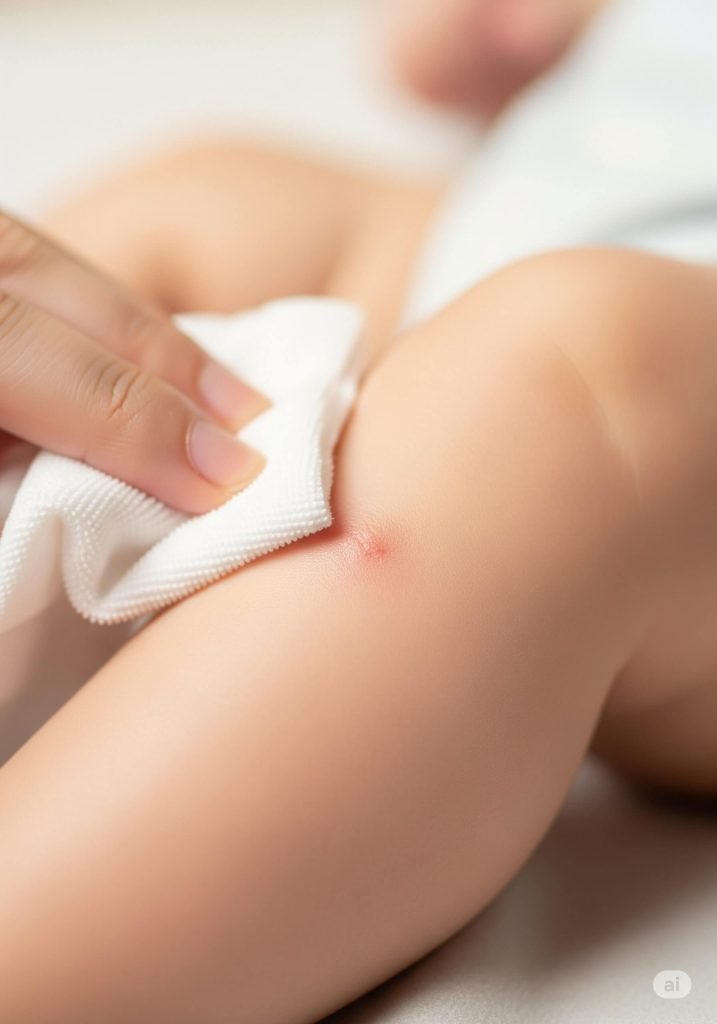
- Patch Test New Wipes: Before using a new brand of wipes all over your baby, test a small area of their skin (e.g., on their arm or leg) for a day or two to observe any reaction.
Making an Informed Choice
Navigating the vast array of baby wipes can be overwhelming. However, by prioritizing “free from” lists and focusing on gentle, hydrating ingredients, you can confidently choose wipes that are safe and supportive for your baby’s eczema-prone skin. Remember, every baby’s skin is unique, so what works for one may not work for another. Patience and observation are key to finding the perfect solution for your little one’s comfort.