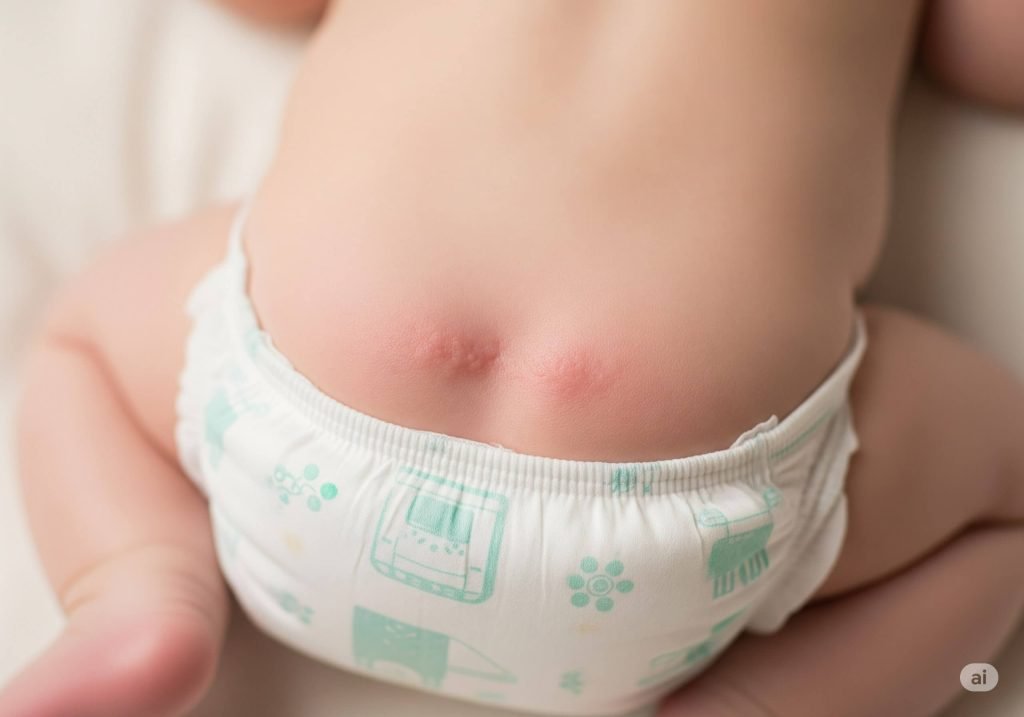
Diaper rash, also known as diaper dermatitis, primarily develops due to a combination of factors that irritate your baby’s sensitive skin in the diaper area. Let’s break down the main culprits:
1. Moisture: The Primary Culprit
The most significant factor contributing to diaper rash is prolonged exposure to moisture. A wet or soiled diaper creates a warm, damp environment that is an ideal breeding ground for irritation. Even the most absorbent diapers can’t completely eliminate moisture, and if left on for too long, the skin becomes macerated (softened and weakened by water), making it more susceptible to damage.
2. Friction: Rubbing and Chafing
Constant rubbing of the diaper against your baby’s delicate skin can cause friction, leading to irritation and breakdown of the skin barrier. This is especially true if the diaper is too tight or if your baby is particularly active. Each movement can contribute to chafing, creating tiny abrasions that allow irritants to penetrate more easily.
3. Irritants in Urine and Stool: The Chemical Attack
Urine and stool contain enzymes and chemicals that can be highly irritating to an infant’s skin.
- Urine: When urine breaks down, it releases ammonia, which can significantly raise the skin’s pH, making it more alkaline. This alkaline environment compromises the skin’s natural protective acidic mantle, leaving it vulnerable to irritation and infection.
- Stool: Feces, especially loose stools or those from a baby with diarrhea, contain digestive enzymes (like proteases and lipases) that can directly break down the skin’s protective layers, leading to inflammation and redness. The frequency of bowel movements also plays a role; the more often the skin is exposed to stool, the higher the risk of rash.
4. Infrequent Diaper Changes: The Accumulation Effect
Leaving a wet or soiled diaper on for too long allows moisture, friction, and irritants to accumulate, significantly increasing the likelihood and severity of diaper rash. Regular diaper changes are paramount in preventing the buildup of these harmful elements.
5. Sensitive Skin: A Genetic Predisposition
Some babies naturally have more sensitive skin than others, making them more prone to developing diaper rash. This can be due to genetic factors or underlying skin conditions like eczema. For these infants, even minor irritants can trigger a significant reaction.
6. Introduction of New Foods: Dietary Changes
As infants transition to solid foods, their stool composition changes, which can sometimes lead to temporary changes in bowel habits and stool acidity. This can make them more susceptible to diaper rash during this transitional period. Acidic foods, in particular, can sometimes contribute to irritation.
7. Antibiotics: Disrupting Gut Flora
If your baby is taking antibiotics, it can disrupt the natural balance of bacteria in their gut, leading to diarrhea. This increased frequency of bowel movements and altered stool consistency can significantly increase the risk of diaper rash. Additionally, antibiotics can sometimes lead to yeast overgrowth, which is another common cause of diaper rash.
8. Yeast (Candida) Infection: A Fungal Invader
A common complication of diaper rash, especially if it persists, is a yeast infection (Candida albicans). The warm, moist environment of a diaper creates perfect conditions for yeast to thrive. Yeast infections typically appear as bright red patches with distinct borders and small satellite lesions (smaller spots) around the main rash. They often don’t respond to regular diaper rash creams and require antifungal treatment.
9. Bacterial Infection: A Secondary Problem
Less common but still possible, bacterial infections can occur when the skin barrier is compromised by diaper rash. These often appear as yellowish crusts, pimples, or pus-filled blisters and may require antibiotic treatment.
10. Allergic Reactions: Unseen Triggers
While less common, some infants may develop an allergic reaction to certain ingredients in diapers, wipes, lotions, or laundry detergents. Fragrances, dyes, and preservatives are common culprits. If the rash appears shortly after introducing a new product, it might be an allergic reaction.
Preventing Diaper Rash: A Proactive Approach
Understanding “what causes diaper rash in infants” empowers you to take proactive steps to prevent it:
- Frequent Diaper Changes: This is the golden rule. Change wet or soiled diapers as soon as possible. Newborns may need changes every 1-3 hours, while older infants can go longer.
- Gentle Cleaning: Use warm water and a soft cloth, or fragrance-free, alcohol-free wipes. Always wipe from front to back to prevent the spread of bacteria.
- Thorough Drying: Gently pat the skin completely dry before putting on a new diaper. Air drying for a few minutes can also be beneficial.
- Diaper Rash Cream/Barrier Ointment: Apply a thick layer of a barrier cream containing zinc oxide or petroleum jelly at every diaper change. These create a protective barrier between the skin and irritants.
- Proper Diaper Fit: Ensure the diaper is snug but not too tight. A good fit prevents friction and allows for some air circulation.
- Allow for Air Exposure: Whenever possible, let your baby go diaper-free for short periods. This allows the skin to breathe and dry completely.
- Choose Absorbent Diapers: Opt for super-absorbent disposable diapers that wick away moisture effectively.
- Consider Cloth Diapers: If using cloth diapers, ensure they are washed thoroughly with a gentle, fragrance-free detergent and rinsed well to remove all detergent residue.
- Introduce New Foods Gradually: When introducing solids, do so one at a time and monitor for any changes in stool or skin irritation.
- Discuss Antibiotics with Your Pediatrician: If your baby is prescribed antibiotics, ask your pediatrician about strategies to minimize the risk of diaper rash, such as probiotics.
Treating Diaper Rash: When It Happens
Despite your best efforts, diaper rash can sometimes occur. Here’s how to manage it:
- Continue Frequent Diaper Changes: Even more crucial when a rash is present.
- Clean Gently: Be extra gentle when cleaning the affected area.
- Apply a Thick Layer of Barrier Cream: Zinc oxide or petroleum jelly based creams are effective.
- Consider Over-the-Counter Hydrocortisone Cream: For more stubborn rashes, a thin layer of 0.5% or 1% hydrocortisone cream (consult your pediatrician first) can help reduce inflammation.
- Antifungal Cream for Yeast Infections: If you suspect a yeast infection (bright red, well-demarcated rash with satellite lesions), your pediatrician may prescribe an antifungal cream like nystatin.
- When to See a Doctor: Consult your pediatrician if the rash worsens, doesn’t improve after a few days of home treatment, develops blisters, pus, or open sores, or if your baby develops a fever or seems unusually uncomfortable.
By understanding “what causes diaper rash in infants” and implementing these preventive and treatment strategies, you can keep your baby’s skin healthy and minimize discomfort. Remember, a happy baby often starts with comfortable skin!
FAQ: What Causes Diaper Rash in Infants?
Q1: What is the main cause of diaper rash?
A1: The main cause of diaper rash is prolonged exposure to moisture, friction from the diaper, and irritation from urine and stool, all contributing to a compromised skin barrier.
Q2: Can food cause diaper rash in infants?
A2: Yes, the introduction of new foods, especially acidic ones, can sometimes alter stool composition and acidity, contributing to diaper rash in some infants. Antibiotics can also indirectly cause it by disrupting gut flora.
Q3: How often should I change my baby’s diaper to prevent rash?
A3: It’s recommended to change your baby’s diaper as soon as it’s wet or soiled. For newborns, this might be every 1-3 hours, and for older infants, it depends on their feeding and bowel habits.
Q4: What are the signs of a yeast infection diaper rash?
A4: A yeast infection diaper rash typically presents as bright red, well-demarcated patches with raised borders and small “satellite” lesions (smaller red spots) around the main rash. It may not respond to regular diaper rash creams.
Q5: When should I be concerned about my baby’s diaper rash and see a doctor?
A5: You should see a doctor if the rash worsens despite home treatment, develops blisters, pus, open sores, or if your baby has a fever, seems unusually irritable, or you suspect a bacterial or yeast infection.