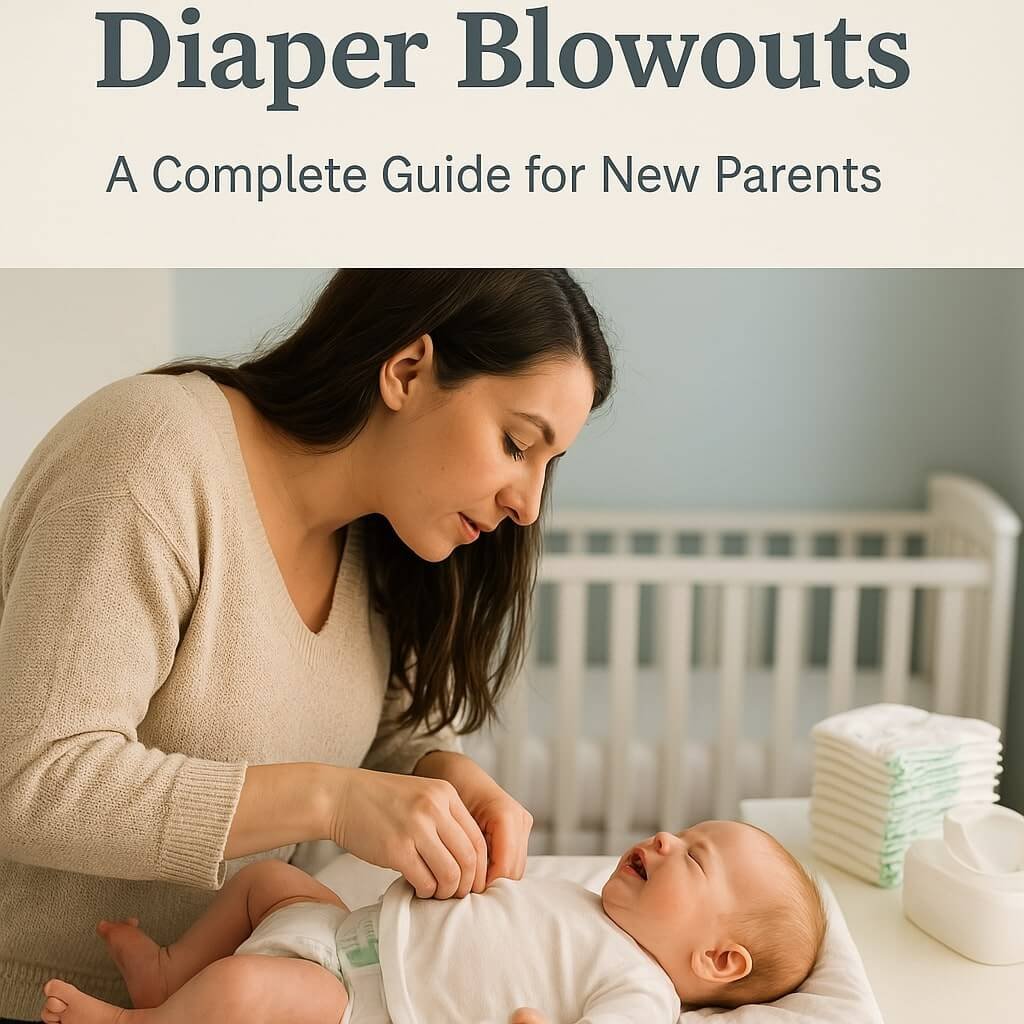
Diaper blowouts. Just reading those words can trigger flashbacks of stained onesies, emergency baths, and public embarrassment. Whether you’re a first-time parent or a seasoned caregiver, diaper blowouts are a messy part of life with a baby—but they don’t have to be inevitable.
In this guide, we’ll break down exactly what causes diaper blowouts, how to prevent them, and which products and hacks can keep your baby (and your furniture) clean and dry.
🧨 What Is a Diaper Blowout?
A diaper blowout occurs when poop escapes from the diaper—usually up the back or out the legs—due to poor fit, saturation, or pressure. It’s nature’s sneakiest baby booby trap.
🧐 Common Causes of Diaper Blowouts
Understanding why blowouts happen is key to stopping them. The most common culprits include:
- Wrong Diaper Size: If the diaper is too small or too loose, leaks are inevitable.
- Improper Fit: Gaps around the thighs or waistband leave room for disaster.
- Full Diapers: Overfilled diapers can’t absorb any more liquid or waste.
- Active Movement: Babies squirm, roll, and crawl—compressing the diaper in the process.
- Low-Quality Diapers: Budget brands often lack strong leak guards or sufficient padding.
✅ 10 Proven Tips to Prevent Diaper Blowouts
Here’s how to turn your baby into a blowout-free zone:
1. Choose the Right Diaper Size
Don’t guess—follow the weight guidelines on the diaper packaging. If your baby is between sizes, always size up for better coverage.
2. Check for a Snug Fit
Make sure the diaper fits firmly around the legs and waist without leaving marks. Run a finger along the edges to ensure the ruffles are pulled out—not tucked in.
3. Use Blowout Blockers or Extenders
Products like blowout blockers or diaper extenders add a layer of defense against up-the-back leaks.
4. Go High-Waisted
Position the back of the diaper slightly higher than the front. This creates a poop-catching slope—yes, that’s a thing.
5. Switch to Quality Diaper Brands
Some premium brands offer stronger waistbands, better absorbency, and superior leak guards. Sometimes you really do get what you pay for.
6. Change Diapers Frequently
Waiting too long between changes increases the risk of saturation and overflow. Change diapers every 2–3 hours or sooner if needed.
7. Try Overnight Diapers (Even During the Day)
These are designed to hold more liquid. If your baby is prone to blowouts, especially during naps, give these a shot.
8. Avoid Tight Clothing
Snug pants can compress the diaper and force contents out. Stick to loose-fitting rompers or gowns for better airflow and mobility.
9. Track Patterns
If blowouts happen consistently at a certain time (e.g., after feeding), plan for extra diaper checks during those periods.
10. Layer with a Diaper Cover
Reusable, waterproof diaper covers go over disposable diapers to catch leaks that sneak past the first barrier.
🧽 How to Clean Up After a Blowout
Even with the best efforts, blowouts happen. Here’s how to handle them like a pro:
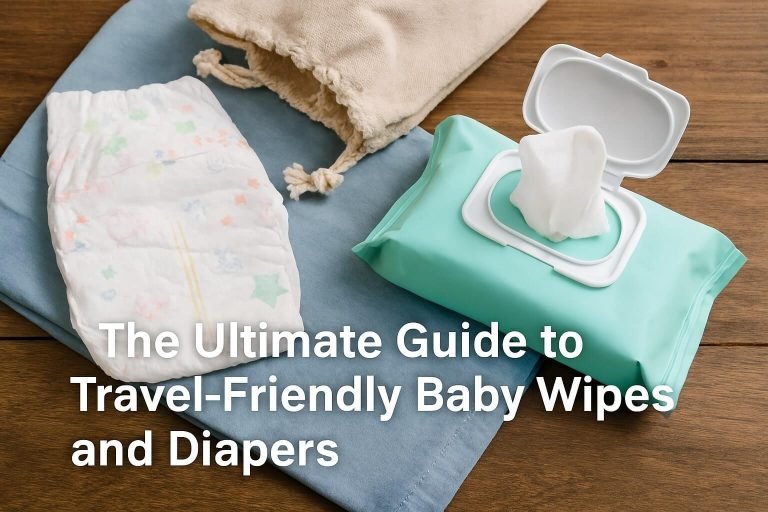
- Keep an Emergency Kit: Include wipes, extra diapers, plastic bags, and a spare outfit.
- Soak Stained Clothing Immediately: Use cold water and a baby-safe stain remover.
- Disinfect Surfaces: Use gentle antibacterial wipes on changing pads or car seats.
🧠 Final Thoughts
Diaper blowouts can test your patience and laundry skills, but they’re not unbeatable. With the right strategy, tools, and timing, you can significantly reduce the mess—and the stress.
Remember: It’s not about perfection. It’s about preparation.
❓ Frequently Asked Questions (FAQs)
Q1: What diaper brand is best to prevent blowouts?
A: Brands like Pampers Swaddlers, Huggies Little Snugglers, and Honest Company are known for strong leak protection and snug fits.
Q2: Should I size up to avoid blowouts?
A: Yes—if your baby is at the upper end of a diaper’s weight range or you notice frequent leaks, sizing up can help.
Q3: Can food or diet contribute to blowouts?
A: Absolutely. New foods, teething, or changes in diet can alter your baby’s stool consistency, increasing the blowout risk.
Q4: Are blowouts more common in breastfed babies?
A: Yes, especially in newborns. Breastfed babies often have looser stools, which can lead to more blowouts early on.