
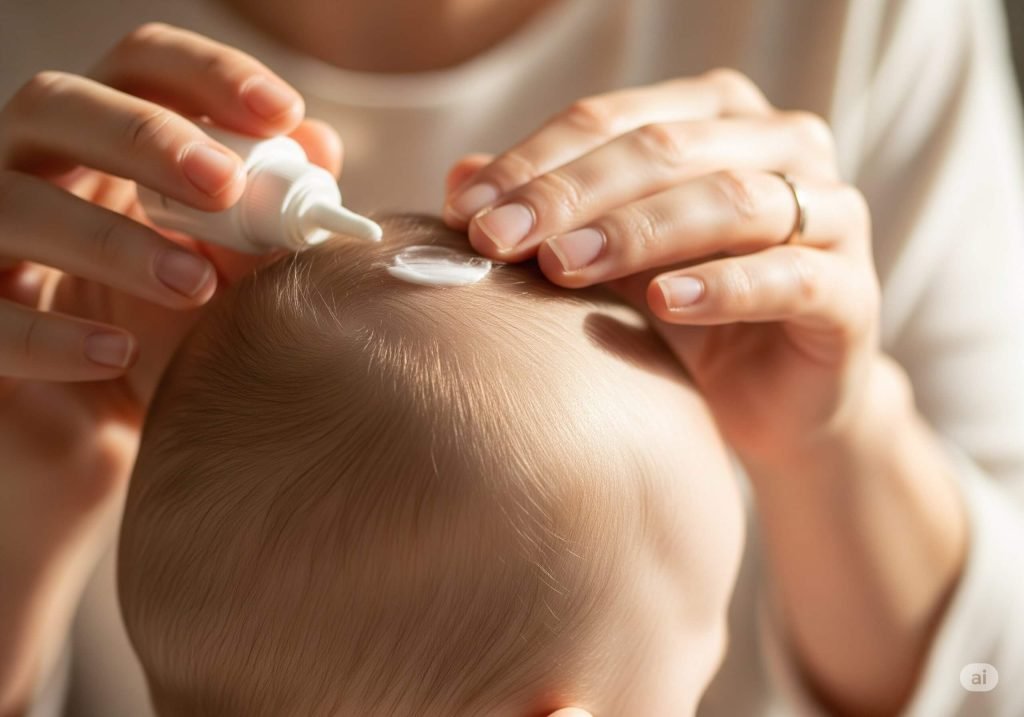
Conquering Cradle Cap: Your Guide to Gentle Treatment with Baby Moisturizer
As new parents, we meticulously prepare for every aspect of our baby’s arrival. We stock up on tiny clothes, endless diapers, and the softest blankets. Yet, amidst the joy and excitement, a common, often perplexing, skin condition can emerge: cradle cap. Those flaky, sometimes greasy, patches on your newborn’s scalp might look concerning, but rest assured, cradle cap is usually harmless and, thankfully, very treatable. And guess what? One of your best allies in this battle might already be in your baby’s changing bag: a good quality baby moisturizer.
This comprehensive guide will walk you through everything you need to know about cradle cap, from its causes to, most importantly, how to effectively and gently treat it using baby moisturizer.
What Exactly Is Cradle Cap?
Medically known as infantile seborrheic dermatitis, cradle cap presents as scaly, greasy patches on a baby’s scalp. While typically yellow or brown, it can sometimes appear red, especially if irritated. It’s important to note that despite its appearance, cradle cap is not a sign of poor hygiene, nor is it contagious. It’s also generally not itchy or uncomfortable for your baby, though severe cases can sometimes cause mild irritation.
Cradle cap can appear in the first few weeks of life and typically resolves on its own within a few months, though some babies may experience it for up to a year. While it primarily affects the scalp, in rare cases, it can also appear on the eyebrows, eyelids, ears, or even in the diaper area.
What Causes Cradle Cap?
The exact cause of cradle cap isn’t fully understood, but it’s believed to be linked to overactive oil glands (sebaceous glands) in your baby’s skin. These glands produce sebum, a natural oil. In newborns, hormonal changes from the mother during pregnancy can stimulate these glands, leading to an excess production of sebum. This excess oil, combined with dead skin cells, gets trapped on the scalp, forming those characteristic scales.
Another contributing factor might be a type of yeast called Malassezia, which lives naturally on the skin. While usually harmless, an overgrowth of this yeast in the presence of excess sebum can sometimes worsen cradle cap.
Why Choose Baby Moisturizer for Cradle Cap Treatment?
When faced with flaky scales on your baby’s head, your first instinct might be to reach for harsh cleansers or even try to pick them off. However, these approaches can irritate your baby’s delicate skin and even lead to infection. This is where baby moisturizer shines as a gentle yet highly effective treatment option.
Here’s why baby moisturizer is a fantastic choice:
- Softens the Scales: The primary benefit of baby moisturizer is its ability to deeply hydrate and soften the dry, flaky scales. This makes them much easier to loosen and remove without force.
- Gentle and Safe: Baby moisturizers are specifically formulated for sensitive skin. They are typically free from harsh chemicals, fragrances, and dyes that could irritate your baby’s scalp.
- Nourishes the Skin: Beyond just softening, moisturizers help to nourish and protect the delicate skin underneath the scales, promoting a healthier scalp environment.
- Readily Available: You likely already have baby moisturizer at home, making it a convenient and cost-effective solution.
Step-by-Step Guide: Treating Cradle Cap with Baby Moisturizer
Treating cradle cap with baby moisturizer is a simple, multi-step process that requires patience and consistency. Here’s how to do it:
Step 1: Choose the Right Moisturizer
Opt for a hypoallergenic, fragrance-free, and pediatrician-recommended baby moisturizer. Lotions, creams, or even natural oils like coconut oil or almond oil can work wonders. Look for products designed for sensitive skin or eczema-prone skin, as these are often extra gentle.
Step 2: Apply Generously and Let it Soak
Before bath time, gently massage a generous amount of baby moisturizer directly onto your baby’s scalp, focusing on the affected areas. Make sure to cover all the scales. The key here is to allow the moisturizer ample time to penetrate and soften the scales. Aim for at least 15-30 minutes, or even longer – some parents find leaving it on for a few hours, or even overnight (with a hat to prevent mess), works best for stubborn cases.
Step 3: Gently Loosen the Scales
After the moisturizer has had time to work its magic, use a soft-bristled baby brush, a fine-toothed comb (specifically designed for babies), or even a soft washcloth to gently brush or comb the scales away. Be extremely gentle – you are aiming to lift the softened scales, not to scrape or pull them off. Work in small sections, always brushing in the direction of hair growth. If scales don’t come off easily, don’t force them. Reapply moisturizer and try again later.
Step 4: Wash Your Baby’s Hair
Once you’ve loosened the scales, it’s time to wash your baby’s hair. Use a mild, tear-free baby shampoo. Gently lather and rinse thoroughly to remove the loosened scales and any excess moisturizer.
Step 5: Pat Dry and Re-moisturize (Optional)
After washing, gently pat your baby’s scalp dry with a soft towel. You can apply a small amount of baby moisturizer again to keep the scalp hydrated and prevent new scales from forming.
Frequency of Treatment:
For mild cradle cap, you might only need to do this a few times a week. For more persistent cases, you can repeat this process daily until the scales disappear. Once clear, you can continue with regular shampooing and occasional moisturizing to prevent recurrence.
Important Tips and Considerations:
- Be Patient: Cradle cap doesn’t disappear overnight. Consistency is key.
- Never Pick or Scratch: This can irritate the scalp, cause bleeding, and introduce infection.
- Avoid Harsh Products: Steer clear of adult shampoos, medicated shampoos (unless prescribed by a pediatrician), or any products containing alcohol, fragrances, or strong chemicals.
- Keep Nails Trimmed: If your baby tends to scratch their head, keep their nails short to prevent accidental irritation.
- Consult Your Pediatrician: While cradle cap is usually harmless, it’s always a good idea to consult your pediatrician if:
- The scales are spreading beyond the scalp.
- The skin appears red, swollen, or infected.
- The cradle cap is itchy or bothers your baby.
- You’re concerned about the severity or persistent nature of the condition. Your pediatrician can rule out other skin conditions and, if necessary, prescribe a stronger treatment.
Beyond Treatment: Preventing Recurrence
Once you’ve successfully treated cradle cap, you can take steps to minimize its chances of returning:
- Regular Hair Washing: Wash your baby’s hair every few days with a mild baby shampoo. This helps to prevent the buildup of oils and dead skin cells.
- Gentle Brushing: After each wash, gently brush your baby’s hair with a soft brush to help lift any loose flakes.
- Maintain Hydration: If your baby’s scalp tends to be dry, a light application of baby moisturizer after baths can help maintain skin health.
By embracing the power of gentle baby moisturizer, you can effectively and safely help your little one achieve a healthy, flake-free scalp. It’s a simple, nurturing approach that allows you to address cradle cap with confidence and care, ensuring your baby’s comfort and well-being.
Frequently Asked Questions (FAQs) about Cradle Cap Treatment with Baby Moisturizer
Here are some common questions parents ask about using baby moisturizer for cradle cap:
1. Is baby moisturizer safe for my newborn’s delicate scalp?
- Meta Description for FAQ: Concerned about using baby moisturizer on your newborn’s scalp for cradle cap? Discover why pediatrician-recommended, fragrance-free baby moisturizers are safe and effective.
- Answer: Absolutely! When choosing a pediatrician-recommended, hypoallergenic, and fragrance-free baby moisturizer, it is perfectly safe for your newborn’s delicate scalp. These products are specifically formulated to be gentle and non-irritating for sensitive baby skin. Always do a patch test first if you have concerns.
2. How long does it take for cradle cap to disappear with baby moisturizer treatment?
- Meta Description for FAQ: Wondering how quickly baby moisturizer can clear cradle cap? Learn about typical treatment timelines and what to expect for your baby’s scalp.
- Answer: The time it takes for cradle cap to disappear can vary. For mild cases, you might see significant improvement within a few days to a week of consistent daily treatment. More stubborn cases might require several weeks of regular application and gentle removal. Patience and consistency are key to successful treatment.
3. Can I use natural oils like coconut oil instead of baby moisturizer for cradle cap?
- Meta Description for FAQ: Explore natural alternatives like coconut oil for cradle cap treatment. Find out if they’re as effective as commercial baby moisturizers for your little one’s scalp.
- Answer: Yes, many parents find natural oils like virgin coconut oil, almond oil, or olive oil to be very effective alternatives to commercial baby moisturizers for cradle cap. These oils are excellent at softening the scales. The application method remains the same: apply generously, let it soak, gently loosen scales, and then wash.
4. Will treating cradle cap with baby moisturizer affect my baby’s hair growth?
- Meta Description for FAQ: Worried about cradle cap treatment impacting hair growth? Understand how gentle moisturization helps clear scales without affecting your baby’s developing hair.
- Answer: No, treating cradle cap with baby moisturizer will not negatively affect your baby’s hair growth. In fact, by clearing the scales and promoting a healthier scalp environment, you are providing a better foundation for healthy hair to grow. Cradle cap itself can sometimes cause temporary hair loss in affected areas, but new hair typically grows back once the condition resolves.
5. When should I consult a doctor about my baby’s cradle cap?
- Meta Description for FAQ: When is it time to see a doctor for cradle cap? Learn the signs that indicate professional medical advice is needed for your baby’s scalp condition.
- Answer: While cradle cap is usually a mild condition, you should consult your pediatrician if:
- The scales appear red, swollen, or inflamed.
- There is any bleeding, pus, or signs of infection.
- The cradle cap is spreading beyond the scalp to other parts of the body.
- Your baby seems uncomfortable, itchy, or the condition is bothering them.
- Home treatments with baby moisturizer are not showing any improvement after consistent effort. Your pediatrician can offer alternative treatments or rule out other skin conditions.