
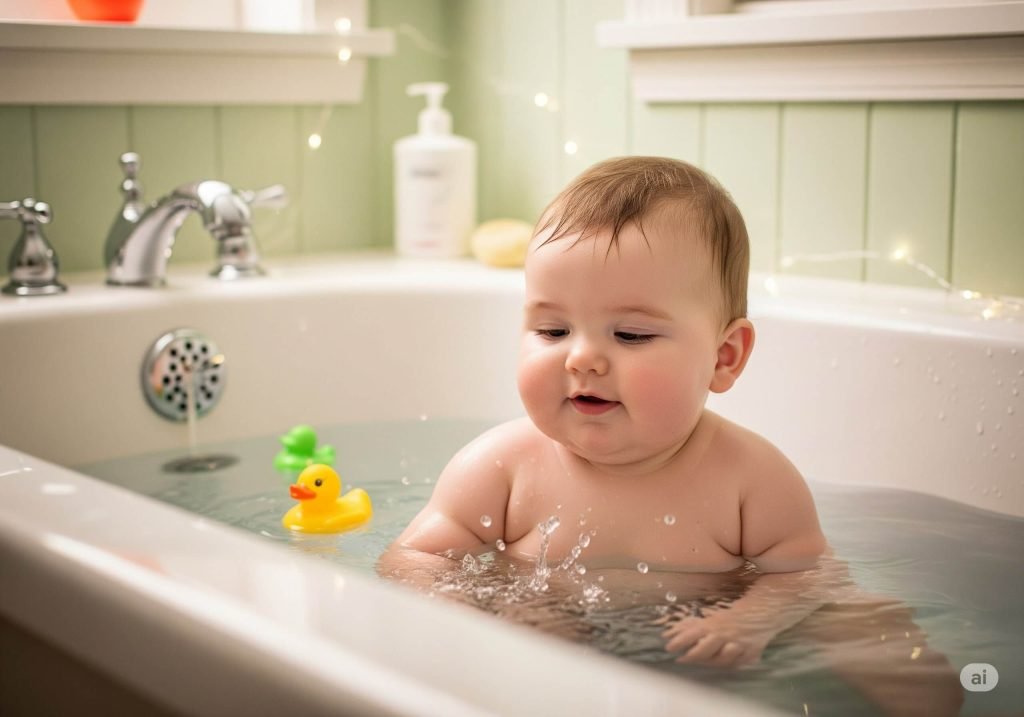
As the sun begins to set and the day winds down, many parents find themselves searching for that magical ingredient to ensure a peaceful night’s sleep for their little one. While lullabies and cuddles are essential, there’s one simple, time-honored practice that can transform bedtime into a truly serene experience: the baby bath. Far more than just about getting clean, a well-planned baby bath routine for bedtime can be a powerful tool for relaxation, bonding, and signaling to your baby that it’s time to prepare for sleep.
In this comprehensive guide, we’ll dive deep into crafting the perfect baby bath routine, exploring everything from the ideal water temperature to gentle massage techniques, all designed to usher your baby into a night of sweet dreams. Get ready to turn bath time into blissful “sleepy time”!
Why a Bedtime Bath is More Than Just Hygiene
Before we get into the “how-to,” let’s understand the “why.” A warm bath before bed offers a multitude of benefits for both baby and parent:
- Temperature Regulation: A warm bath slightly raises your baby’s body temperature. As they cool down afterward, this subtle drop in temperature mimics the body’s natural sleep cues, signaling to their tiny internal clock that it’s time to wind down.
- Relaxation and Soothing: The gentle warmth of the water, combined with your soothing touch, can melt away any tension or overstimulation from the day. It’s a sensory experience that calms the nervous system.
- Routine and Predictability: Babies thrive on routine. A consistent bath at the same time each evening creates a predictable sequence of events, helping them anticipate sleep and feel secure. This predictability is a cornerstone of good sleep hygiene.
- Sensory Stimulation (Positive): The feel of water, the gentle sounds, and the soft towels provide positive sensory input, promoting healthy development while simultaneously preparing them for rest.
- Bonding Opportunity: Bath time is a wonderful chance for skin-to-skin contact, gentle play, and quiet conversation. This uninterrupted one-on-one time strengthens the parent-child bond, fostering a sense of love and security.
- Cleansing (of course!): While relaxation is paramount, let’s not forget the practical benefit of cleaning away the day’s grime, preparing your baby for a fresh night’s sleep.
Crafting the Perfect Baby Bath Routine for Bedtime: A Step-by-Step Guide
The key to a successful bedtime bath routine lies in consistency and creating a calm, soothing atmosphere. Here’s how to do it:
Step 1: Preparation is Key (15 Minutes Before)
- Gather Your Supplies: Have everything within arm’s reach before you start. This includes:
- Baby bathtub (or a clean sink with a mat for newborns)
- Soft baby washcloths
- Mild, tear-free baby soap/shampoo
- Two soft, hooded towels (one for drying, one for wrapping immediately)
- Fresh diaper
- Pajamas/sleep sack
- Baby lotion or oil (fragrance-free or with a calming scent like lavender)
- Any other comfort items (e.g., pacifier, favorite lovey)
- Warm the Room: Ensure the bathroom is comfortably warm, around 75-80°F (24-27°C), to prevent your baby from getting chilled.
- Prepare the Water: Fill the tub with 2-4 inches of warm water. The ideal temperature is between 98.6-100°F (37-38°C), or simply test it with your elbow or a bath thermometer – it should feel comfortably warm, not hot.
Step 2: Gentle Immersion and Wash (5-10 Minutes)
- Calm Entry: Gently lower your baby into the water, feet first, supporting their head and neck at all times. Talk to them in a soft, soothing voice.
- Wash from Top to Bottom:
- Face: Use a damp washcloth with plain water to gently wipe their face, avoiding soap around the eyes.
- Hair: Apply a tiny drop of tear-free shampoo, gently lather, and rinse with a cup or washcloth, tilting their head back slightly.
- Body: Using a small amount of baby soap on a washcloth, gently clean their neck folds, armpits, behind the knees, and diaper area. Always wipe from front to back for girls.
- Keep it Brief: For newborns and young infants, a bath doesn’t need to be long. 5-10 minutes is usually sufficient to get clean and enjoy the warmth without getting pruney or chilled.
Step 3: Post-Bath Bliss: Dry, Moisturize & Massage (5-10 Minutes)
- Immediate Drying: As soon as you lift your baby from the tub, wrap them immediately in a warm, soft hooded towel. Gently pat them dry, paying special attention to skin folds to prevent irritation.
- The Power of Touch (Massage): Once dry, place your baby on a clean towel or changing pad. This is an ideal time for a gentle baby massage.
- Warm a small amount of fragrance-free baby lotion or oil in your hands.
- Start with their feet and legs, using long, smooth strokes upwards.
- Move to their arms, chest, and belly (clockwise gentle circles).
- Finish with their back, stroking downwards from their neck to their bottom.
- Observe your baby’s cues. If they seem uncomfortable, stop.
- Massage helps improve circulation, soothe muscles, and deepen the sense of relaxation.
- Diaper and Pajamas: Put on a fresh diaper and comfortable, soft pajamas or a sleep sack. Avoid anything too restrictive or with tags that might irritate their skin.
Step 4: Wind-Down and Bedtime (10-15 Minutes)
- Dim the Lights: Move to a dimly lit nursery or bedroom. Avoid bright overhead lights.
- Quiet Activities: Engage in quiet, calming activities. This might include:
- Reading a short story
- Singing a gentle lullaby
- Soft cuddles and rocking
- A final feeding (if it fits into your routine)
- Into the Crib: Gently place your baby in their crib when they are drowsy but still awake. This helps them learn to self-soothe and associate their crib with sleep.
Tips for Success
- Consistency is Key: Try to perform the bath routine at the same time every evening, ideally 30-60 minutes before their desired bedtime.
- Read Your Baby’s Cues: Every baby is different. Some love baths; others might need more time to adjust. If your baby seems distressed, try shorter baths or a sponge bath.
- Safety First: Never leave your baby unattended in the bath, even for a second.
- Warmth is Essential: A cold baby is an unhappy baby. Ensure the room and water are warm, and have towels ready.
- Keep it Calm: Avoid loud noises or overstimulation during bath time. This is a winding-down activity.
- Involve Your Partner: Bath time can be a wonderful shared experience for parents.
Troubleshooting Common Challenges
- Baby Hates Baths: If your baby fusses during baths, try making the water warmer (but still safe), singing more, or using a baby bath seat for added security. Sometimes, starting with sponge baths and gradually transitioning to a tub works best.
- Too Energized After Bath: If your baby seems invigorated, not sleepy, after the bath, try moving the bath time earlier in the evening, allowing more time for the wind-down period before bed. Ensure the post-bath activities are consistently calm.
Conclusion
A consistent baby bath routine for bedtime is a precious gift you can give your little one. It’s a ritual that signifies the end of the day, a time for gentle cleansing, soothing touch, and loving connection. By creating this predictable and calming sequence of events, you’re not just getting your baby clean; you’re building a foundation for healthy sleep habits, nurturing their development, and cherishing those precious moments of closeness. So, draw that warm bath, dim the lights, and prepare to embark on a journey towards a night of sweet dreams for your cherished little one.
Frequently Asked Questions (FAQs)
What is the ideal water temperature for a baby’s bath?
Meta Description: Discover the perfect water temperature for your baby’s bath to ensure safety and comfort, promoting a relaxing bedtime routine.
The ideal water temperature for a baby’s bath is between 98.6-100°F (37-38°C), which is approximately body temperature. Always use a bath thermometer or test the water with your elbow or the inside of your wrist – it should feel comfortably warm, not hot.
How often should I give my baby a bedtime bath?
Meta Description: Learn how frequently you should bathe your baby as part of their bedtime routine, balancing hygiene and maintaining skin health.
For newborns, 2-3 times a week is often sufficient, with daily “top and tail” washes (face, neck, hands, and diaper area). As they get older and become more mobile, you can increase it to daily or every other day if they enjoy it and it fits into your bedtime routine. Excessive bathing can dry out a baby’s delicate skin, so observe their skin for any dryness.
What are the best products to use for a baby’s bedtime bath?
Meta Description: Find out which gentle, tear-free baby products are best suited for a calming bath routine, prioritizing your baby’s sensitive skin.
Look for mild, tear-free baby wash and shampoo that are pH-neutral and free from harsh chemicals, dyes, and strong fragrances. Products specifically designed for sensitive skin or those with natural, calming ingredients like lavender can be beneficial. Always choose a fragrance-free or lightly scented baby lotion for post-bath massage.