
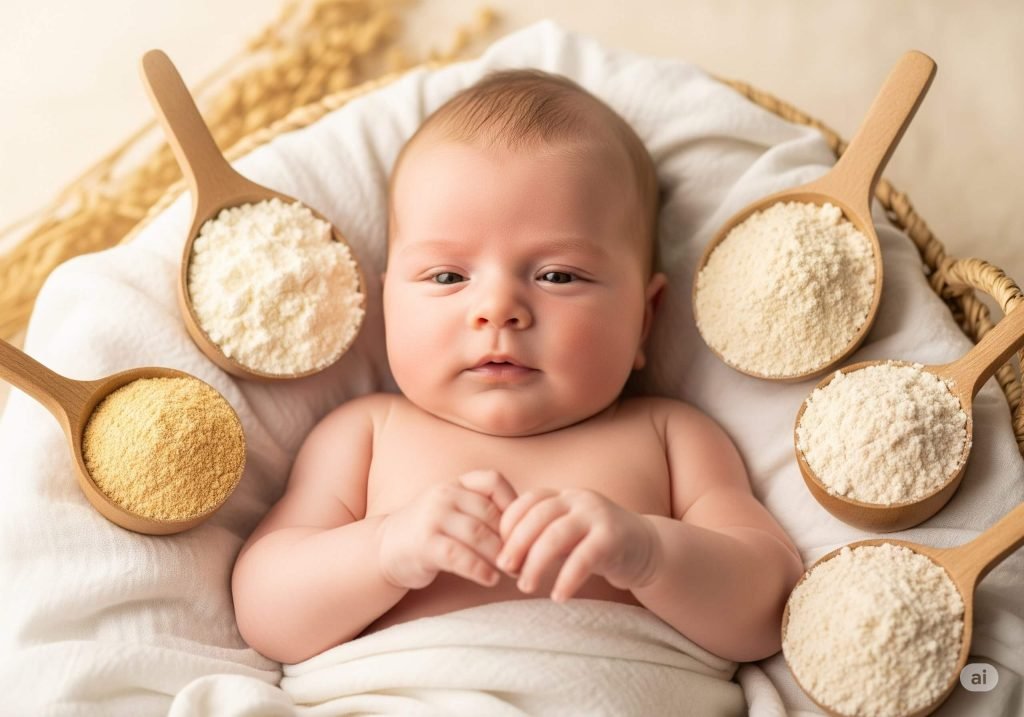
For generations, baby powder was a staple in nurseries, synonymous with soft skin and sweet scents. However, evolving research and growing parental awareness have shed light on potential concerns associated with traditional talc-based baby powders. Today, a new era of safe, natural, and highly effective alternatives is empowering parents to make informed choices for their little ones. This comprehensive guide will explore the compelling reasons to ditch talc and dive deep into the best baby powder alternatives, ensuring your baby’s delicate skin stays dry, comfortable, and healthy without compromise.
Why Reconsider Traditional Baby Powder? The Talc Talk
The primary concern with conventional baby powder lies in its main ingredient: talc. Talc is a mineral composed of magnesium, silicon, and oxygen. While it excels at absorbing moisture and reducing friction, its microscopic particles can pose several risks, particularly when inhaled.
- Respiratory Concerns: The extremely fine particles of talc can become airborne and easily inhaled by infants, whose developing lungs are especially vulnerable. This can lead to respiratory issues, including wheezing, coughing, and in more severe cases, conditions like talcosis or even pneumonia.
- Asbestos Contamination: Talc deposits in the earth can sometimes be found near asbestos, a known carcinogen. Although regulations aim to prevent contamination, the risk, however small, has fueled significant concern and legal action against manufacturers.
- Ovarian Cancer Link: Some studies have suggested a potential link between the long-term use of talc-based powders in the genital area and an increased risk of ovarian cancer in women. While research continues, many health experts advise caution.
Given these potential risks, it’s no wonder that parents are actively seeking safer, natural alternatives that offer the same benefits without the worry.
The Rise of Natural & Safe Alternatives: A Breath of Fresh Air for Baby’s Skin
The good news is that the market is brimming with fantastic talc-free baby powder alternatives. These options leverage the power of nature to absorb moisture, prevent chafing, and keep your baby’s skin feeling soft and fresh.
1. Cornstarch: The Pantry Powerhouse
Cornstarch is arguably the most popular and readily available alternative to talc. Derived from corn kernels, it boasts a finely milled texture that is excellent at absorbing moisture and reducing friction.
- Benefits: Highly absorbent, hypoallergenic, widely available, and generally very gentle on sensitive skin. It’s also an incredibly affordable option.
- How to Use: Apply a small amount to clean, dry skin, focusing on areas prone to moisture, such as diaper areas, skin folds, and under the chin.
- Important Note: While rare, some babies may have corn allergies. Observe your baby for any adverse reactions.
2. Arrowroot Powder: A Soothing Natural Choice
Extracted from the roots of the arrowroot plant, this finely textured powder is another excellent natural alternative. It shares many of cornstarch’s benefits but is a good option for those seeking a corn-free solution.
- Benefits: Gentle, soothing, highly absorbent, and derived from a natural, sustainable source.
- How to Use: Similar to cornstarch, apply sparingly to areas needing moisture absorption.
3. Tapioca Starch: Silky Smooth and Effective
Derived from the cassava root, tapioca starch offers a light and silky texture that makes it a superb choice for baby powder. It’s highly effective at absorbing moisture and leaves the skin feeling soft and smooth.
- Benefits: Excellent moisture absorption, smooth texture, non-irritating, and naturally derived.
- How to Use: Dust onto clean, dry skin as needed to combat dampness and chafing.
4. Oat Flour: More Than Just Breakfast
Finely ground from whole oats, oat flour might have a slightly coarser texture than other alternatives, but it’s incredibly soothing and beneficial for sensitive or irritated skin. It’s well-known for its anti-inflammatory properties.
- Benefits: Soothes irritated skin, hypoallergenic, helps control moisture, and offers skin-nourishing properties.
- How to Use: A light dusting can help manage moisture and calm skin, particularly for babies prone to eczema or dry patches.
5. Rice Starch: A Traditional Favorite
Before talcum powder became widespread, rice starch was commonly used as a cosmetic powder. Made from finely ground rice grains, it’s hypoallergenic and effective at absorbing moisture.
- Benefits: Hypoallergenic, soothing, absorbs moisture, and a great natural choice.
- Important Note: Some find that rice starch can sometimes “cake” more easily than other powders, so apply a very thin layer.
6. Kaolin Clay: The Gentle Absorber
Also known as China clay or cosmetic clay, kaolin clay is a mild, fine-grained clay that absorbs moisture without drying out the skin. It’s often found in natural cosmetic products due to its gentle properties.
- Benefits: Absorbs moisture effectively, non-drying, and gentle on delicate skin.
- How to Use: Can be used on its own or blended with other starches for an enhanced absorbent effect.
Beyond the Powders: Other Approaches to Keep Baby Dry
While powders are excellent for surface moisture, sometimes other strategies are needed, especially for persistent diaper rash or excessive dampness.
- Zinc Oxide Creams: Often the primary ingredient in diaper rash creams, zinc oxide creates a protective barrier on the skin, repelling moisture and promoting healing. It’s an excellent choice for preventing and treating diaper rash.
- Frequent Diaper Changes: The simplest and most effective way to prevent moisture-related skin issues is frequent diaper changes. Keeping your baby’s bottom clean and dry is paramount.
- Air Time: Allowing your baby to have some diaper-free time each day can do wonders for airing out the skin and preventing moisture buildup.
- Soft, Breathable Fabrics: Opt for clothing and diapers made from natural, breathable materials like cotton to promote air circulation and reduce sweat.
Making the Switch: Tips for Parents
Transitioning to baby powder alternatives is simple and straightforward:
- Patch Test: Before widespread use, apply a small amount of any new product to a discreet area of your baby’s skin (like a small patch on their leg) and wait 24 hours to check for any reaction.
- Apply Sparingly: A little goes a long way. Use just enough to absorb moisture, avoiding excessive dusting that could create a cloud of powder.
- Away from Face: Always apply powder away from your baby’s face to minimize inhalation. You can even apply it to your hands first and then gently pat it onto your baby’s skin.
- Read Labels: When purchasing commercial alternatives, always check the ingredient list to ensure they are truly talc-free and free from other undesirable additives like artificial fragrances or parabens.
By embracing these safe and effective baby powder alternatives, you can ensure your little one enjoys ultimate comfort and protection, all while having peace of mind.
Frequently Asked Questions (FAQ) about Baby Powder Alternatives
Q1: Why should I avoid traditional baby powder with talc?
Meta Description: Learn why talc-based baby powders are a concern due to potential respiratory issues and contamination risks. Answer: Traditional baby powder often contains talc, a mineral whose fine particles can be inhaled, posing respiratory risks to infants. Additionally, talc can sometimes be contaminated with asbestos, a known carcinogen, and some studies suggest a link between genital use and ovarian cancer. Opting for talc-free alternatives eliminates these concerns, prioritizing your baby’s health and safety.
Q2: What are the safest natural alternatives to baby powder?
Meta Description: Discover the safest natural baby powder alternatives like cornstarch, arrowroot, and tapioca starch for gentle skin care. Answer: The safest natural alternatives include cornstarch, arrowroot powder, tapioca starch, oat flour, and rice starch. These plant-based powders are highly absorbent, gentle on sensitive skin, and free from the potential risks associated with talc. Many parents also find kaolin clay to be a gentle and effective option.
Q3: Can I make my own DIY baby powder?
Meta Description: Find out how to create your own effective DIY baby powder using common household ingredients for a natural solution. Answer: Yes, absolutely! Many parents choose to make their own DIY baby powder. A simple and effective recipe often involves mixing cornstarch, arrowroot powder, or tapioca starch as the base. You can even add a small amount of calendula powder or chamomile powder for extra soothing properties, ensuring no essential oils are used due to infant sensitivity.
Q4: Are “talc-free” commercial baby powders truly safe?
Meta Description: Understand what “talc-free” means in commercial baby powders and how to choose safe, well-formulated products. Answer: “Talc-free” commercial baby powders are generally considered safe as they replace talc with alternative ingredients like cornstarch, arrowroot powder, or tapioca starch. However, it’s always wise to read the ingredient list carefully to ensure the product is free from other potentially irritating additives like synthetic fragrances, parabens, and dyes, especially for sensitive skin.