
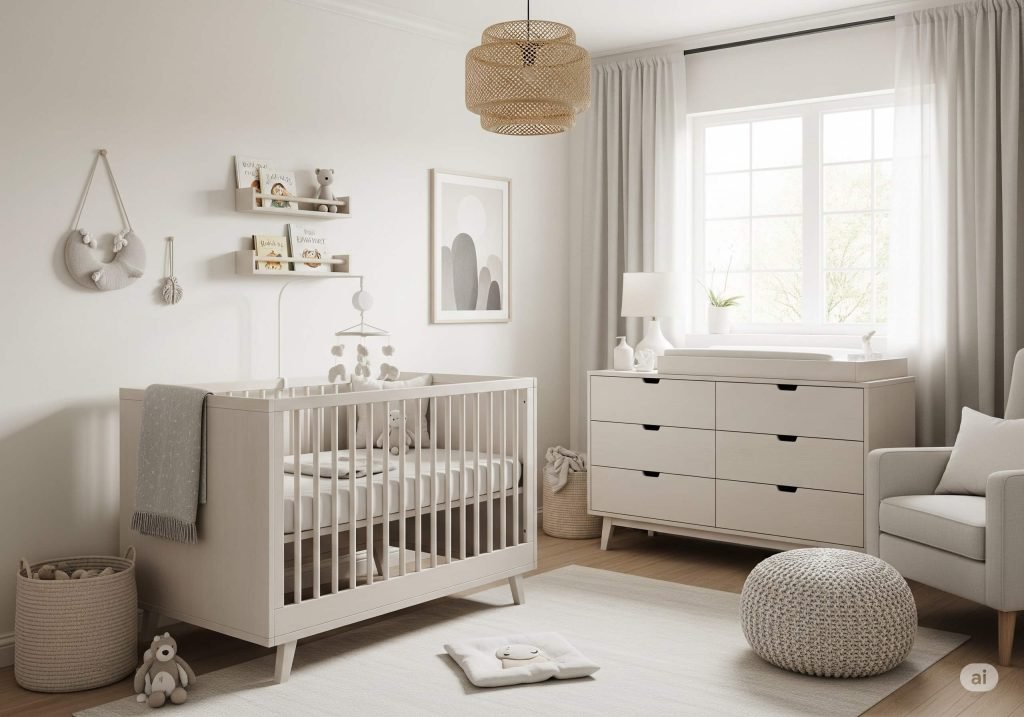
Welcoming a new baby is an incredibly exciting time, and setting up their nursery is a big part of the nesting process. However, the sheer volume of baby products and Pinterest-perfect rooms can quickly become overwhelming, both for your peace of mind and your wallet. The good news? You don’t need to spend a fortune to create a beautiful, functional, and serene space for your little one. Enter the minimalist nursery on a budget – a smart, stylish, and sustainable approach that prioritizes what truly matters.
In this comprehensive guide, we’ll dive deep into how you can design a gorgeous minimalist nursery without breaking the bank. We’ll cover everything from essential furniture choices to clever DIY decor, ensuring your baby’s haven is as practical as it is picture-perfect.
Why Go Minimalist? More Than Just Aesthetics
A minimalist nursery isn’t just about clean lines and sparse decor; it’s a philosophy that offers numerous benefits for both parents and baby:
- Cost-Effective: By focusing on essentials and multi-functional items, you naturally reduce spending on unnecessary gadgets and trendy decor that babies quickly outgrow.
- Calm & Soothing Environment: A clutter-free space reduces visual overstimulation, promoting better sleep and a more peaceful atmosphere for your baby.
- Easier to Maintain: Less stuff means less to clean, organize, and trip over. This is a huge win for tired new parents!
- Sustainable Choice: Opting for fewer, higher-quality items and embracing second-hand finds reduces your environmental footprint.
- Promotes Development: A simpler environment encourages focus and imaginative play, rather than overwhelming a baby with too many options.
Essential Elements of a Budget-Friendly Minimalist Nursery
Before you start shopping, make a list of absolute necessities. This helps prevent impulse buys and keeps you focused on your minimalist goals.
1. The Crib: Your Baby’s Sanctuary
The crib is arguably the most important piece of furniture. When on a budget, consider these options:
- Convertible Cribs: This is an excellent investment. A convertible crib transforms from a crib to a toddler bed, and often a daybed or even a full-sized bed frame, growing with your child for years. While the initial cost might be slightly higher than a basic crib, the long-term savings are significant. Look for sales or second-hand options in good condition.
- Second-Hand Cribs (with caution): You can find great deals on used cribs. However, safety is paramount. Ensure any used crib meets current safety standards (check for recalls!), has no missing or broken parts, and is not older than 10 years. Avoid drop-side cribs, as they are no longer considered safe.
- Mattress: Don’t skimp on a good, firm crib mattress. This is crucial for safe sleep. Look for sales or store brand options.
2. Changing Station: Functional & Flexible
A dedicated changing table isn’t always necessary, especially if space and budget are tight.
- Dresser as a Changing Table: This is a minimalist’s dream. A sturdy dresser with a changing pad secured to the top serves dual purposes. When your baby outgrows diapers, you still have a useful dresser. Look for a second-hand dresser and give it a fresh coat of low-VOC paint for an updated look.
- Portable Changing Pad: For ultimate flexibility, a portable changing pad can be used on any flat surface, from a bed to the floor. Pair it with a small basket or caddy for diapering essentials.
3. Storage Solutions: Hidden Gems
Clutter is the enemy of minimalism. Smart storage is your best friend.
- Baskets and Bins: Affordable and versatile, baskets and bins come in various sizes and materials (wicker, fabric, plastic). Use them in dressers, on shelves, or tucked under the crib to hide diapers, wipes, toys, and extra blankets.
- Wall-Mounted Shelves: Utilize vertical space for books, small decor items, or even folded clothes. Floating shelves offer a clean, minimalist look.
- Closet Organization: If your nursery has a closet, maximize its potential with simple shelves, hanging organizers, and clothing racks for baby’s tiny outfits.
- Under-Crib Storage: Many cribs offer built-in drawers, or you can use slim bins to slide under the crib for extra storage.
4. Seating: Comfort for You and Baby
A comfortable spot for feeding, cuddling, and reading is essential.
- Rocking Chair or Glider: While often an investment, a good quality glider can be a lifesaver during late-night feedings. Look for second-hand options, or consider a comfortable armchair you already own that can be easily moved into the nursery. Add a soft cushion and throw for comfort.
- Floor Cushion or Pouf: A large, comfortable floor cushion or pouf provides a cozy spot for reading or playing as your baby grows, and it’s much more budget-friendly and space-saving than a dedicated chair.
Decorating Your Minimalist Nursery on a Budget: Less Is More
The beauty of a minimalist nursery lies in its simplicity. Focus on quality over quantity and embrace DIY.
- Neutral Color Palette: Whites, grays, creams, and soft pastels create a serene and calming atmosphere. These timeless colors also make it easy to adapt the room as your child grows, without needing a complete redecoration.
- DIY Wall Art: Get creative! Frame simple prints, use removable wall decals (animals, stars, geometric shapes), or create your own abstract art with inexpensive canvases and paint. Consider a painted accent wall or a simple mural.
- Natural Elements: Incorporate warmth and texture with natural materials. Think a wooden mobile above the crib (DIY one from branches and felt!), a soft cotton or wool rug, or a small, non-toxic plant (placed safely out of reach).
- Lighting: Soft, warm lighting is key for a nursery. A simple floor lamp or a small table lamp with a dimmer can create a cozy ambiance. Blackout curtains are a must for daytime naps and can be found affordably.
- Personal Touches: Add a few meaningful items, like framed family photos, a special heirloom, or a handmade blanket. These add personality without clutter.
- Repurpose and Upcycle: Before buying new, look around your home or at thrift stores. An old bookshelf can be painted and repurposed, a vintage basket can become toy storage, or an existing piece of furniture can get a new lease on life with a fresh coat of paint and new hardware.
Smart Shopping Tips for Your Budget-Friendly Minimalist Nursery
- Shop Second-Hand: Facebook Marketplace, local consignment shops, and garage sales are treasure troves for gently used furniture, decor, and even baby clothes. Always inspect items thoroughly for safety and cleanliness.
- Wait for Sales: Major baby retailers often have seasonal sales or clearance events. Sign up for newsletters to be notified.
- DIY Where Possible: From wall art to storage solutions, many items can be made or customized at a fraction of the cost of buying new.
- Borrow or Receive Hand-Me-Downs: Friends and family often have baby items they no longer need. This is a fantastic way to save money and reduce waste.
- Prioritize Functionality: Every item in a minimalist nursery should serve a purpose. Ask yourself: Is this essential? Can it serve multiple functions?
- Start with Essentials, Add Later: You don’t need everything on day one. Focus on the core necessities (crib, changing area, basic storage) and add other items as you identify a real need.
Creating a minimalist nursery on a budget is not only achievable but also incredibly rewarding. By embracing simplicity, prioritizing functionality, and getting creative with your resources, you can design a beautiful, calm, and practical space where your little one can thrive, and you can enjoy the precious early days of parenthood without financial stress.