As new parents, every tiny detail about our precious newborns captures our attention. From their adorable coos to their delicate features, we marvel at every aspect. So, when little red bumps or pimples appear on their seemingly perfect skin, it’s natural to feel a surge of concern. This common phenomenon, known as baby acne (or neonatal acne), affects a significant number of newborns and can be a source of worry for many families. But take a deep breath – in most cases, baby acne is harmless, temporary, and can be effectively managed with gentle, at-home care.
In this comprehensive guide, we’ll delve into the world of baby acne, understanding its causes, what it looks like, and most importantly, providing you with a roadmap of safe and soothing home remedies to help your little one’s skin clear up.
What Exactly is Baby Acne?
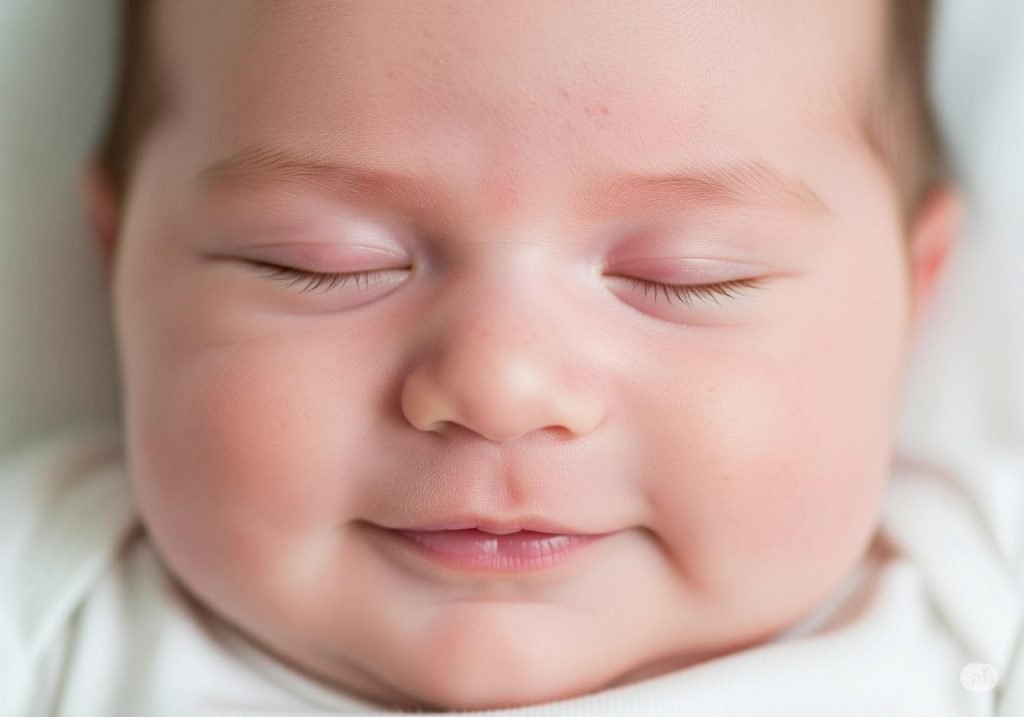
Baby acne typically presents as small red bumps, whiteheads, or pustules, most commonly appearing on the face (cheeks, nose, forehead, and chin), but can also sometimes extend to the scalp, neck, and even the chest or back. It usually emerges within the first few weeks of life, often around 2-4 weeks, and can sometimes be present at birth. While it might look similar to adolescent acne, the underlying causes are different.
The exact cause of baby acne isn’t fully understood, but it’s largely believed to be a result of hormonal fluctuations. During pregnancy, maternal hormones can pass to the baby through the placenta. These hormones can stimulate the baby’s oil glands, leading to an increase in sebum production, which can then clog pores and result in these small breakouts. Additionally, some theories suggest a role of certain yeasts naturally found on the skin.
It’s crucial to differentiate baby acne from other common infant skin conditions like milia (tiny white bumps caused by trapped skin flakes), heat rash (small red bumps due to blocked sweat ducts), or eczema. If you’re unsure, or if your baby’s skin seems particularly irritated or painful, always consult your pediatrician.
The “Less is More” Approach: Gentle At-Home Treatments
The good news is that baby acne is usually self-limiting, meaning it resolves on its own without aggressive intervention. Patience is key! Most cases clear up within a few weeks to a few months, typically by the time the baby is around 3-4 months old, and rarely leave scars. The principle of “less is more” truly applies here. Here are some effective and safe at-home treatments:
- Gentle Cleansing is Paramount: The cornerstone of baby acne care is keeping your baby’s skin clean.
- Warm Water Only: For most mild cases, simply washing your baby’s face once or twice a day with plain warm water is sufficient.
- Mild, Fragrance-Free Baby Soap (Optional): If you feel the need for a cleanser, opt for an extremely mild, fragrance-free, pH-balancing baby soap or a soap-free cleanser specifically designed for delicate infant skin. Your pediatrician can offer recommendations. Alternate between using plain water one day and water with a mild soap the next.
- Application Method: Use your fingertips or a very soft, clean cloth to gently wash the affected areas. Avoid scrubbing, rubbing, or using abrasive materials, as this can further irritate the sensitive skin and worsen the acne.
- Pat Dry: Always gently pat your baby’s skin dry with a soft, clean towel. Do not rub.
- Avoid Harsh Products: This is a critical point. Your baby’s skin is incredibly delicate and sensitive.
- No Adult Acne Products: Never use acne treatments, face washes, lotions, or creams designed for adults on your baby’s skin. Ingredients like retinoids, benzoyl peroxide, or strong acids are far too harsh for an infant’s skin and can cause severe irritation, dryness, and even chemical burns.
- Skip Oily Lotions and Creams: Rich, oily, or greasy lotions and creams can clog pores and exacerbate baby acne. It’s best to avoid them on affected areas. If your baby’s skin feels dry in other areas, use a very light, fragrance-free baby moisturizer.
- Resist the Urge to Squeeze or Pick: Just like with adult acne, picking, squeezing, or popping baby pimples can lead to inflammation, infection, and even scarring. It’s incredibly tempting, but it’s vital to leave the bumps alone and let them heal naturally.
- Keep the Area Clean and Dry:
- Clean Up Drool and Spit-Up: Baby’s often drool or spit up. Regularly and gently wipe away any milk, drool, or food residue from their face, especially around the mouth and chin, to prevent further irritation and potential breakouts.
- Breathable Fabrics: Dress your baby in soft, breathable clothing made from natural fibers like cotton. Avoid rough fabrics or wool that can rub against the skin and cause irritation. Ensure your baby isn’t overdressed, as overheating can sometimes contribute to skin issues.
- Breast Milk (Anecdotal Evidence): Some mothers have reported success with dabbing a small amount of breast milk on the affected areas. Breast milk is known for its natural antiseptic and healing properties. While there isn’t extensive scientific research supporting this for baby acne, it’s generally considered safe to try if you wish, as it’s a natural substance. However, always consult with your pediatrician or midwife first.
- Consider Environmental Factors:
- Laundry Detergent: Ensure you’re using a gentle, fragrance-free, dye-free laundry detergent for all of your baby’s clothing and bedding. Harsh detergents can irritate sensitive skin.
- Avoid Perfumes and Fragrances: Keep strong perfumes, colognes, and fragranced products away from your baby’s skin.
When to Consult a Doctor
While baby acne is usually benign, there are instances when it’s best to seek professional medical advice. Consult your pediatrician if:
- The acne persists beyond 3-4 months of age.
- The bumps appear inflamed, painful, or develop pus-filled cysts or blackheads.
- The rash spreads significantly or appears on areas other than the face/upper body.
- Your baby seems uncomfortable, itchy, or has a fever.
- You suspect the bumps might be another skin condition like eczema or an infection.
- The acne worsens despite consistent home care.
Your pediatrician can accurately diagnose the condition and rule out any other underlying issues. In rare cases of severe or persistent baby acne, they might recommend a mild topical cream or other specific treatments.
Patience and Gentle Care
Witnessing baby acne can be unsettling, but remember that it’s a very common and typically temporary phase in your baby’s development. With a “less is more” approach, consistent gentle cleansing, and avoiding harsh products, you can help your little one’s delicate skin clear up naturally. Embrace this journey with patience and provide your baby with the loving, gentle care they deserve.
Frequently Asked Questions (FAQ)
Q1: How long does baby acne typically last? A1: Baby acne usually clears up on its own within a few weeks to a few months, generally by the time your baby is around 3 to 4 months old.
Q2: Can I use adult acne creams on my baby’s acne? A2: No, absolutely not. Adult acne creams contain ingredients that are far too harsh for a baby’s delicate skin and can cause severe irritation or other adverse reactions. Stick to gentle, baby-specific care.
Q3: Is baby acne itchy or painful for my baby? A3: In most cases, baby acne is not itchy or painful for your baby. If your baby seems uncomfortable, itchy, or the bumps appear inflamed, it’s best to consult your pediatrician.
Q4: Can breast milk help treat baby acne? A4: Some mothers have anecdotally reported success with dabbing breast milk on baby acne due to its natural properties. While scientific evidence is limited, it’s generally considered safe to try after consulting with your pediatrician or midwife.
Q5: What’s the main cause of baby acne? A5: Baby acne is primarily thought to be caused by maternal hormones that are passed to the baby before birth, stimulating their oil glands.
Q6: When should I be concerned about my baby’s acne and see a doctor? A6: You should see a doctor if the acne persists beyond 3-4 months, appears inflamed, painful, develops pus-filled cysts, spreads extensively, or if your baby seems unwell.