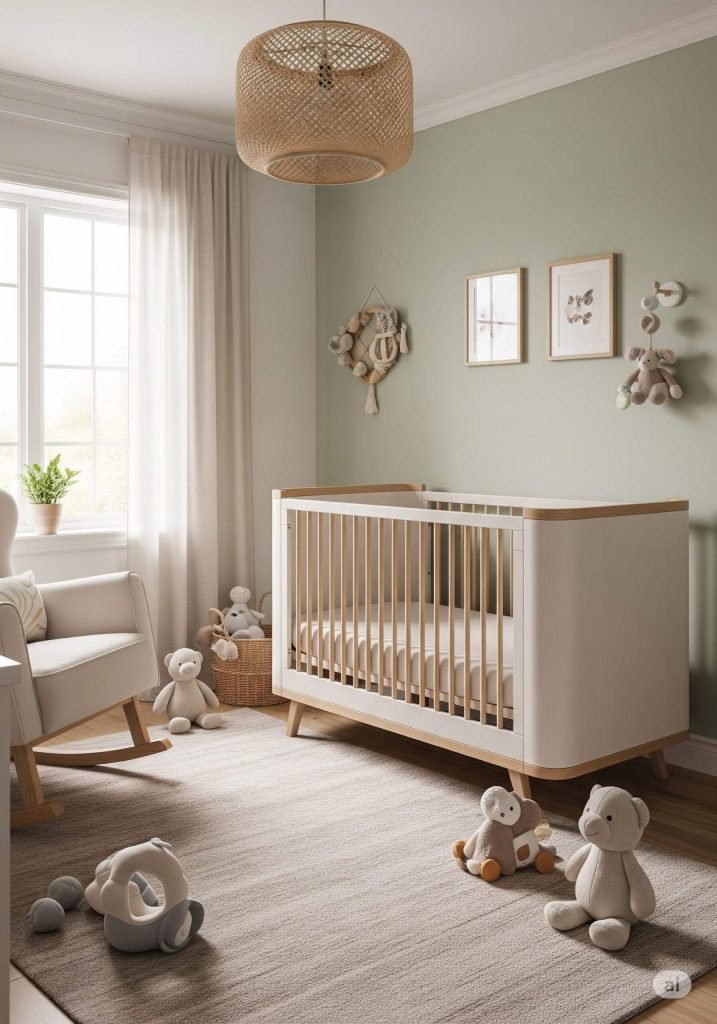
As expectant parents, the joy and anticipation of welcoming a new life fill our hearts. Along with the excitement comes a profound sense of responsibility, especially when it comes to creating a safe and nurturing environment for our little ones. The nursery, a haven of dreams and firsts, often takes center stage in this preparation. But amidst the adorable decor and tiny outfits, a crucial consideration often gets overlooked: the furniture.
Traditional baby furniture can sometimes harbor hidden dangers in the form of harmful chemicals, volatile organic compounds (VOCs), and questionable materials. These substances can off-gas into the air, potentially impacting your baby’s delicate respiratory system and overall health. This is precisely why more and more parents are turning to non-toxic baby furniture brands.
Choosing non-toxic furniture isn’t just a trend; it’s a commitment to your child’s well-being. It’s about ensuring their crib, dresser, and changing table are not just beautiful, but also genuinely safe. In this comprehensive guide, we’ll explore the benefits of non-toxic baby furniture, what to look for when buying, and highlight some of the leading brands dedicated to creating healthier nurseries.
Why Non-Toxic Matters: The Benefits Beyond Beauty
The allure of beautiful nursery furniture is undeniable, but the benefits of choosing non-toxic options extend far beyond aesthetics:
- Cleaner Indoor Air Quality: This is arguably the most significant benefit. Traditional furniture often contains VOCs like formaldehyde, found in adhesives and finishes, and flame retardants. These chemicals can off-gas for years, polluting the air your baby breathes. Non-toxic furniture significantly reduces or eliminates these harmful emissions, creating a healthier environment.
- Reduced Exposure to Harmful Chemicals: Babies spend a significant amount of time in their cribs and nurseries. They also tend to explore their surroundings with their mouths. Non-toxic furniture ensures that if your baby gnaws on a crib rail or touches a dresser surface, they aren’t exposed to lead, phthalates, or other toxic substances.
- Better for Your Baby’s Developing Systems: A baby’s respiratory, nervous, and immune systems are still developing and are far more vulnerable to chemical exposure than an adult’s. Minimizing this exposure can contribute to healthier growth and development.
- Durability and Longevity: Non-toxic furniture brands often prioritize solid wood construction and high-quality craftsmanship, leading to more durable pieces that can withstand the rigors of childhood and potentially be passed down through generations.
- Environmental Responsibility: Many non-toxic brands are committed to sustainable sourcing of materials, ethical manufacturing practices, and eco-friendly finishes, contributing to a healthier planet for your child’s future.
What to Look For: Decoding Non-Toxic Furniture
Navigating the world of “non-toxic” can be a bit overwhelming, as the term isn’t always regulated. Here’s what to prioritize when making your selection:
- Solid Wood Construction: Opt for furniture made from solid, kiln-dried hardwoods like maple, birch, cherry, or sustainably sourced pine. Avoid particleboard, MDF (medium-density fiberboard), and plywood that isn’t explicitly labeled as formaldehyde-free, as these engineered woods often use glues containing formaldehyde.
- Non-Toxic Finishes: This is crucial. Look for finishes that are water-based, low-VOC (Volatile Organic Compound), or zero-VOC. Natural oil finishes like linseed oil or beeswax are also excellent choices. Be wary of conventional paints and stains that can contain heavy metals and other harmful chemicals.
- Third-Party Certifications: Certifications provide an independent verification of a product’s safety and environmental impact. Look for:
- GREENGUARD Gold: This is a gold standard for indoor air quality, certifying products that have low chemical emissions.
- FSC (Forest Stewardship Council): Ensures wood is sourced from responsibly managed forests.
- JPMA (Juvenile Products Manufacturers Association): Signifies that products meet rigorous safety, performance, and functionality standards.
- ASTM International: Develops safety and functionality standards for a wide range of products, including baby gear.
- CPSIA (Consumer Product Safety Improvement Act): Federal safety regulations for products manufactured or sold in the U.S.
- OEKO-TEX Standard 100: Primarily for textiles, but can indicate fabrics used in furniture are free from harmful substances.
- MADE SAFE®: Certifies products made without harmful chemicals.
- Avoid Flame Retardants: Many traditional furniture pieces are treated with chemical flame retardants, which have been linked to various health issues. Look for brands that explicitly state their products are free of these. Natural materials like wool are naturally flame-resistant.
- No PVC or Phthalates: These plastics can off-gas harmful chemicals. Ensure any plastic components are free of these substances.
- Assembly and Off-Gassing: Even with non-toxic furniture, it’s a good idea to assemble it in a well-ventilated area and allow it to air out for a few days before placing it in the nursery.
Leading the Way: Top Non-Toxic Baby Furniture Brands
Here are some of the most reputable non-toxic baby furniture brands known for their commitment to safety, quality, and sustainable practices:
- Babyletto: A popular choice for modern parents, Babyletto offers stylish and convertible cribs and nursery furniture that are GREENGUARD Gold certified. They focus on sustainable materials and responsible manufacturing.
- Oeuf NYC: Known for their minimalist and eco-friendly designs, Oeuf uses FSC-certified wood and non-toxic finishes. Their furniture is built to last and often features convertible designs.
- DaVinci: A budget-friendly option that doesn’t compromise on safety. Many DaVinci cribs and dressers are GREENGUARD Gold certified and made from solid pine. They offer a wide range of styles.
- Nestig: Nestig stands out with its unique 3-in-1 convertible cribs and commitment to ethical, low-waste production. Their furniture is often handmade in Brazil with sustainable practices and beautiful, non-toxic finishes.
- Romina Furniture: Considered a premium brand, Romina Furniture is dedicated to producing heirloom-quality, 100% VOC-free solid wood furniture. They emphasize meticulous craftsmanship and the highest safety standards.
- Bloom: Founded by a group of dads, Bloom offers a range of innovative and modern nursery furniture pieces, including their popular Alma crib. Their products are made with sustainably sourced solid wood and non-toxic finishes.
- Green Cradle: This brand manufactures solid wood nursery furniture that is 100% VOC-free, making them a top choice for parents prioritizing the purest environment.
- Natart Juvenile & Nest Juvenile: These sister brands, often made in Canada, offer beautiful, high-quality, non-toxic baby furniture, with many pieces being GREENGUARD Gold certified.
- Silva Furniture: Another sister brand to Romina, Silva offers high-end cribs and furniture with a strong emphasis on non-toxic materials and finishes.
- West Elm: While not exclusively a baby furniture brand, West Elm offers a collection of sustainable and often GREENGUARD Gold certified cribs and nursery items, focusing on FSC-certified materials and fair trade practices.
Creating Your Safe Haven
Choosing non-toxic baby furniture is an investment in your child’s health and a conscious step towards creating a truly safe and nurturing nursery. By understanding what to look for and exploring brands committed to these high standards, you can breathe a little easier, knowing your little one is surrounded by furniture that is as wholesome as it is beautiful. Remember, a healthy start begins with a healthy environment.
FAQ: Non-Toxic Baby Furniture Brands
Q1: What makes baby furniture “non-toxic”? A1: Non-toxic baby furniture is primarily made from solid, natural woods and finished with low-VOC (Volatile Organic Compound) or zero-VOC paints and stains. It avoids harmful chemicals like formaldehyde, lead, phthalates, and chemical flame retardants commonly found in conventional furniture. The goal is to minimize off-gassing and exposure to hazardous substances, ensuring a healthier environment for your baby.
Q2: Why should I choose non-toxic baby furniture over conventional options? A2: Choosing non-toxic furniture reduces your baby’s exposure to airborne toxins and harmful chemicals that can off-gas from traditional furniture. This helps promote better indoor air quality, supports healthy respiratory and neurological development, and provides peace of mind that your baby is sleeping and playing in a safer environment, free from potentially irritating or dangerous substances.
Q3: What certifications should I look for when buying non-toxic baby furniture? A3: Key certifications to look for include GREENGUARD Gold (for low chemical emissions and improved indoor air quality), FSC (Forest Stewardship Council for sustainably sourced wood), JPMA (Juvenile Products Manufacturers Association for safety standards), and MADE SAFE® (for products made without harmful chemicals). These certifications provide independent verification of a brand’s commitment to safety and environmental responsibility.
Q4: Is non-toxic baby furniture more expensive? A4: While some premium non-toxic brands may have a higher upfront cost due to quality materials and ethical manufacturing, many brands offer competitively priced non-toxic options. Consider the long-term benefits of durability, convertibility (many cribs transition to toddler beds), and the invaluable peace of mind that comes with a healthier environment for your child.
Q5: How can I tell if furniture is off-gassing harmful chemicals? A5: A strong, new furniture smell (often described as “new car smell”) is a common indicator of off-gassing VOCs. While many non-toxic pieces have a natural wood scent, an overwhelming chemical odor suggests higher levels of VOCs. It’s always best to check for certifications and review material lists to ensure safety, and air out new furniture in a well-ventilated area before placing it in the nursery.