Cloth Diapers vs. Disposable: The Ultimate Comparison for Modern Parents
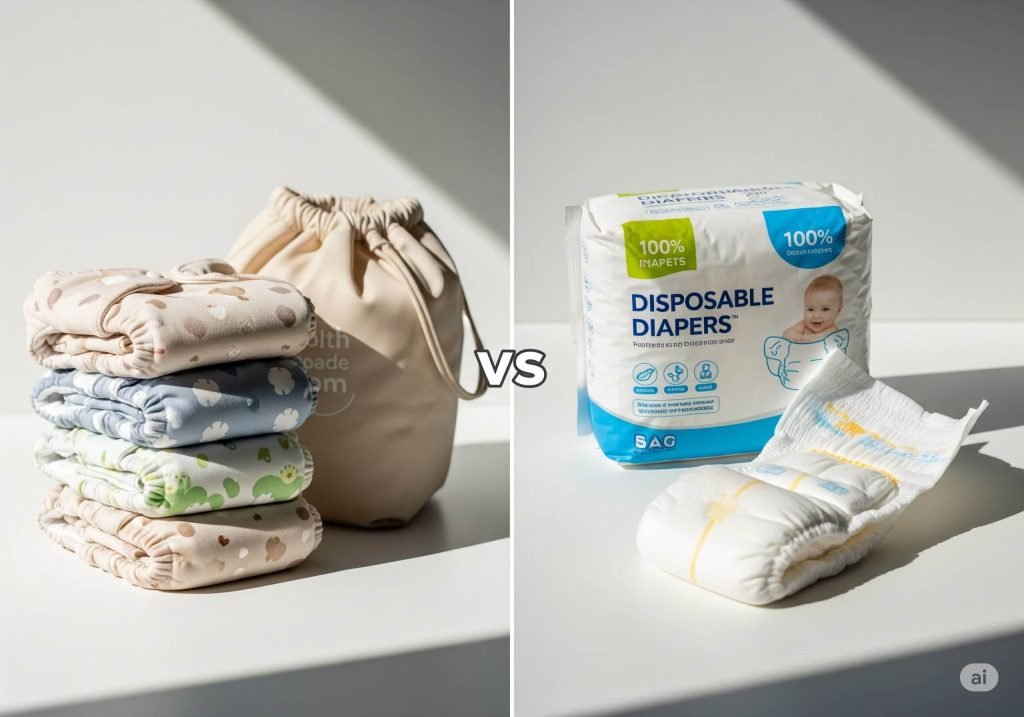
Choosing the right diaper for your baby is a significant decision. It’s not just about keeping your little one dry; it’s about considering costs, environmental impact, convenience, and even your baby’s health. For generations, disposable diapers have dominated the market, but cloth diapers are experiencing a resurgence. This comprehensive guide dives deep into the “cloth diapers vs disposable” debate, offering a balanced comparison to help you make an informed choice that best suits your family’s needs and values.
The Rise of Disposable Diapers: A History of Convenience
Disposable diapers, first widely introduced in the mid-20th century, revolutionized childcare. They offered unparalleled convenience, allowing parents to simply toss soiled diapers, saving time and effort on washing. This ease of use quickly made them the default choice for many families.
Modern disposable diapers are engineered for maximum absorbency, often utilizing super-absorbent polymers that can hold a significant amount of liquid. They are readily available in supermarkets, pharmacies, and online, making them a convenient grab-and-go option for busy parents. Their slim design also makes them discreet under clothing and easy to pack for outings.
Reclaiming a Classic: The Modern Cloth Diaper
Forget the image of bulky, pinned squares of yesteryear! Today’s cloth diapers are a far cry from their predecessors. They come in a variety of styles, including all-in-ones (AIOs), pockets, prefolds, and fitteds, often featuring adjustable snaps or Velcro closures for a snug fit. Made from materials like cotton, bamboo, and hemp, modern cloth diapers are designed for absorbency, breathability, and ease of use. Many even boast adorable patterns and colors, adding a touch of personal style to diaper changes.
The resurgence of cloth diapers is fueled by growing environmental awareness, a desire for cost savings, and concerns about chemicals in disposable products.
Head-to-Head: A Detailed Comparison
Let’s break down the key factors to consider when comparing cloth and disposable diapers:
1. Cost: The Long-Term Investment
At first glance, disposable diapers seem cheaper. You buy a pack, use them, and throw them away. However, the costs accumulate rapidly over a child’s diapering journey, which typically lasts around 2.5 to 3 years. A child can use anywhere from 6,000 to 7,000 disposable diapers, easily racking up expenses in the thousands of dollars.
Cloth diapers, while requiring a larger upfront investment for a full stash (diapers, covers, wet bags, pail liners), become significantly more cost-effective in the long run. They are reusable for multiple children and hold a good resale value. Factoring in water and electricity for washing, the overall cost of cloth diapering is often considerably less than disposables, potentially saving families hundreds or even thousands of dollars per child.
2. Environmental Impact: A Matter of Waste and Resources
This is often where the “cloth diapers vs disposable” debate gets heated.
Disposable Diapers:
- Landfill Burden: Disposable diapers are a massive contributor to landfill waste. A single disposable diaper can take up to 500 years to decompose. Billions of disposable diapers end up in landfills annually, making them the third-largest contributor to landfill waste globally.
- Resource Consumption: Their production consumes significant resources, including wood pulp, plastics, and chemicals. The manufacturing process also has a substantial carbon footprint.
- Waste Disposal: While most disposable diaper packaging recommends flushing feces, a vast majority of parents simply dispose of soiled diapers in the trash, leading to soil contamination in landfills.
Cloth Diapers:
- Reduced Waste: The most obvious environmental benefit is the drastic reduction in landfill waste. Since they are reusable, cloth diapers minimize the amount of trash generated by your household.
- Resource Use (Washing): The environmental impact of cloth diapers primarily comes from the water and energy used for washing. However, with efficient washing machines and drying practices (like line drying), this impact can be minimized.
- Material Sourcing: The environmental footprint of cloth diaper materials (like cotton or bamboo) also needs to be considered, as their cultivation and processing require water and energy. However, many brands offer organic and sustainably sourced options.
Ultimately, both options have an environmental footprint. However, cloth diapers generally offer a more sustainable choice due to their reusability and potential for a lower long-term carbon footprint, especially when considering the sheer volume of waste generated by disposables.
3. Health and Skin Sensitivity: What Touches Your Baby’s Skin?
A baby’s delicate skin is highly susceptible to irritation.
Disposable Diapers:
- Chemicals and Fragrances: Many disposable diapers contain synthetic materials, fragrances, dyes, and super-absorbent gels (like sodium polyacrylate) that can sometimes irritate sensitive skin, potentially leading to diaper rash or allergic reactions. Dioxins, a byproduct of the bleaching process, have also been a concern.
- Less Breathable: The highly absorbent nature of disposables can sometimes trap moisture and heat against the skin, creating a warm, damp environment that can encourage bacterial growth and contribute to diaper rash.
Cloth Diapers:
- Natural Materials: Cloth diapers are typically made from natural, breathable fabrics such as cotton, bamboo, or hemp. These materials are generally free from harsh chemicals, dyes, and fragrances, making them a gentler option for sensitive skin.
- Better Air Circulation: The natural fibers allow for better air circulation, which helps keep the baby’s skin dry and reduces the risk of moisture buildup, thereby minimizing the incidence of diaper rash.
- Awareness of Wetness: While modern cloth diapers are absorbent, babies tend to feel wetness more acutely in cloth than in disposables. This can lead to earlier recognition of bodily functions and potentially faster potty training.
4. Convenience and Lifestyle: Fitting Diapers into Your Day
This is where disposable diapers traditionally shine.
Disposable Diapers:
- Easy Disposal: The primary advantage is the “use and toss” convenience. This is particularly appealing for busy parents, travel, or situations where washing facilities are not readily available.
- Less Laundry: No extra laundry loads dedicated to diapers.
- Slim Profile: Generally thinner and less bulky under clothing.
Cloth Diapers:
- Laundry Routine: Cloth diapering requires a dedicated laundry routine. This involves storing soiled diapers (in a wet bag or dry pail), washing them every 2-3 days, and drying them.
- Initial Learning Curve: There’s a slight learning curve to understanding different cloth diaper types, washing routines, and fit.
- Bulkier: Cloth diapers can be slightly bulkier, especially certain styles, which might affect clothing fit.
- Travel Considerations: While manageable, cloth diapering on the go or during travel requires more planning, such as packing extra wet bags for soiled diapers. However, many services exist, including local cloth diaper laundry services in some areas.
The Verdict: Which is Right for You?
There’s no single “best” answer in the cloth diapers vs. disposable debate. The ideal choice depends entirely on your family’s priorities, lifestyle, and values.
- Choose Disposable Diapers if:
- Convenience and minimal effort are your top priorities.
- You travel frequently or have limited access to laundry facilities.
- The upfront cost of cloth diapers is a significant barrier.
- You prioritize a slimmer diaper profile.
- Choose Cloth Diapers if:
- Environmental impact and sustainability are major concerns.
- You are looking for long-term cost savings.
- Your baby has sensitive skin or frequently experiences diaper rash.
- You are comfortable with a regular laundry routine.
- You appreciate the idea of natural materials against your baby’s skin.
Many families also opt for a hybrid approach, using cloth diapers at home and disposables for outings, overnight, or during travel. This allows them to reap the benefits of both worlds.
Ultimately, educating yourself on the pros and cons of each option is the first step. Consider your daily routine, budget, environmental conscience, and most importantly, your baby’s comfort and health. Whichever path you choose, remember that a happy, healthy baby is the ultimate goal.