Bringing a new baby home is a whirlwind of joy, wonder, and a few healthy doses of anxiety. Among the many questions new parents ponder, one common concern often bubbles up: “What temperature is safe for my baby’s bath?” Getting it just right is crucial for your little one’s comfort and, more importantly, their safety.
You might think a quick elbow test is enough, but a baby’s skin is far more sensitive than an adult’s. What feels comfortably warm to you could be too hot for your tiny tot, potentially leading to burns. On the flip side, water that’s too cool can make them shiver and dread bath time. So, let’s dive into the specifics and ensure every bath is a soothing, safe, and happy experience for your precious bundle.
The Golden Rule: Lukewarm is Lovely
The universally recommended safe temperature for a baby’s bath is around 100°F (38°C). This is often described as lukewarm. It’s warm enough to prevent your baby from getting chilly but cool enough to prevent any risk of scalding. Think of it as close to your baby’s body temperature, creating a gentle and familiar environment.
Why Temperature Matters So Much
Understanding the “why” behind the 100°F recommendation can help reinforce its importance:
- Sensitive Skin: A baby’s skin is incredibly thin and delicate. It’s much more susceptible to burns than adult skin. Even water that feels only “quite warm” to you can cause a burn on a baby in a matter of seconds.
- Preventing Hypothermia: Conversely, water that’s too cold can lead to hypothermia, a dangerous drop in body temperature. Babies have less body fat and a larger surface area relative to their weight, making them more prone to losing heat rapidly.
- Comfort and Relaxation: A comfortably warm bath is a relaxing experience for a baby, promoting sleep and making bath time an enjoyable routine rather than a stressful one. If the water is too hot or too cold, your baby will likely be fussy and uncomfortable.
- Developing a Positive Routine: From an early age, positive experiences with water can help prevent a fear of bathing later on.
The Essential Tool: A Bath Thermometer
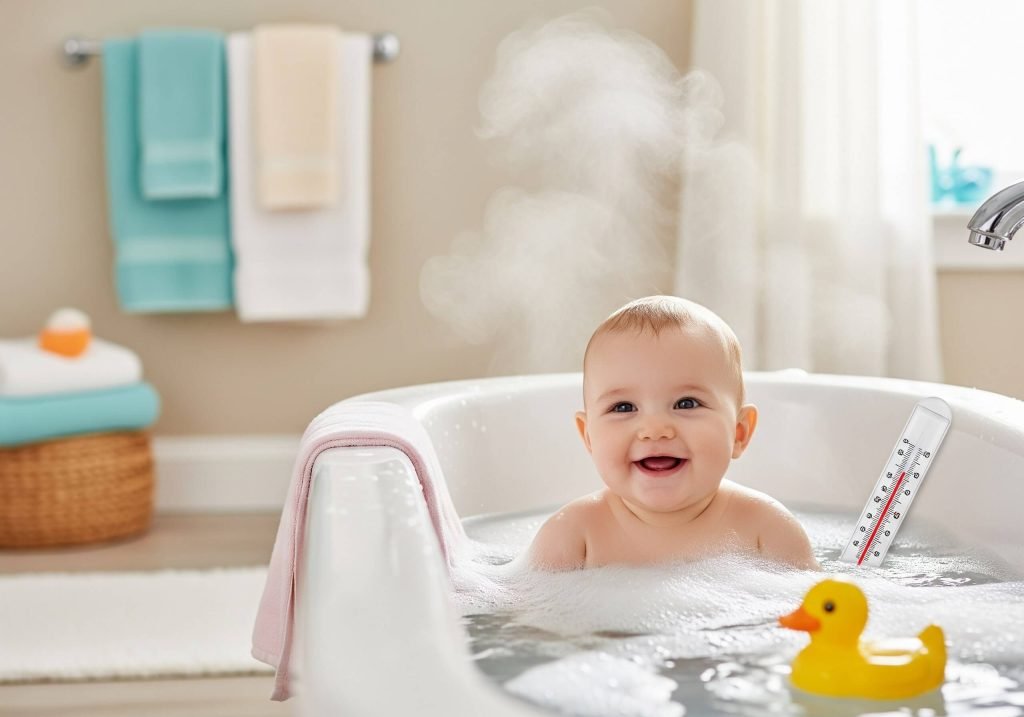
While your elbow or wrist might give you a rough idea, they are not reliable for precise temperature measurement. Investing in a good quality bath thermometer is highly recommended and, frankly, an indispensable tool for new parents.
These thermometers are specifically designed for baby baths and are readily available at most baby stores or online. Look for ones that are easy to read and perhaps even have a fun, floating design that your baby might enjoy as they get older.
How to Prepare the Perfect Bath
Here’s a step-by-step guide to achieving the ideal bath temperature every time:
- Gather Your Supplies First: Before you even think about water, have everything you need within arm’s reach: baby soap/shampoo, a soft washcloth, a clean towel (preferably hooded), a fresh diaper, and clean clothes. Never leave your baby unattended, not even for a second, to grab something you forgot.
- Fill the Tub: Start by filling the baby tub or a clean sink with just a few inches of water. For newborns, 2-3 inches is usually sufficient. As they grow, you can increase the water level slightly, but never more than waist-deep when they are sitting.
- Add Cold Water First, Then Hot: This is a crucial safety tip. Always start with cold water and then gradually add hot water until you reach the desired temperature. If you start with hot water and then add cold, you risk the possibility of a surge of hot water if the cold water pressure drops, or you might accidentally create a hot spot.
- Use Your Thermometer: Once you’ve added both hot and cold water, thoroughly mix the water with your hand to eliminate any hot or cold spots. Then, submerge your bath thermometer and wait for it to give you a stable reading. Aim for that 100°F (38°C) sweet spot.
- Double-Check (Still!): Even with a thermometer, it’s a good habit to do a final quick check with your wrist or elbow. While not foolproof on its own, it serves as an extra layer of caution. Your elbow or wrist is more sensitive to temperature than your hand, making it a better indicator. The water should feel comfortably warm, not hot.
- Introduce Your Baby Gently: Once you’re confident the temperature is perfect, gently and slowly lower your baby into the water, starting with their feet. Talk to them soothingly and maintain eye contact to make the experience calming.
Beyond Temperature: Other Bath Time Safety Tips
While temperature is paramount, a safe bath involves more than just the right warmth:
- Never Leave Your Baby Unattended: This cannot be stressed enough. Drowning can happen in mere seconds, even in a shallow amount of water. If you must leave the room for any reason, wrap your baby in a towel and take them with you.
- Supervise Constantly: Even if you’re in the room, stay within arm’s reach and keep your eyes on your baby at all times.
- Keep it Short: For newborns and young infants, a bath doesn’t need to last more than 5-10 minutes. Prolonged exposure to water can dry out their delicate skin.
- Non-Slip Mats: As your baby gets older and starts to sit up, a non-slip bath mat can provide extra security in the tub.
- Empty the Tub Immediately: Once bath time is over, drain the tub right away to prevent any accidents.
- Check Water Heater Settings: Consider setting your home’s water heater thermostat to no higher than 120°F (49°C). This significantly reduces the risk of accidental scalding from any tap in your house.
Making Bath Time a Bonding Experience
With the right temperature and safety precautions in place, bath time can transform from a chore into a cherished bonding ritual. Sing songs, play gentle games, and enjoy the precious moments with your little one as they splash and explore in their perfectly warm bath. By prioritizing safety, you’re not just protecting your baby; you’re creating a positive foundation for a lifetime of happy and healthy habits.
Frequently Asked Questions (FAQs)
Q1: What is the ideal water temperature for a baby bath? A1: The ideal water temperature for a baby bath is around 100°F (38°C), which is comfortably lukewarm. This temperature is warm enough for comfort but cool enough to prevent any risk of scalding your baby’s delicate skin.
Q2: How can I accurately check the baby bath water temperature? A2: The most accurate way to check your baby’s bath water temperature is by using a dedicated baby bath thermometer. While your elbow or wrist can provide a general idea, a thermometer offers a precise reading and ensures optimal safety.
Q3: Can bath water be too cold for a baby? A3: Yes, bath water can be too cold for a baby. Water that is too cool can lead to hypothermia, a dangerous drop in body temperature. Babies have less body fat and are more susceptible to losing heat quickly, so maintaining a comfortably warm temperature is crucial.
Q4: How much water should I put in a baby bath tub? A4: For newborns, 2-3 inches of water is generally sufficient. As your baby grows, you can increase the water level slightly, but never more than waist-deep when they are sitting up, to ensure their safety and prevent accidental drowning.
Q5: What are the biggest bath safety mistakes parents make? A5: The biggest bath safety mistakes include leaving the baby unattended, even for a second, and not accurately checking the water temperature. Always gather all supplies beforehand and use a bath thermometer to ensure the water is safely lukewarm.