
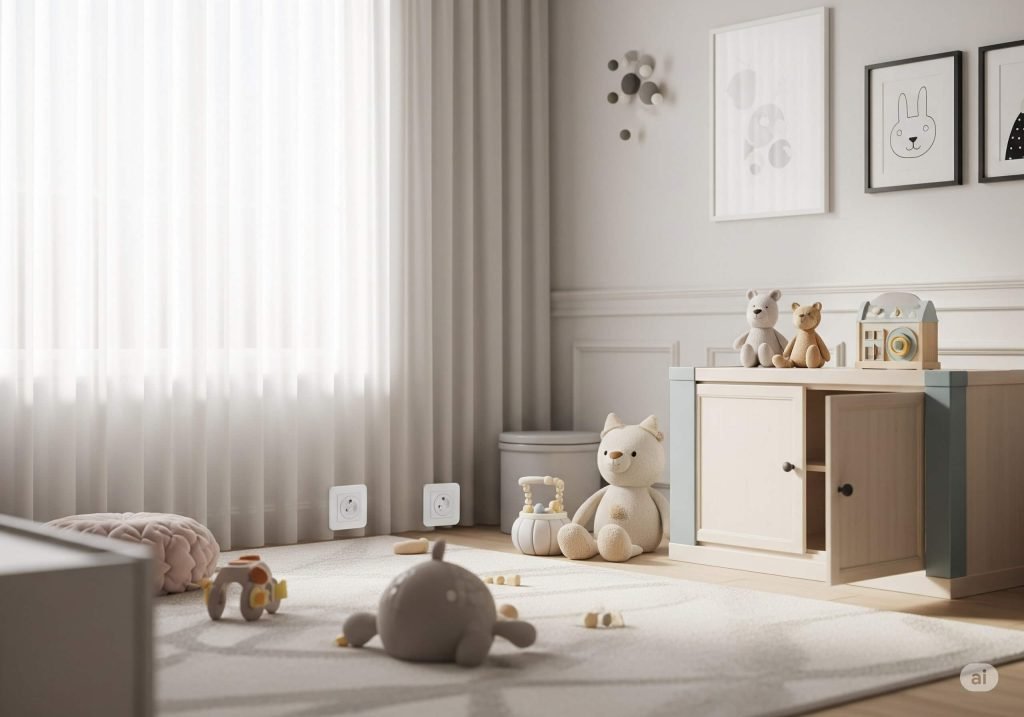
As your little one begins to crawl, cruise, and eventually walk, their world expands, and so does your need to ensure their safety. Baby-proofing isn’t just about preventing accidents; it’s about creating a secure environment where your child can explore, learn, and grow with confidence. This comprehensive guide will walk you through essential baby-proofing steps, transforming your home into a safe haven for your curious explorer.
Why Baby-Proofing is Non-Negotiable
Babies are naturally curious, and their developing motor skills mean they’ll be investigating every nook and cranny. What seems harmless to an adult can be a significant hazard for a curious infant or toddler. From electrical outlets to sharp corners, household items can pose choking risks, fall hazards, and even poisoning dangers. Proactive baby-proofing provides peace of mind, allowing you to relax and enjoy your child’s developmental milestones without constant worry.
Before You Begin: A Room-by-Room Approach
The most effective way to baby-proof is to tackle it room by room, viewing your home from your child’s perspective. Get down on your hands and knees and crawl around. What looks enticing? What could be pulled down? What can be opened? This unique perspective will reveal potential hazards you might otherwise overlook.
The Ultimate Baby-Proofing Checklist
Let’s dive into the specifics, room by room:
Living Room/Common Areas:
- Secure Furniture: Anchor all heavy furniture, such as bookshelves, dressers, and televisions, to the wall using anti-tip straps. Tip-overs are a leading cause of injuries in young children.
- Cover Electrical Outlets: Install outlet covers or safety plugs on all unused electrical outlets. Little fingers are incredibly adept at finding openings.
- Manage Cords: Bundle and secure all electrical cords for lamps, televisions, and other electronics. Loose cords are a strangulation hazard.
- Protect Sharp Edges: Use corner and edge guards on coffee tables, hearths, and other furniture with sharp edges.
- Secure Window Blinds and Cords: Install cordless blinds or use cord cleats to keep blind cords out of reach. Long, dangling cords are a strangulation risk.
- Clear Clutter: Keep small objects, choking hazards (coins, buttons, batteries), and breakables out of reach. Consider a designated “safe zone” for toys.
- Fireplace Safety: If you have a fireplace, install a sturdy fireplace gate to prevent access to hot surfaces, ashes, and logs. Remove all fireplace tools.
- Rugs and Mats: Ensure rugs are slip-resistant or use rug pads to prevent tripping and falling.
Kitchen:
- Lock Cabinets and Drawers: Install childproof locks on all cabinets and drawers, especially those containing cleaning supplies, sharp objects (knives, forks), medications, and breakable items.
- Stove Safety: Install stove knob covers or remove knobs when not in use. Consider a stove guard to prevent your child from reaching hot burners or pulling down pots.
- Refrigerator Safety: Use a refrigerator lock if your child is prone to opening it and accessing food or drinks that could be harmful.
- Dishwasher Safety: Keep the dishwasher closed and locked. Sharp objects and detergents can be dangerous.
- Trash Cans: Use trash cans with secure lids to prevent access to potentially harmful waste.
- Small Appliances: Unplug and put away small appliances (toasters, blenders) when not in use.
Bathroom:
- Toilet Locks: Install a toilet lock to prevent your child from playing in the toilet or accessing cleaning chemicals stored nearby.
- Medicine and Toiletries: Keep all medications, vitamins, cleaning supplies, and toiletries in locked cabinets or on high shelves, completely out of reach.
- Water Temperature: Set your water heater to a maximum of 120°F (49°C) to prevent scalding. Always test bathwater temperature before putting your child in.
- Non-Slip Mats: Place non-slip mats in the bathtub and on the bathroom floor.
- Razors and Sharps: Store razors, scissors, and other sharp objects in a locked drawer or cabinet.
Nursery/Bedroom:
- Crib Safety: Ensure your crib meets current safety standards. The mattress should be firm and fit snugly, with no gaps between the mattress and the crib sides. Remove bumpers, loose blankets, pillows, and toys from the crib to prevent suffocation.
- Changing Table Safety: Never leave your baby unattended on a changing table. Always use the safety strap.
- Window Safety: Install window guards or stops that prevent windows from opening more than a few inches.
- Secure Dressers: Anchor dressers to the wall. Keep drawers closed to prevent climbing.
- Toy Storage: Store toys in sturdy bins or shelves that are securely anchored. Avoid toy chests with heavy, unsecured lids that could fall on a child.
- Baby Monitor Placement: Position baby monitors away from the crib and out of reach of your child. Ensure cords are secured.
Stairs and Doors:
- Stair Gates: Install safety gates at the top and bottom of all stairs. Choose pressure-mounted gates for doorways where there’s no fall hazard and hardware-mounted gates for stairs for maximum security.
- Door Stops/Holders: Use door stops to prevent pinched fingers and door holders to keep doors open or closed securely.
Outdoor Areas/General Home Safety:
- Swimming Pool Safety: If you have a pool, install a fence with self-closing, self-latching gates. Consider a pool alarm. Never leave a child unattended near water.
- Pet Supplies: Keep pet food and water bowls out of reach, especially if your child is prone to putting things in their mouth. Store pet medications securely.
- Garage/Shed Safety: Lock up all tools, chemicals (pesticides, paints), and potentially dangerous equipment in the garage or shed.
- Carbon Monoxide and Smoke Detectors: Ensure you have working smoke detectors on every level of your home and in sleeping areas. Install carbon monoxide detectors near sleeping areas. Test them monthly and replace batteries annually.
- Emergency Contacts: Post emergency numbers (poison control, pediatrician, emergency services) in a visible location.
Ongoing Vigilance and Education
Baby-proofing is not a one-time task. As your child grows and develops new skills, new hazards may emerge. Continuously re-evaluate your home environment and adjust your baby-proofing measures accordingly.
Furthermore, educate your child about safety as they get older. Teach them about “no-go” areas and what is safe to touch and what isn’t. Leading by example and consistent reinforcement will build a strong foundation for their safety awareness.
Peace of Mind Through Preparation
Creating a baby-proofed home is an investment in your child’s safety and your peace of mind. By taking the time to address potential hazards proactively, you’re fostering an environment where your little one can explore, learn, and thrive securely. Enjoy this exciting stage of development, knowing you’ve created the safest possible world for your curious little explorer.
FAQ
Q1: When should I start baby-proofing my home? A1: It’s best to start baby-proofing before your baby becomes mobile, typically around 4-6 months. However, it’s never too late to begin! Starting early gives you ample time to address potential hazards before your little one is on the move.
Q2: What are the most common baby-proofing mistakes? A2: Common mistakes include underestimating a baby’s agility, forgetting to secure furniture, not covering all outlets, and failing to secure window cords. Always get down on your hands and knees to see your home from a baby’s perspective.
Q3: Are all baby gates safe? A3: No, not all baby gates are suitable for all locations. Hardware-mounted gates are recommended for the top of stairs for maximum security, while pressure-mounted gates can be used in doorways where there isn’t a fall hazard. Always choose gates that meet current safety standards.
Q4: How often should I re-evaluate my baby-proofing efforts? A4: You should re-evaluate your baby-proofing efforts regularly, especially as your child reaches new developmental milestones (e.g., crawling, pulling up, walking, climbing). What was safe last month might not be safe today.
Q5: Should I baby-proof even if I’m always supervising my child? A5: Absolutely. While supervision is crucial, accidents can happen in a split second. Baby-proofing provides an essential layer of protection, acting as a backup to your watchful eye and allowing for moments when you might be momentarily distracted.