Choosing Montessori toys sustainably can be a rewarding task. It ensures you provide quality playthings while caring for the environment.
Montessori toys are designed to engage children’s senses and foster independence. With sustainability in mind, selecting these toys involves considering materials, durability, and ethical production. In today’s world, being eco-friendly is essential. Sustainable choices benefit not only our children but also our planet.
When picking Montessori toys, look for natural materials like wood and organic fabrics. Avoid plastics and synthetic materials, which harm the environment. Also, consider the toy’s longevity. Durable toys reduce waste and often hold greater educational value. By making mindful choices, you can create a positive impact. This guide will help you choose the best Montessori toys sustainably. Let’s dive in and explore sustainable options for your child’s playtime.
Introduction To Montessori Toys
Montessori toys play an important role in a child’s development. They are designed based on the Montessori method. This method encourages self-directed activity, hands-on learning, and collaborative play. Choosing these toys sustainably can benefit both your child and the environment.
Montessori Principles
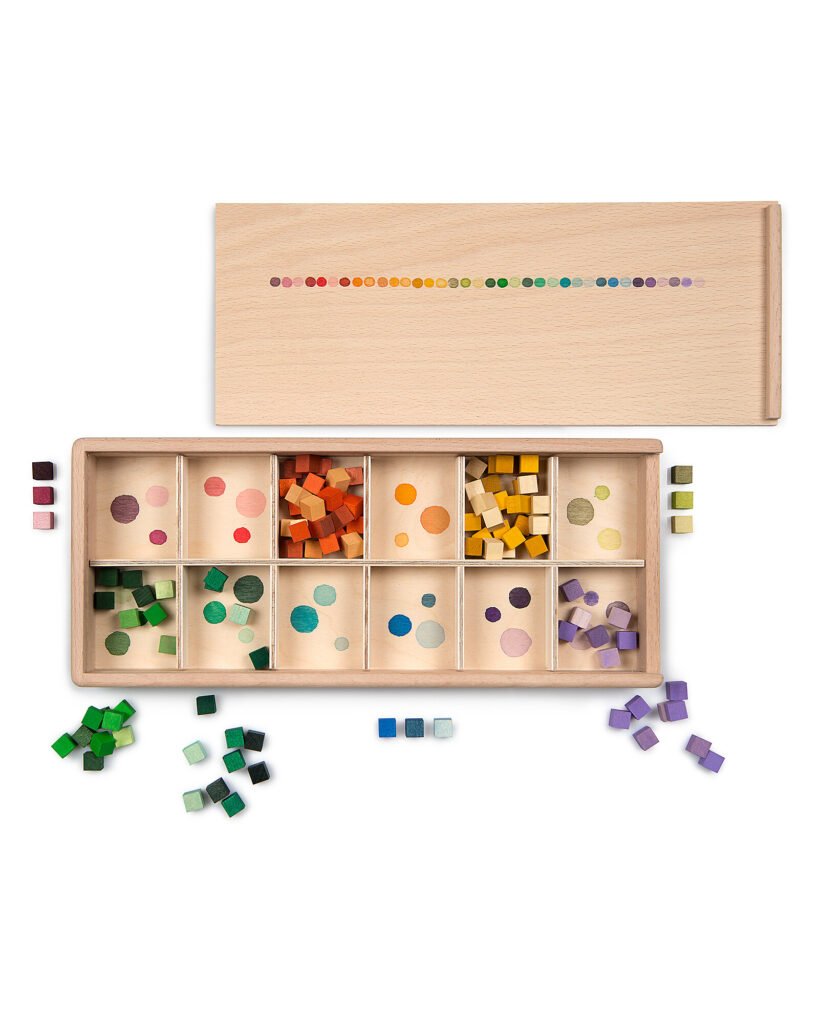
The Montessori method was created by Dr. Maria Montessori. It focuses on child-led learning. Children choose activities and learn at their own pace. Montessori toys are simple and purposeful. They are made from natural materials like wood, metal, and fabric.
These toys are open-ended. This means children can use them in many ways. Open-ended toys encourage creativity and problem-solving. Montessori principles also stress the importance of beauty and order. Toys are often aesthetically pleasing and well-crafted.
Benefits Of Montessori Toys
Montessori toys have many benefits. They help children develop fine motor skills and hand-eye coordination. They also encourage independence and self-discipline. Children learn to focus and complete tasks on their own.
These toys promote sensory exploration. Children can touch, see, hear, and sometimes even taste or smell the toys. This multi-sensory experience helps brain development. Montessori toys also foster a love for learning. They make learning fun and engaging.
Another benefit is sustainability. Many Montessori toys are made from eco-friendly materials. They are durable and can be passed down to younger siblings. This reduces waste and promotes a sustainable lifestyle.
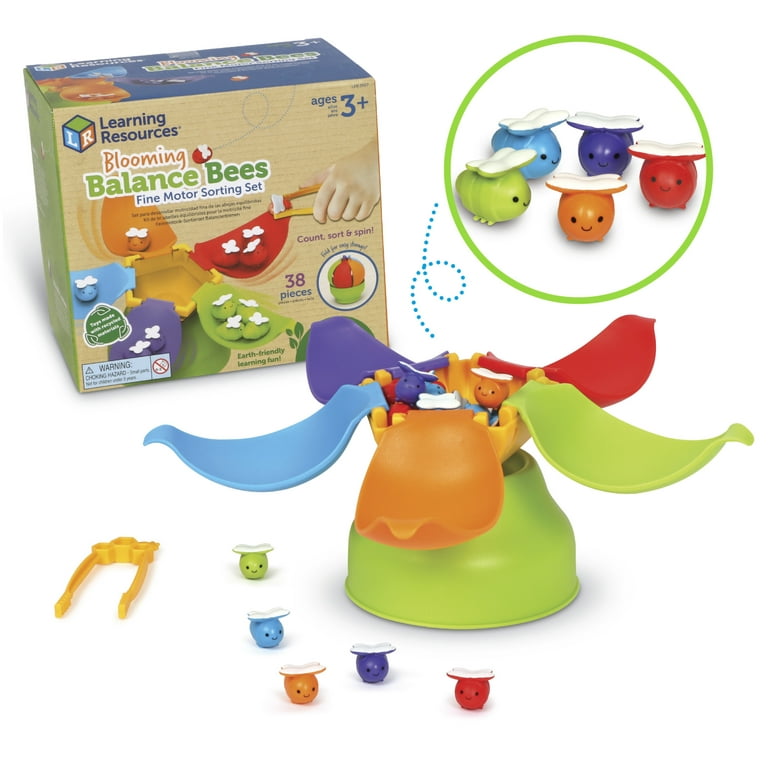
Credit: www.walmart.com
Importance Of Sustainability
Choosing Montessori toys sustainably is not only about making eco-friendly choices. It also ensures the safety and health of our children. Sustainable toys are made from natural materials, which reduce environmental harm and provide a healthier play environment. By selecting these toys, we contribute to a greener planet and a healthier future for our kids.
Environmental Impact
Sustainable Montessori toys are crafted from renewable resources. Materials like wood, cotton, and wool are biodegradable and reduce landfill waste. Unlike plastic toys, these materials do not release harmful chemicals. This choice helps to decrease pollution and conserve natural resources.
Here is a comparison of common toy materials:
| Material | Environmental Impact |
|---|---|
| Wood | Biodegradable, renewable, and eco-friendly |
| Cotton | Biodegradable and renewable |
| Plastic | Non-biodegradable, pollutes oceans and landfills |
Health Benefits
Sustainable toys are free from harmful chemicals. These chemicals can be found in many mass-produced plastic toys. They pose health risks like allergies and hormone disruption. Choosing natural materials like wood or cotton ensures a safer play environment.
Benefits of sustainable toys:
- Non-toxic and safe for children
- Encourage imaginative play and creativity
- Durable and long-lasting
By choosing sustainable Montessori toys, you protect your child’s health and support the environment. Both aspects are critical for a better future.
Materials To Look For
Choosing Montessori toys sustainably requires careful consideration of the materials used. Opting for eco-friendly options ensures that the toys are safe for children and kind to the planet. Here are some key materials to look for when selecting sustainable Montessori toys:
Natural Wood
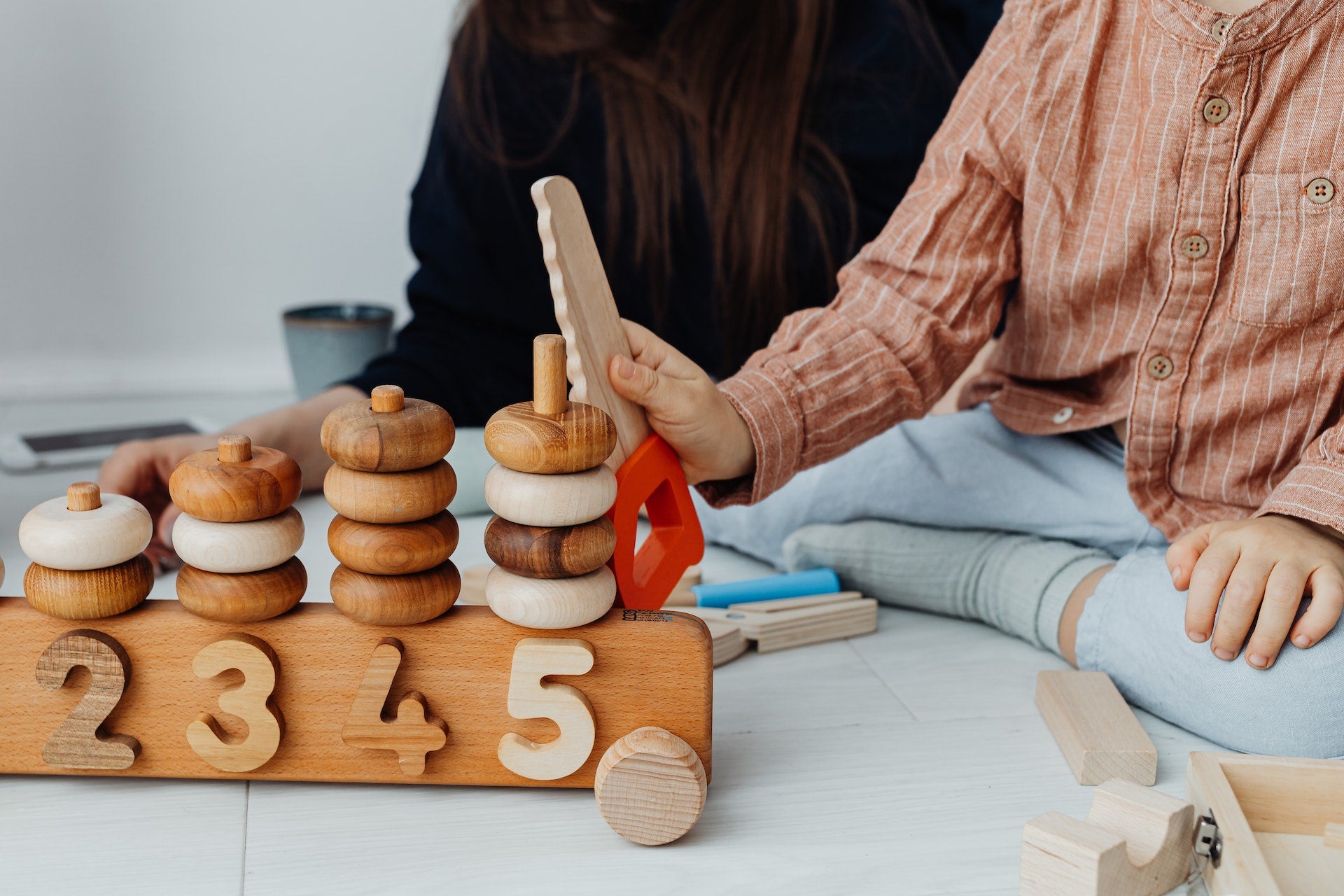
Natural wood is an excellent choice for Montessori toys. It is durable, non-toxic, and biodegradable. Wooden toys can be handed down through generations, reducing waste. Look for toys made from sustainably sourced wood, certified by organizations like the Forest Stewardship Council (FSC). These certifications ensure that the wood comes from responsibly managed forests.
Organic Fabrics
Organic fabrics are another important material to consider. They are free from harmful chemicals and safe for children. Toys made from organic cotton, wool, or hemp are gentle on the skin and environmentally friendly. These materials are also biodegradable, reducing their environmental impact. Check for certifications like GOTS (Global Organic Textile Standard) to ensure the fabrics meet high sustainability standards.
Credit: erenjoy.com
Avoiding Harmful Materials
Choosing Montessori toys sustainably involves many considerations. One crucial aspect is avoiding harmful materials. Some materials can pose health risks to children. This section will help you identify and avoid these materials.
Plastics And Toxins
Plastics often contain harmful chemicals. These can leach into toys and affect children’s health. Common toxins in plastics include phthalates and Bisphenol A (BPA). These chemicals can disrupt hormones and cause other health issues.
Look for toys labeled as BPA-free or phthalate-free. Avoid toys made from polyvinyl chloride (PVC). PVC is a type of plastic that often contains harmful additives.
Non-toxic Alternatives
Choose toys made from natural materials. Wood, cotton, and wool are great options. These materials are safe and sustainable.
Wooden toys are durable and eco-friendly. Make sure they are finished with non-toxic paints or natural oils. Cotton and wool toys should be organic and free from harmful dyes.
Here is a table to help you identify safe materials:
| Material | Safe Options | Avoid |
|---|---|---|
| Plastic | BPA-free, Phthalate-free | PVC |
| Wood | Non-toxic paints, Natural oils | Unknown finishes |
| Fabric | Organic cotton, Wool | Synthetic fibers |
By choosing non-toxic materials, you ensure a safer play environment. It also supports sustainable practices. Always check labels and product descriptions. Make informed choices to protect your child and the planet.
Certifications And Labels
When choosing Montessori toys, understanding certifications and labels is crucial. These markers help ensure the toys meet safety and sustainability standards. They also provide peace of mind that the toys are eco-friendly and safe for children.
Eco-friendly Certifications
Look for toys with recognized eco-friendly certifications. The Forest Stewardship Council (FSC) logo means the wood is from responsibly managed forests. The Global Organic Textile Standard (GOTS) label assures organic fabric use.
Another certification is OEKO-TEX. This label means the toy is free from harmful substances. The Green Guard certification ensures toys have low chemical emissions. These certifications indicate the toy’s environmental and health standards.
Trusted Brands
Some brands are known for their commitment to sustainability. Plan Toys, for example, uses sustainable materials and practices. Hape ensures their products are eco-friendly and safe for children.
Grimm’s is another trusted brand. They use non-toxic dyes and sustainable wood. Trusting these brands means you are choosing toys that align with Montessori principles and sustainability.
Durability And Longevity
Choosing Montessori toys with a focus on durability and longevity ensures they last longer. This approach is not only environmentally friendly but also cost-effective. High-quality toys that withstand wear and tear can be passed down through generations. This promotes sustainability and reduces waste.
Investing In Quality
Quality matters. High-quality materials resist damage better. Wooden toys, for example, are more durable than plastic ones. They can endure rough play. Look for toys made from sustainable wood sources. Check for non-toxic paints. These features ensure safety and longevity.
Well-crafted toys often have better design. They engage children longer. They also support learning effectively. Quality toys grow with the child. They adapt to different developmental stages. This makes the investment worthwhile. Parents save money in the long run.
Hand-me-downs
Hand-me-downs are a sustainable choice. Passing toys from one child to another reduces waste. It also saves resources. Older siblings or cousins can provide toys. Friends and family can also contribute.
Ensure the toys are in good condition. Clean them thoroughly. Check for wear and tear. Repair if needed. This makes the toys safe for the next child. Hand-me-downs have sentimental value too. They carry memories and stories. This adds a unique touch to playtime.
Supporting Local Artisans
Choosing Montessori toys sustainably involves considering the source. By supporting local artisans, you not only get unique items but also contribute to the community. Let’s explore how this choice impacts the local economy and offers unique finds for your child.
Community Impact
Purchasing from local artisans boosts the local economy. Your money stays within the community, helping small businesses thrive. This creates job opportunities and supports local families.
Local artisans often use sustainable materials. They focus on quality, not mass production. This reduces waste and environmental impact. Buying from them means you get durable and eco-friendly toys.
| Benefit | Impact |
|---|---|
| Boosts Local Economy | Keeps money within the community, creating jobs |
| Supports Local Families | Provides income to artisan families |
| Reduces Waste | Focuses on quality over quantity |
Unique Finds
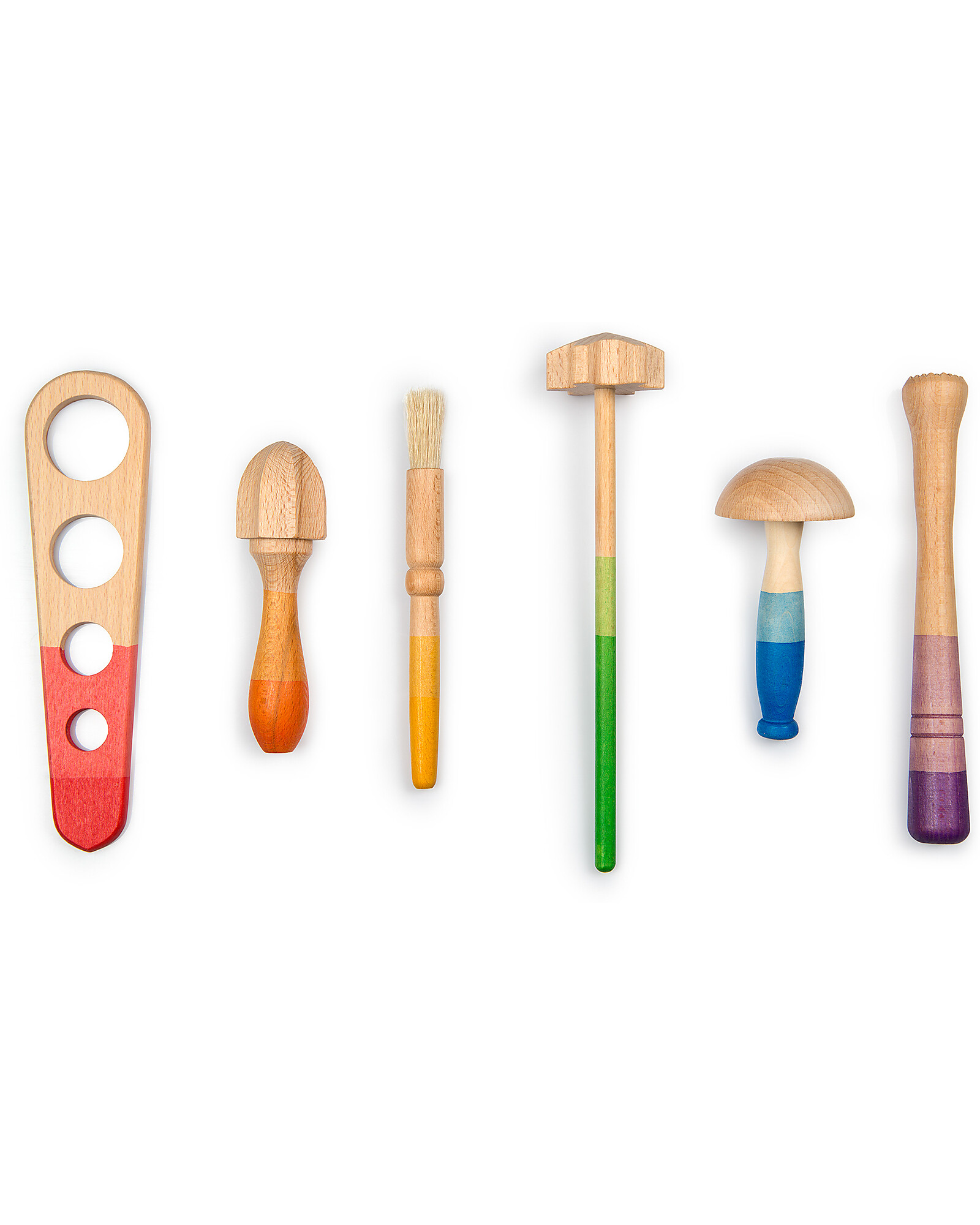
Local artisans offer unique, handcrafted toys. These items are one-of-a-kind, unlike mass-produced toys. Your child will have something special.
Handcrafted toys often have intricate details. Artisans put time and care into each piece. This ensures high quality and durability.
Many artisans customize toys. You can request specific features or designs. This makes the toy even more special for your child.
- Handcrafted, unique items
- High quality and durability
- Customizable options
Supporting local artisans benefits your child and your community. It is a sustainable choice that offers unique, high-quality toys.
Credit: www.family-nation.com
Diy Montessori Toys
Creating DIY Montessori toys can be fun and sustainable. Making toys at home saves money and reduces waste. These toys can enhance your child’s learning experience. Let’s explore some creative ways to make Montessori toys.
Upcycling Ideas
Many household items can be turned into Montessori toys. Reuse old clothes to create soft toys or sensory bags. Cardboard boxes can become stacking toys or shape sorters. Use bottle caps for counting games or color sorting. These ideas are cost-effective and eco-friendly.
Crafting Tips
Keep safety in mind. Ensure all materials are non-toxic and child-safe. Use simple designs. Children enjoy basic shapes and bright colors. Involve your child in the crafting process. This can make the experience more enjoyable and educational. Store the toys in a dedicated space. Organization helps in maintaining a clutter-free environment.
Teaching Sustainability To Children
Teaching sustainability to children is crucial. They are the future stewards of our planet. Introducing sustainable practices early helps them develop lifelong eco-friendly habits. Montessori toys can be an excellent tool for this purpose. These toys not only foster creativity and learning but also promote environmental consciousness.
Incorporating Lessons
Use Montessori toys to teach about recycling. Choose toys made from natural materials like wood or fabric. Explain to children how these materials are better for the environment. Show them how to sort different materials for recycling. Make it a fun activity. This will help them understand the importance of reducing waste.
Another way is by creating a small garden. Use toy gardening tools and real seeds. Teach children how to plant and care for a garden. This activity will connect them with nature. It also teaches them about the importance of growing their own food. Plus, it’s a great way to spend time outdoors.
Leading By Example
Children learn by observing adults. Show them sustainable practices in your daily life. Use reusable bags and bottles. Avoid single-use plastics. Choose eco-friendly products, including their toys. Explain why you make these choices. They will likely mimic your actions and develop similar habits.
Involve children in sustainable activities. For example, let them help with composting. Explain how composting turns food waste into valuable soil. This teaches them about the natural cycle and the importance of reducing waste. It’s a hands-on way to learn about sustainability.
Conclusion
Choosing Montessori toys sustainably benefits your child and the environment. Opt for toys made from natural, eco-friendly materials. Support brands committed to ethical production practices. Prioritize quality over quantity for long-lasting play. Reuse and recycle toys to reduce waste. Make thoughtful choices to foster a greener future.
Sustainable toys inspire creativity and responsibility in children. Start today to make a positive impact. Sustainable play leads to a healthier planet for future generations. Your choices matter. Make them count.