Want to make sure your baby’s furniture is safe and non-toxic? Here’s how to choose non-toxic baby furniture with confidence.
Your baby’s health and safety are top priorities. From cribs to changing tables, every piece of furniture matters. Non-toxic options can reduce exposure to harmful chemicals. This guide helps you navigate the choices. Understanding which materials are safe is crucial.
Many conventional baby furniture pieces contain toxic substances. These can affect your child’s health. Choosing non-toxic furniture ensures a safer environment. You’ll learn what to look for and what to avoid. We’ll cover key aspects like materials and certifications. By the end, you’ll know how to make informed decisions. Let’s start creating a healthy space for your baby.
Importance Of Non-toxic Baby Furniture
The importance of non-toxic baby furniture cannot be overstated. Babies spend a lot of time in their cribs and play areas. This makes it critical to ensure their environment is safe and free from harmful chemicals. Choosing non-toxic furniture helps safeguard their health and supports a healthier planet.
Health Benefits
Non-toxic baby furniture is made without harmful chemicals. This means fewer toxins in the air your baby breathes. Babies have developing immune systems. Exposure to toxic chemicals can weaken their health. Non-toxic furniture helps reduce this risk.
Common harmful chemicals in regular furniture include:
- Formaldehyde
- BPA
- Phthalates
- Lead
These chemicals can cause allergies, asthma, and other health issues. Opting for non-toxic furniture reduces these risks. It ensures a safer environment for your child.
Environmental Impact
Choosing non-toxic furniture also benefits the environment. Non-toxic furniture is often made from sustainable materials. This means less impact on our planet’s resources. It also means fewer harmful chemicals released into the environment.
Here are some environmental benefits of non-toxic baby furniture:
| Benefit | Description |
|---|---|
| Reduced Pollution | Less harmful chemicals released during production. |
| Sustainable Materials | Use of resources that can be replenished. |
| Lower Carbon Footprint | Less energy used in manufacturing and transportation. |
In this way, choosing non-toxic baby furniture helps keep our planet clean. It ensures a better future for our children.
Materials To Avoid
Choosing non-toxic baby furniture is crucial for your little one’s health. Some materials can release harmful substances. These can affect your baby’s growth and well-being. Let’s explore which materials to avoid.
Harmful Chemicals
Many baby furniture items contain harmful chemicals. These can include:
- Formaldehyde
- Phthalates
- Volatile Organic Compounds (VOCs)
Formaldehyde is often found in pressed wood products. It can cause respiratory issues. Phthalates are in plastics and can disrupt hormones. VOCs are in paints and finishes. They can cause headaches and nausea.
Allergens
Avoid materials that can trigger allergies. Common allergens in baby furniture include:
- Latex
- Wool
- Feathers
Latex can cause skin rashes. Wool and feathers can trigger asthma. Choose hypoallergenic materials for your baby’s comfort.
Safe Materials For Baby Furniture
Choosing non-toxic baby furniture ensures a safe environment for your baby. The materials used in baby furniture play a crucial role in maintaining a healthy space. Let’s explore some safe materials for baby furniture.
Natural Wood
Natural wood is an excellent choice for baby furniture. It is durable and free from harmful chemicals. Ensure the wood is untreated or finished with non-toxic sealants. Here are some types of natural wood to consider:
- Beech
- Maple
- Oak
- Cherry
These woods are sturdy and have a low risk of splintering. Avoid particle board and plywood. They often contain formaldehyde, which is harmful to your baby.
| Wood Type | Benefits |
|---|---|
| Beech | Strong and durable |
| Maple | Hard and resistant to wear |
| Oak | Long-lasting and sturdy |
| Cherry | Beautiful and robust |
Organic Fabrics
Using organic fabrics ensures your baby is not exposed to harmful chemicals. These fabrics are made without pesticides or synthetic fertilizers. Here are some common organic fabrics used in baby furniture:
- Organic Cotton
- Bamboo
- Hemp
- Wool
Organic cotton is soft and breathable. Bamboo is hypoallergenic and naturally antibacterial. Hemp is strong and resistant to mold. Wool is naturally flame-resistant and moisture-wicking.
When choosing fabrics, look for certifications like GOTS (Global Organic Textile Standard) and OEKO-TEX. These certifications ensure the materials meet safety standards and are free from harmful chemicals.
Certifications To Look For
When choosing non-toxic baby furniture, it’s vital to consider certifications. These certifications ensure the safety and quality of the furniture. They help you make informed decisions for your child’s health. Below are some key certifications to look for.
Greenguard
The Greenguard certification ensures that products have low chemical emissions. This certification helps improve indoor air quality. Furniture with this label has been tested for over 10,000 chemicals. It meets strict standards for low emissions of volatile organic compounds (VOCs).
Consider these points for Greenguard certified furniture:
- Look for the Greenguard Gold label. It has stricter criteria.
- Greenguard certified products are good for sensitive individuals.
- It covers furniture, mattresses, and other baby products.
Oeko-tex
The OEKO-TEX certification tests for harmful substances in textiles. It ensures the safety of fabrics used in baby furniture. This certification covers all stages of production. From raw materials to end products, everything is tested.
Key points for OEKO-TEX certified furniture:
- It tests for over 100 harmful substances.
- Products are tested for colorfastness and durability.
- OEKO-TEX Standard 100 is a common label to look for.
Choosing OEKO-TEX certified items ensures they are safe for your baby’s skin.
Top Non-toxic Furniture Brands
Choosing non-toxic baby furniture is essential. Many parents want to ensure their baby’s safety. This section will help you find top non-toxic furniture brands. These brands offer safe, eco-friendly options for your nursery.
Popular Choices
Several brands stand out. They are popular for their non-toxic baby furniture. One of these is Babyletto. Babyletto uses sustainable materials. They also have Greenguard Gold certification. This means their products have low chemical emissions.
Another great brand is DaVinci. DaVinci offers a range of non-toxic cribs and dressers. Their furniture is made from solid wood. It is also free from harmful chemicals. The Honest Company also makes safe baby furniture. They focus on eco-friendly products. Their furniture is free from toxic finishes.
Customer Reviews
Parents often praise these brands. Many reviews highlight the quality and safety. Babyletto receives high marks for design and durability. Parents love the modern look. They also appreciate the non-toxic materials.
DaVinci gets positive feedback as well. Customers note the sturdy construction. They also like the affordable prices. The Honest Company is known for excellent customer service. Reviews mention the easy assembly and safe finishes.
Reading customer reviews can help. It gives insights into real experiences. You can make an informed choice for your baby’s furniture.

Credit: www.amazon.com
Stylish And Functional Designs
Choosing non-toxic baby furniture doesn’t mean you have to compromise on style. Modern parents want furniture that is both safe and aesthetically pleasing. Thankfully, many brands now offer stylish and functional designs. These pieces not only look great but also serve practical purposes. Let’s explore some options that combine beauty with usability.
Modern Aesthetics
Modern baby furniture often features clean lines and neutral colors. These elements can blend seamlessly with any home decor. Look for pieces made from natural materials like wood. They offer a timeless and elegant look. Avoid furniture with heavy varnishes or paints. These can release harmful chemicals into your home. Choose items that are both chic and safe for your baby.
Space-saving Solutions
Small spaces can benefit from multi-functional furniture. Think cribs that convert into toddler beds. Or changing tables with built-in storage. These options save space and reduce the need for extra pieces. Compact designs can fit into any room size. They offer practicality without compromising on style. Look for furniture that grows with your child. This ensures you get more value for your money.
Diy Non-toxic Furniture Tips
Creating a safe, healthy space for your baby is essential. Many parents prefer DIY non-toxic furniture. It ensures you know exactly what materials you use. Here are some tips to get you started.
Safe Finishes
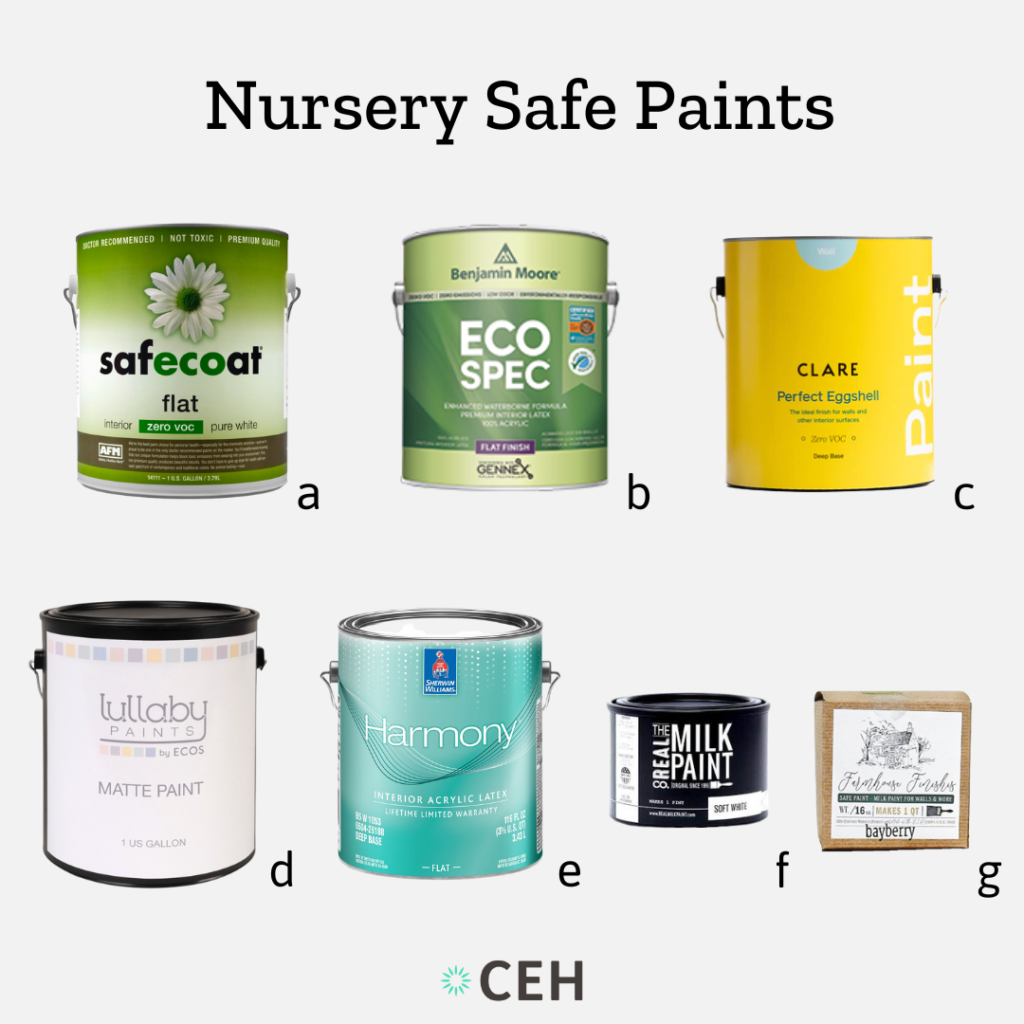
Opt for water-based paints. They emit fewer harmful fumes. Milk paint is another great choice. It’s made from natural ingredients. Beeswax polish is ideal for wooden furniture. It seals the wood and is safe for your baby.
Simple Projects
Start with a small bookshelf. Use untreated wood to build it. Apply a non-toxic finish to keep it safe. Another simple project is a toy box. Again, use natural wood. Avoid using plywood, as it can contain formaldehyde. Sand the edges smooth. This prevents splinters and makes it safer for your baby.

Credit: www.instagram.com
Maintenance And Care
Maintaining and caring for your baby’s furniture is crucial. It ensures a safe and healthy environment for your little one. Proper care extends the life of the furniture, making it a worthwhile investment.
Cleaning Tips
Use a damp cloth to wipe down surfaces. Avoid harsh chemicals. They can harm your baby and the furniture. Mild soap and water are usually enough. Make sure to dry the furniture completely. Moisture can cause damage or mold.
For wooden furniture, consider using natural cleaning solutions. Vinegar and water work well. Test any cleaner on a small area first. This ensures it won’t damage the finish. Regular dusting helps keep the furniture looking new.
Longevity
Choose furniture made from durable materials. Solid wood is a good option. It lasts longer and is often more eco-friendly. Check the construction of the furniture. Sturdy joints and screws are signs of quality. Avoid furniture with weak connections.
Regular maintenance can extend the life of baby furniture. Tighten screws and bolts periodically. This prevents wobbling and keeps the furniture safe. Consider using furniture covers. They protect against spills and stains.
Proper storage also helps. If you need to store the furniture, keep it in a dry place. Avoid areas with extreme temperatures. This prevents warping and other damage. A little care goes a long way in keeping your baby’s furniture in top shape.
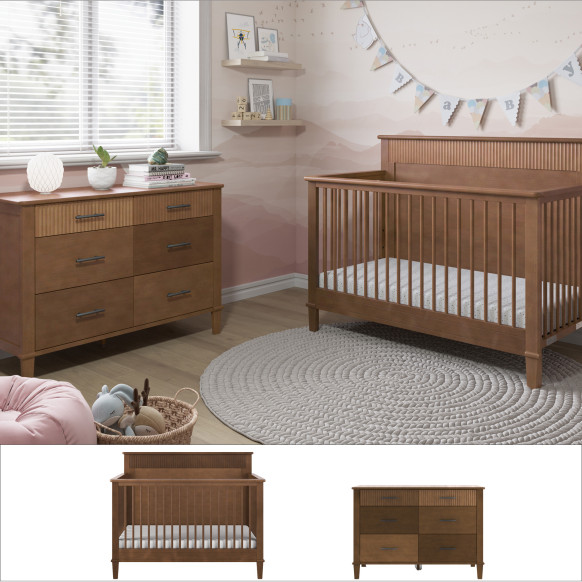
Credit: www.mystylelabel.com
Conclusion
Choosing non-toxic baby furniture ensures your child’s safety and well-being. Prioritize materials free of harmful chemicals. Look for certifications like GREENGUARD Gold. Check for solid wood and non-toxic finishes. Read product reviews for real experiences. Trust reliable brands committed to health and safety.
Your baby’s environment should be safe and nurturing. Simple steps can make a big difference. Invest in quality, non-toxic furniture. Peace of mind is worth it. Protect your little one with informed choices. Happy parenting!