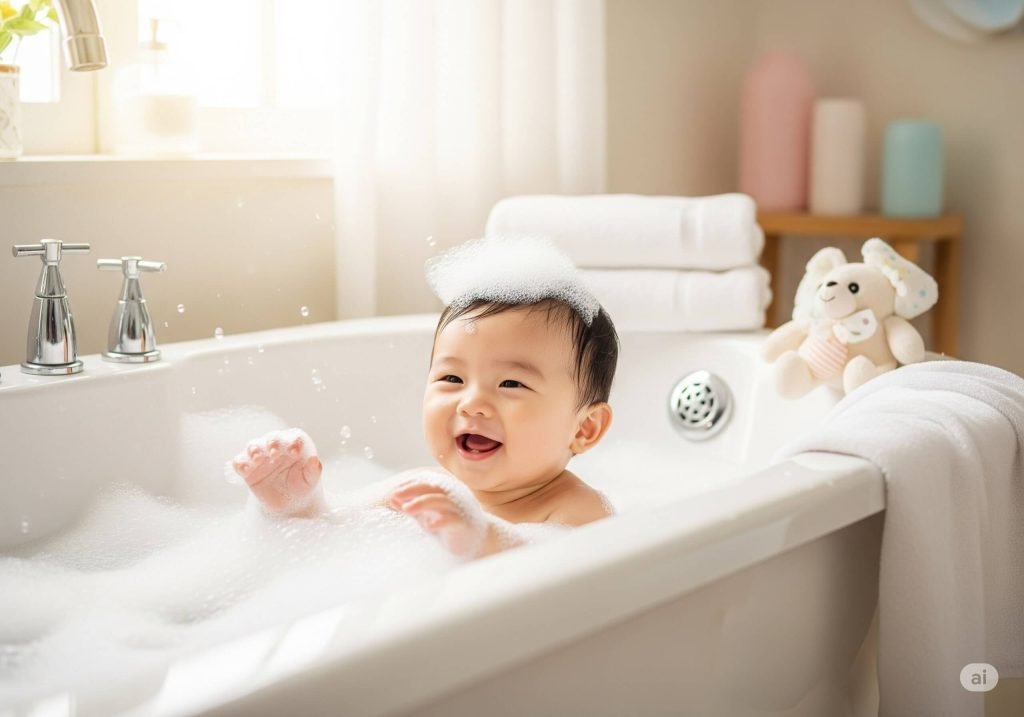
what could make it even more magical than a tub full of soft, bubbly fun? For many parents, the thought of introducing bubble bath to their tiny tots sparks a crucial question: Is baby bubble bath safe for infants?
The answer, happily, is yes, with important caveats. While the joy of bubbles is undeniable, ensuring your infant’s delicate skin and overall health remain protected is paramount. This comprehensive guide will equip you with the knowledge to choose the safest, most gentle bubble baths for your little one, transforming bath time into a truly blissful and worry-free experience.
Why the Concern? Understanding Infant Skin Sensitivity
Before diving into product specifics, it’s vital to understand why infant skin requires such careful consideration. A baby’s skin is significantly thinner and more permeable than adult skin, making it more susceptible to irritation, dryness, and absorption of chemicals. Their natural skin barrier is still developing, meaning harsh ingredients can easily strip away essential oils, leading to discomfort, rashes, and even more serious issues like urinary tract infections (UTIs) in girls or yeast infections.
This heightened sensitivity means that many conventional bubble baths, formulated for older children or adults, are simply too harsh for an infant’s delicate system.
Key Considerations for Safe Baby Bubble Bath Selection
When selecting a bubble bath for your infant, think “gentle, natural, and minimalist.” Here’s what to prioritize:
1. Age Appropriateness: When Can You Introduce Bubbles?
While some products are marketed for “newborns,” many pediatricians recommend waiting until your baby is at least three months old before introducing bubble baths, and some even suggest waiting until they are three years old. This allows their skin barrier to develop further. Always consult your pediatrician for personalized advice, especially if your baby has sensitive skin, eczema, or a history of skin reactions. For newborns, stick to plain warm water or a gentle, unfoaming baby wash.
2. Ingredient Scrutiny: What to Look For and What to Avoid
This is the most critical aspect of choosing a safe bubble bath. Become a label detective!
Ingredients to Embrace:
- Natural and Plant-Based: Look for ingredients derived from nature.
- Hypoallergenic: This label indicates the product is less likely to cause allergic reactions.
- Dermatologist-Tested/Pediatrician-Recommended: These certifications offer an extra layer of assurance.
- Tear-Free Formulas: While primarily for eye safety, these often indicate milder formulations.
- Soothing Botanicals: Ingredients like oat extract, calendula, chamomile, and aloe vera can help moisturize and calm delicate skin.
- Natural Oils: Coconut oil, shea butter, and jojoba oil can provide gentle hydration.
- Mild Surfactants: Look for gentle cleansing agents like decyl glucoside, coco-betaine, sodium lauroyl methyl isethionate, and potassium cocoate. These create bubbles without harshness.
- pH-Balanced: A pH-balanced formula helps maintain the natural acidity of your baby’s skin, protecting its barrier.
Ingredients to Absolutely Avoid:
- Sulfates (SLS, SLES – Sodium Lauryl Sulfate, Sodium Laureth Sulfate): These are harsh foaming agents that can strip natural oils and irritate skin. They are common culprits for dryness and irritation.
- Phthalates: Often found in fragrances, these endocrine-disrupting chemicals can have adverse health effects. Look for “phthalate-free.”
- Parabens (Methylparaben, Propylparaben, Butylparaben, Ethylparaben): These are preservatives that can mimic estrogen and have been linked to various health concerns. Opt for “paraben-free.”
- Synthetic Fragrances/Perfumes (Parfum): Fragrance is a leading cause of skin irritation and allergic reactions. Always choose “fragrance-free” or products with natural, mild scents from essential oils (used sparingly and safely).
- Artificial Dyes/Colors: These offer no benefit and can be irritants.
- Formaldehyde-Releasing Preservatives (e.g., Quaternium-15, DMDM hydantoin, Diazolidinyl urea, Imidazolidinyl urea): These slowly release formaldehyde, a known carcinogen and irritant.
- Cocamide DEA, MEA, TEA: These are often used as foaming agents and thickeners and can be contaminated with harmful byproducts.
- Propylene Glycol: Can be a skin irritant.
- Triclosan (Antibacterial Agents): Unnecessary for baby baths and can disrupt the skin’s natural microbiome.
- Mineral Oil/Petroleum: While not inherently harmful, some prefer to avoid these petroleum-derived ingredients in favor of plant-based alternatives.
3. Opt for “Fragrance-Free” or Naturally Scented (with caution)
As mentioned, synthetic fragrances are a major red flag. If you prefer a subtly scented product, ensure the scent comes from natural sources like lavender or chamomile essential oils, and always check if your baby tolerates them. “Unscented” is generally the safest bet for infants.
4. Brand Reputation and Certifications
Look for reputable brands that specialize in baby care. Certifications from organizations like the Environmental Working Group (EWG Verified) can provide peace of mind, as they rigorously assess product ingredients for safety and transparency.
Best Practices for Baby Bubble Bath Time
Even with the safest product, how you use it matters:
- Less is More: You don’t need a mountain of bubbles. A small amount is usually sufficient to create a fun experience.
- Lukewarm Water: Ensure the bathwater is comfortably warm, not hot. Test it with your elbow or a bath thermometer (around 98-100°F or 37-38°C).
- Limit Bath Time: Keep bubble baths brief, ideally no longer than 10-15 minutes, to prevent skin drying.
- Thorough Rinsing: After the bubbly fun, ensure you thoroughly rinse your baby’s skin to remove any residue. Pay special attention to skin folds and the genital area.
- Gentle Pat Dry: Gently pat your baby’s skin dry with a soft towel. Avoid rubbing, which can cause irritation.
- Moisturize Post-Bath: Apply a gentle, fragrance-free baby lotion or cream immediately after the bath to lock in moisture and further protect their delicate skin.
- Supervision is Key: Never leave your baby unattended in the bath, even for a second.
- Observe Your Baby: Pay close attention to your baby’s skin during and after the bath. If you notice any redness, irritation, dryness, or discomfort, discontinue use immediately and consult your pediatrician.
The Verdict: Fun and Safety Can Coexist
Finding a safe baby bubble bath for infants is entirely achievable when you know what to look for. By prioritizing gentle, natural, and free-from-harmful-chemicals formulations, you can introduce your little one to the delightful world of bubbles without compromising their sensitive skin. Remember to always consult with your pediatrician for personalized advice, especially if your baby has specific skin concerns. With the right product and mindful bathing practices, bath time will continue to be a cherished, bubbly highlight of your baby’s day.
FAQ: Baby Bubble Bath Safety for Infants
Q1: At what age can I safely introduce bubble bath to my infant? A1: It’s generally recommended to wait until your infant is at least three months old, and some pediatricians even advise waiting until they are three years old, to allow their delicate skin barrier to develop. Always consult your pediatrician for personalized guidance.
Q2: What ingredients should I absolutely avoid in baby bubble bath products? A2: Steer clear of sulfates (SLS, SLES), phthalates, parabens, synthetic fragrances/perfumes, artificial dyes, and formaldehyde-releasing preservatives. These can irritate sensitive infant skin.
Q3: What are good ingredients to look for in a safe baby bubble bath? A3: Look for hypoallergenic, dermatologist-tested, and pediatrician-recommended products with natural, plant-based ingredients like oat extract, calendula, chamomile, aloe vera, coconut oil, shea butter, and mild, tear-free surfactants. Ensure it’s pH-balanced.
Q4: Can bubble baths cause urinary tract infections (UTIs) in infants? A4: Yes, bubble baths, especially those with harsh chemicals or if not thoroughly rinsed, can sometimes cause irritation to the urethra, potentially leading to UTIs, particularly in baby girls. Always ensure thorough rinsing after a bubble bath.
Q5: How can I tell if a baby bubble bath is gentle enough for my infant’s sensitive skin? A5: Choose products labeled “hypoallergenic,” “fragrance-free,” and “for sensitive skin.” Always do a patch test on a small area of skin first, and discontinue use if any irritation occurs. Opt for brands with strong safety reputations and certifications like EWG Verified.