
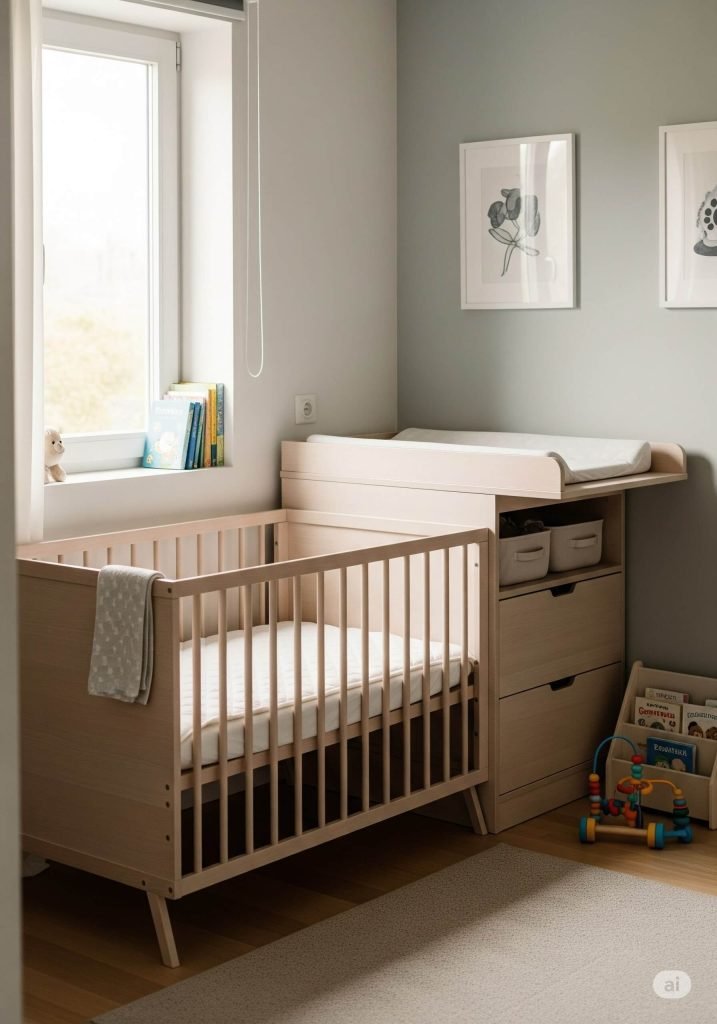
Bringing a new baby home is an incredibly exciting time, but if you’re navigating a small living space, the thought of fitting in all the essentials can feel overwhelming. One of the biggest hurdles? The crib. Standard cribs can be bulky, leaving little room for anything else. But fear not, modern design has answered the call with innovative and stylish cribs perfectly suited for compact nurseries, apartments, and shared rooms. Choosing the “best crib for small spaces” is all about smart design, safety, and functionality.
Why Space-Saving Cribs Are a Game Changer
Traditional cribs, while lovely, often measure around 28″ x 52″. In contrast, mini cribs typically come in at a more modest 24″ x 38″. This seemingly small difference in dimensions can free up significant floor space, making your nursery feel less cramped and more functional. Beyond mini cribs, advancements in design have also brought us foldable options, portable models, and even convertible cribs that adapt as your child grows, offering long-term value in a compact footprint.
Key Features to Look for in a Small Space Crib
When space is at a premium, every feature counts. Here’s what to prioritize:
- Compact Dimensions: This is the most crucial factor. Look for “mini cribs” or “compact cribs” explicitly designed for smaller footprints. Measure your available space meticulously before you start shopping to ensure a perfect fit.
- Foldable or Portable Design: For ultimate flexibility, consider cribs that can fold flat for easy storage or those with wheels for effortless movement between rooms. This is especially useful if you plan to share a room with your baby initially or if you need to reclaim space during the day.
- Adjustable Mattress Heights: As your baby grows, their mattress height needs to be adjusted for safety. Multiple mattress positions allow you to lower the mattress as your baby becomes more mobile, preventing them from climbing out.
- Convertibility: A convertible crib can be a smart long-term investment. Many mini cribs can transition from a bassinet to a mini crib, then to a toddler bed, and sometimes even a daybed or twin bed. This means you won’t need to buy new furniture as frequently, saving both space and money in the long run.
- Safety Certifications: Always prioritize safety. Ensure the crib meets all current safety standards, such as those set by the CPSC (Consumer Product Safety Commission) and JPMA (Juvenile Products Manufacturers Association). Look for GREENGUARD Gold certified cribs, which indicates low chemical emissions for a healthier indoor environment.
- Storage Solutions: Some cribs come with built-in drawers or shelving underneath. While not always a primary need, these can be a lifesaver in a small nursery where extra storage is always welcome for diapers, wipes, and other essentials.
- Breathable Design: Cribs with mesh sides or slatted designs promote better airflow, which is important for your baby’s comfort and safety.
Mini Cribs vs. Standard Cribs: Making the Right Choice
The choice between a mini crib and a standard crib largely depends on your space constraints and how long you intend for your baby to use the crib.
- Mini Cribs:
- Pros: Significantly smaller, highly portable, often more affordable, perfect for shared rooms or tiny nurseries. Many can convert to toddler beds, extending their usability.
- Cons: Shorter lifespan (typically up to 18-24 months or when your baby reaches 30 lbs/38 inches, whichever comes first), fewer options for sheets and accessories compared to standard cribs.
- Standard Cribs:
- Pros: Longer lifespan (can often be used until 3-4 years old, especially convertible models), more spacious for growing babies, wider variety of styles and accessories.
- Cons: Much larger footprint, less portable, generally higher price point.
For small spaces, mini cribs are almost always the preferred choice. They provide a safe and cozy sleeping environment for your infant without monopolizing your precious floor area.
Maximizing Your Small Nursery Space
Beyond choosing the right crib, here are some tips to make your small nursery feel bigger and more organized:
- Vertical Storage: Utilize wall-mounted shelves, pegboards, or slim bookcases instead of bulky dressers.
- Multi-functional Furniture: Opt for items that serve more than one purpose, like a dresser that doubles as a changing table.
- Strategic Placement: Position the crib against the longest wall or in a corner to maximize open floor space.
- Light Colors and Mirrors: Light paint colors can make a room feel larger and brighter. Strategically placed mirrors can also create an illusion of more space.
- Declutter Regularly: With limited space, it’s easy for clutter to accumulate. Regularly declutter and organize baby essentials to keep the room tidy.
Top Picks for Space-Saving Cribs (Examples based on common features)
While specific models and brands can vary, here are types of cribs that consistently perform well for small spaces:
- Foldable Mini Cribs: Brands like Babyletto Origami Mini Crib or Dream On Me 2-in-1 Lightweight Folding Portable Crib are highly popular. They fold flat for easy storage and often come with wheels for portability.
- Convertible Mini Cribs: The DaVinci Kalani Mini Crib or Babyletto Yuzu 8-in-1 Convertible Crib offer excellent longevity, transitioning from bassinet to toddler bed and sometimes even a twin bed.
- Portable Travel Cribs/Playards: While not traditional cribs, options like the Guava Lotus Travel Crib or BabyBjörn Travel Crib Light are incredibly lightweight, easy to set up, and can serve as primary sleep spaces in very small apartments or for families who travel frequently.
Remember to always check recent reviews and product specifications before making a purchase to ensure the crib meets your specific needs and current safety standards.
Conclusion
Creating a comfortable and safe nursery in a small space is entirely achievable with the right crib. By prioritizing compact dimensions, portability, adjustability, and safety, you can find a crib that not only fits your home but also provides a nurturing environment for your little one. Embrace smart design, and you’ll discover that even the tiniest nooks can become the perfect haven for your growing family.
FAQ: Best Crib for Small Spaces
Q1: What is the main difference between a mini crib and a standard crib? A: The primary difference is size. A mini crib is significantly smaller, typically measuring around 24″ x 38″, while a standard crib is about 28″ x 52″. This makes mini cribs ideal for compact nurseries, apartments, or shared rooms where space is limited.
Q2: How long can a baby use a mini crib? A: Most mini cribs are designed for use until your baby is around 18-24 months old, or when they reach a weight of approximately 30 lbs or a height of 38 inches, whichever comes first. Many convertible mini cribs can extend their lifespan by transforming into a toddler bed.
Q3: Are mini cribs as safe as standard cribs? A: Yes, when certified by organizations like the CPSC and JPMA, mini cribs are just as safe as standard cribs. Safety standards for slat spacing, construction, and materials apply to both. Always ensure the mattress fits snugly with no more than two fingers’ width between the mattress and the crib frame.
Q4: Can a regular crib mattress fit in a mini crib? A: No, a regular crib mattress (52″ x 28″) will not fit in a mini crib. Mini cribs require a specific mini crib mattress (typically 38″ x 24″). It’s crucial to use the correct size mattress for safety.
Q5: What are the benefits of a foldable crib? A: Foldable cribs are excellent for small spaces because they can be easily folded down for storage when not in use or for transport. This is particularly beneficial for families who need to reclaim space during the day, live in very small apartments, or travel frequently.