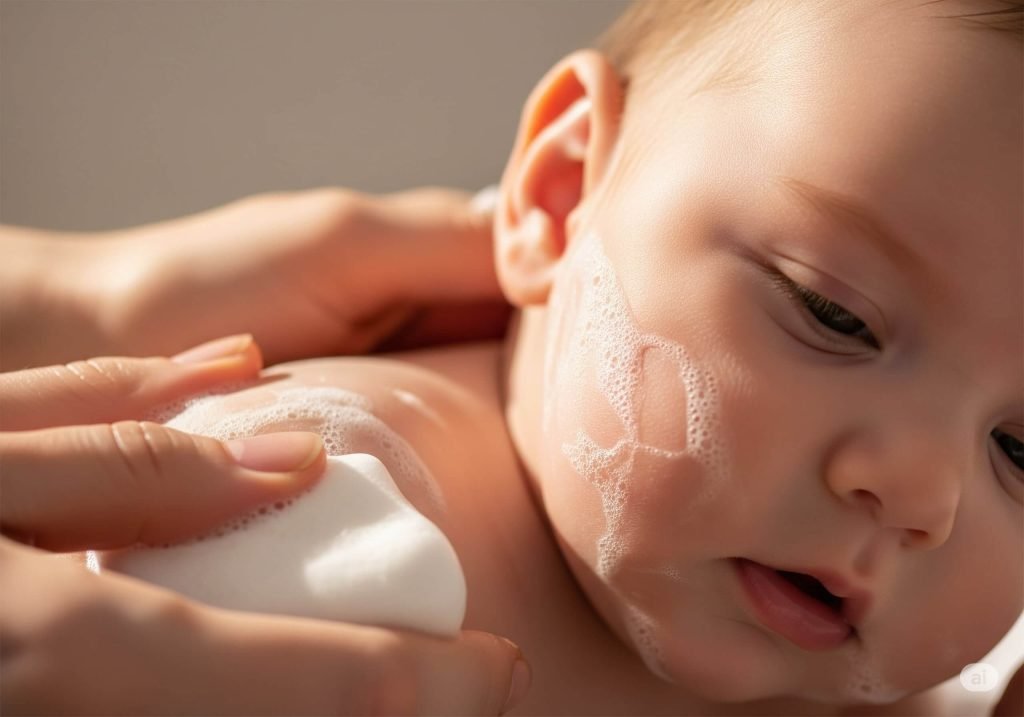
From their first gentle bath to playful splashes as toddlers, your baby’s skin deserves the purest care. It’s incredibly delicate, thinner, and more susceptible to irritation and dryness than adult skin. That’s why the choice of baby soap isn’t just a preference; it’s a critical decision for their well-being. In a market flooded with options, understanding why and how to choose baby soap without harsh chemicals is paramount.
Why Your Baby’s Skin Needs Extra Care
Imagine a shield, soft and permeable. That’s your baby’s skin. It’s still developing its natural protective barrier, making it vulnerable to external aggressors. Harsh chemicals found in many conventional soaps can strip away essential natural oils, disrupt this delicate barrier, and lead to:
- Dryness and Flakiness: The most common culprit, leaving your baby’s skin feeling tight and uncomfortable.
- Irritation and Redness: Chemicals can trigger inflammatory responses, causing visible redness and discomfort.
- Eczema Flare-ups: For babies prone to eczema, harsh ingredients can worsen symptoms and cause painful itchy patches.
- Allergic Reactions: Synthetic fragrances, dyes, and preservatives are frequent allergens, leading to rashes, hives, or respiratory issues.
- Long-term Health Concerns: Some chemicals have been linked to more serious health issues over time, including hormonal disruption.
Choosing baby soap without harsh chemicals is about providing a nurturing, protective embrace for their developing skin, ensuring bath time remains a joyful bonding experience, not a source of discomfort.
The “No-Go” List: Harsh Chemicals to Avoid in Baby Soap
Becoming an ingredient detective is essential when shopping for baby products. Here’s a comprehensive list of common harsh chemicals you should actively avoid:
- Parabens (e.g., Methylparaben, Propylparaben, Butylparaben): These preservatives are used to prevent bacterial growth but can mimic estrogen in the body, potentially disrupting hormones. Look for “paraben-free” labels.
- Sulfates (e.g., Sodium Lauryl Sulfate (SLS), Sodium Laureth Sulfate (SLES)): These are foaming agents that create lather but are notorious for stripping natural oils, leading to dryness and irritation. Opt for “sulfate-free” alternatives.
- Synthetic Fragrances/Perfumes: Often listed simply as “fragrance” or “parfum,” these are cocktails of numerous undisclosed chemicals that can cause allergic reactions, contact dermatitis, and even respiratory issues. Unscented or naturally scented with essential oils are far safer.
- Phthalates: Often hidden within “fragrance,” phthalates are linked to developmental and reproductive toxicity. Prioritize “phthalate-free” products.
- Formaldehyde and Formaldehyde-Releasing Agents (e.g., DMDM Hydantoin, Quaternium-15, Imidazolidinyl Urea): Formaldehyde is a known carcinogen, and these agents release it over time. They can cause skin irritation and allergic reactions.
- Phenoxyethanol: A preservative that can irritate sensitive skin and, in high concentrations, has been linked to nervous system effects.
- Artificial Colors/Dyes: Brightly colored soaps might look appealing, but these dyes are unnecessary and can cause skin irritation and allergic reactions.
- Triclosan and Triclocarban: These antibacterial agents are unnecessary for baby hygiene and can disrupt hormonal systems and contribute to antibiotic resistance.
- Alcohol (certain types): While some fatty alcohols are beneficial, drying alcohols can strip moisture.
- Propylene Glycol: Can cause skin irritation and allergic reactions in some babies.
- Mineral Oil/Petrolatum: Derived from petroleum, these can clog pores and prevent the skin from breathing. Natural oils are superior alternatives.
What to Look For: The Goodness in Gentle Baby Soaps
Instead of focusing on what to avoid, let’s highlight the beneficial ingredients that truly nurture your baby’s skin:
- Plant-Based Cleansers: Look for gentle, naturally derived surfactants like coco-betaine, decyl glucoside, or sodium cocoyl glycinate, which cleanse without harshness.
- Natural Oils: Ingredients like organic coconut oil, olive oil, almond oil, and sunflower oil are rich in fatty acids, providing deep hydration and helping to maintain the skin’s natural barrier.
- Soothing Botanicals: Aloe vera, calendula extract, chamomile, and oat kernel flour are renowned for their anti-inflammatory and calming properties, ideal for sensitive or irritated skin.
- Shea Butter: A natural emollient packed with vitamins, shea butter deeply moisturizes and softens the skin.
- Glycerin: A natural humectant, glycerin attracts and locks moisture into the skin, preventing dryness. Many natural soaps contain naturally occurring glycerin.
- pH-Balanced Formulas: A baby’s skin has a slightly acidic pH (around 5.5). Look for soaps that are pH-balanced to avoid disrupting this natural equilibrium.
- Hypoallergenic and Dermatologist-Tested: While not a guarantee, these labels indicate the product has been formulated to minimize allergic reactions and has been reviewed by dermatologists for safety on sensitive skin.
- Certifications: Look for reputable certifications like EWG Verified, USDA Organic, or similar seals that denote adherence to strict safety and ingredient standards.
Making the Switch: Tips for a Smoother Transition
If you’re currently using conventional baby soap, transitioning to a chemical-free alternative is simple:
- Patch Test: Before full use, apply a small amount of the new soap to a discreet area of your baby’s skin (e.g., inner arm) and observe for 24 hours for any reaction.
- Introduce Gradually: If possible, alternate between your current soap and the new natural one for a few days to allow your baby’s skin to adjust.
- Observe and Adapt: Pay close attention to how your baby’s skin reacts. Look for increased softness, reduced dryness, and a lack of redness or irritation.
- Pair with Natural Lotion: For optimal hydration, follow up bath time with a natural, fragrance-free baby lotion.
The Peace of Mind that Comes with Purity
Choosing baby soap without harsh chemicals isn’t just about avoiding potential harm; it’s about embracing a philosophy of natural, gentle care that supports your baby’s healthy development. It’s about turning bath time into a truly nourishing and calming ritual, free from worries about hidden irritants.
By prioritizing transparency in ingredients and opting for formulations that respect your baby’s delicate biology, you’re not only safeguarding their skin today but also laying the foundation for a lifetime of healthy skincare habits. Make the informed choice, and let your baby experience the gentle touch they truly deserve.
Frequently Asked Questions (FAQ)
Q1: Why is it so important to avoid harsh chemicals in baby soap? A1: Your baby’s skin is much thinner and more permeable than adult skin, making it highly susceptible to irritation, dryness, and absorption of chemicals. Harsh ingredients can strip natural oils, disrupt the skin barrier, and lead to issues like eczema, redness, and allergic reactions, potentially impacting long-term health.
Q2: What are some common harsh chemicals I should look out for and avoid? A2: Key ingredients to avoid include parabens, sulfates (SLS/SLES), synthetic fragrances/perfumes, phthalates, formaldehyde and formaldehyde-releasing agents, phenoxyethanol, artificial colors, triclosan, and mineral oil. Always read ingredient labels carefully.
Q3: What natural ingredients are beneficial in baby soap for sensitive skin? A3: Look for gentle, plant-based cleansers like coco-betaine, along with nourishing ingredients such as organic coconut oil, olive oil, shea butter, aloe vera, calendula extract, and glycerin. These ingredients help to cleanse, moisturize, and soothe delicate skin.
Q4: How can I tell if a baby soap is truly “without harsh chemicals”? A4: Check the ingredient list for the absence of the “no-go” chemicals mentioned above. Look for labels like “paraben-free,” “sulfate-free,” “fragrance-free,” “hypoallergenic,” and “dermatologist-tested.” Reputable certifications (e.g., EWG Verified, USDA Organic) can also provide assurance.
Q5: My baby has very sensitive or eczema-prone skin. What extra precautions should I take? A5: For extremely sensitive or eczema-prone skin, opt for unscented, ultra-gentle formulas specifically designed for these conditions. Always perform a patch test before full use, and consult with your pediatrician or a pediatric dermatologist for personalized recommendations. Products with ingredients like oat kernel flour or ceramides can be particularly beneficial for soothing and strengthening the skin barrier.