Introduction to Organic Baby Soap
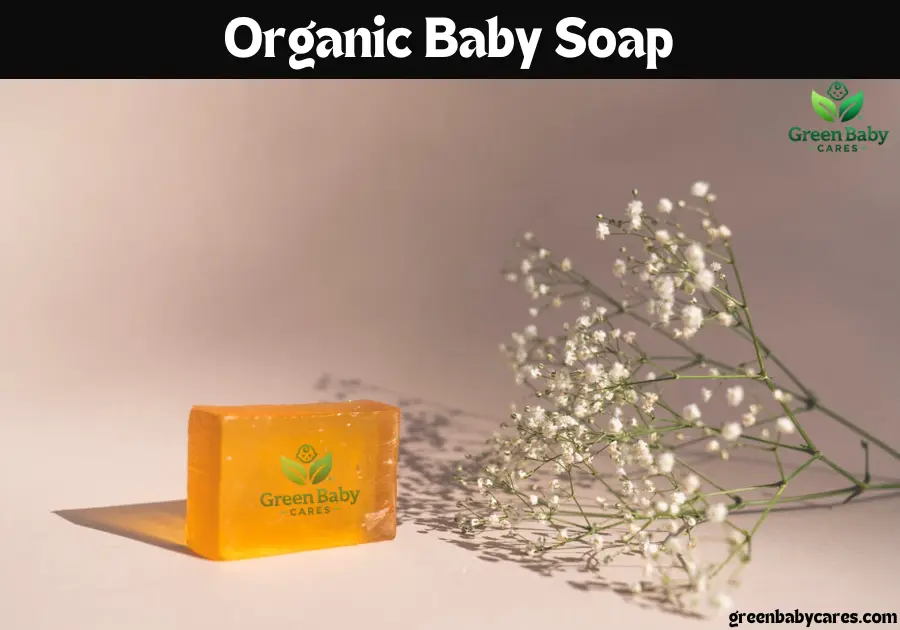
In recent years, there has been a notable shift towards organic products in various sectors of the consumer market, and baby care is no exception. Organic baby soap is increasingly gaining traction among parents seeking safe and effective cleansing options for their infants. Unlike conventional soaps, which may contain synthetic ingredients and harsh chemicals, organic baby soap is formulated using natural ingredients sourced from organic farming practices.
This means that it is free from artificial fragrances, parabens, sulfates, and other potentially harmful additives that can irritate delicate skin. The significance of choosing organic products for baby care cannot be overstated. Infants possess sensitive skin that is more susceptible to irritation and allergic reactions. Conventional soaps, laden with chemicals, pose risks that can be mitigated by opting for organic alternatives.
Organic baby soap often boasts ingredients such as coconut oil, shea butter, and essential oils, which are not only gentle on the skin but also provide nourishing benefits. These natural components help to maintain the skin’s moisture balance and support overall skin health, thereby ensuring that delicate baby skin is cared for appropriately.
Moreover, the environmental considerations associated with organic products make them an appealing choice for eco-conscious consumers. Organic farming practices prioritize sustainability and the use of non-toxic materials, which significantly reduces the ecological footprint compared to conventional methods. By choosing organic baby soap, parents are not only supporting their child’s health but are also making a positive contribution to the planet’s well-being.
In essence, the growing trend of organic baby soap reflects a broader commitment to health and sustainability, underscoring the importance of providing safe, gentle care for the youngest members of society. This guide will explore the extensive benefits, essential ingredients, and top recommendations for selecting the best organic baby soap available.
Why Choose Organic Baby Soap?
In recent years, the demand for organic baby soap has surged among parents seeking the best for their children. The shift towards organic products stems from an increased awareness of the potential risks associated with conventional soap, which may contain synthetic chemicals and harsh ingredients.
Organic baby soap offers parents peace of mind, allowing them to choose cleansers that align with their values of health and sustainability. One of the primary advantages of organic baby soap is the reduced risk of allergies and skin irritations. Babies have delicate and sensitive skin that is more susceptible to adverse reactions from artificial additives and allergens.
Traditional soaps often contain parabens, sulfates, and synthetic fragrances, all of which can trigger rashes or eczema. In contrast, organic baby soaps are typically formulated with natural ingredients that are gentle and soothing, minimizing the likelihood of skin discomfort.
People also like How To Use Bamboo Baby Diapers?
Furthermore, organic baby soap is often free from harmful chemicals that can negatively impact a child’s health. Many commercial soaps contain toxic substances that parents may want to avoid, including phthalates and artificial dye. By opting for organic options, parents can significantly reduce their baby’s exposure to these potentially dangerous elements.
Organic soaps typically utilize plant-based ingredients, such as aloe vera, coconut oil, and shea butter, which not only cleanse but also nourish the skin without imparting any harmful side effects.
In addition to health benefits, choosing organic baby soap supports environmentally friendly practices. Many brands prioritize sustainability and ethical sourcing, which contributes to a more substantial positive impact on the ecosystem. By making informed choices, parents can help promote a cleaner planet for future generations.
Ultimately, selecting organic baby soap is an opportunity for parents to ensure their children’s hygiene is achieved with safe, effective ingredients that contribute to their well-being both now and in the future.
Key Ingredients in Organic Baby Soap
Organic baby soap is formulated with natural ingredients that provide gentle care for delicate skin. Understanding these components is crucial for parents selecting products that promote skin health and minimize irritation. One of the most common ingredients found in organic baby soap is coconut oil.
Renowned for its moisturizing properties, coconut oil helps to hydrate the skin, alleviating dryness often experienced by infants. Additionally, it possesses antimicrobial properties, which can aid in protecting the skin from harmful bacteria.
Shea butter is another essential component in organic baby soap. This natural fat extracted from the nuts of the shea tree is rich in vitamins A and E, offering nourishing benefits to sensitive skin. It creates a protective barrier that locks in moisture, making it particularly beneficial for babies with eczema or dry patches. The smooth texture of shea butter also helps to prevent skin irritation, ensuring a soothing wash experience.
Furthermore, chamomile and calendula are frequently included for their calming and anti-inflammatory properties. Chamomile has long been used in skincare for its soothing effects, alleviating rashes and redness. Calendula, derived from the marigold flower, is known for its healing properties and ability to enhance skin recovery, making it perfect for baby soaps aimed at maintaining skin integrity.
While exploring organic baby soap options, it is equally important to identify ingredients to avoid. Sulfates and parabens are synthetic agents commonly found in conventional soaps that can irritate sensitive skin and disrupt its natural barriers. Opting for organic formulations free from these chemicals ensures a safer bathing experience for your baby, allowing their skin to remain healthy and nourished.
The Difference Between Organic and Natural Baby Soaps
When selecting products for infants, many parents encounter the terms “organic” and “natural,” often leading to confusion regarding their meanings and implications. While these terms may sound similar, they represent distinctly different categories, particularly when it comes to baby soaps. Understanding these distinctions is essential for making informed decisions about the skincare products used for delicate baby skin.
Organic baby soaps are those that are certified to meet specific agricultural standards, which are set by organizations such as the United States Department of Agriculture (USDA). For a product to be labeled as organic, it must be made from ingredients that have been grown and processed without the use of synthetic fertilizers, pesticides, or genetically modified organisms (GMOs).
Additionally, the product must also adhere to strict guidelines regarding production and handling, ensuring that at least 95% of its ingredients are organically sourced. This rigorous certification process offers a level of assurance that organic baby soaps are made with purity in mind, providing peace of mind for parents concerned about potential harmful chemicals.
In contrast, the term “natural” lacks a formal regulatory definition. Products labeled as natural may contain some ingredients derived from plant sources but can still incorporate synthetic additives and chemicals. Consequently, the efficacy and safety of natural baby soaps can significantly vary. Parents must exercise caution when opting for these products, as the presence of non-natural constituents can pose risks to sensitive infant skin.
Moreover, it is crucial for parents to read labels carefully. Understanding the differences between organic and natural baby soaps can empower consumers to choose options that align with their desires for safety and effectiveness. Therefore, being informed about the implications of these labels impacts the choices parents make regarding the care of their babies’ skin.
How to Choose the Right Organic Baby Soap
Selecting the appropriate organic baby soap for your child necessitates careful consideration of several factors to ensure safety and efficacy. A primary aspect of choosing the right product is to scrutinize product labels thoroughly. Parents should look for soaps that contain natural ingredients free from harmful chemicals, such as parabens, sulfates, and synthetic fragrances.
Ingredients derived from plants and essential oils are generally preferable, as they offer gentle cleansing properties without irritating sensitive skin. Another essential aspect of selecting organic baby soap is to seek certifications that indicate the product’s quality and safety. Reputable certifications, such as USDA Organic or EcoCert, signify that the product has been evaluated for its organic composition and adheres to stringent standards.
This not only assures parents of the product’s integrity but also guarantees that it is made with ingredients that are beneficial for a baby’s delicate skin. Skin type is another critical factor to consider when choosing organic baby soap. Babies may have various skin types ranging from sensitive to normal. Therefore, identifying your child’s specific skin needs is crucial.
For example, if your baby has dry or eczema-prone skin, look for soaps enriched with moisturizing ingredients like shea butter or coconut oil that can nourish and hydrate. Additionally, it is vital to be aware of any known allergies your child may have; avoiding common allergens is crucial to preventing adverse reactions.
Before committing to a new soap product, performing a patch test is highly recommended. Apply a small amount of the soap on a discreet area of your baby’s skin and monitor for any signs of irritation or allergic reaction over 24 hours. This simple yet effective procedure helps ensure the chosen organic baby soap is suitable for your little one, ultimately keeping their skin healthy and safe.
Top Organic Baby Soap Brands to Consider
When selecting the best organic baby soap, parents are often faced with a multitude of choices. Navigating through reputable brands can be overwhelming, yet several have distinguished themselves due to their commitment to quality ingredients and positive customer feedback. Here, we highlight a few leading brands that offer trustworthy organic baby soap options.
First on the list is Burt’s Bees Baby, known for its use of natural ingredients free from harsh chemicals. Their baby soap is made with a gentle formula featuring shea butter and sunflower oil, ensuring a soft and nourishing wash for delicate skin. Customers frequently praise the soothing scents and moisturizing properties of Burt’s Bees products, making it a popular choice among parents seeking reliability.
Earth Mama is another highly regarded brand in the organic baby soap market. Committed to producing safe and effective products, Earth Mama incorporates organic and natural ingredients into their soaps, such as calendula and aloe vera. The brand is particularly noted for its sustainable practices and has garnered positive reviews for its gentle, aromatic baby products that support sensitive skin.
The California Baby brand is also worth considering, especially for parents with babies who have skin sensitivities. Their organic baby soap utilizes a blend of natural botanicals, providing a mild cleansing solution that is effective yet gentle. California Baby is well-respected in the industry, and many reviews highlight the effectiveness of their products in preventing rashes and irritation.
For budget-conscious parents, CeraVe Baby offers a competitively priced organic baby soap that doesn’t compromise on quality. It is formulated with essential ceramides and is free from fragrances and parabens. Many customers appreciate the balance of affordability and effective moisturizing properties, making it an optimal choice for those looking for economical yet safe products.
Ultimately, when selecting an organic baby soap, it is essential to consider factors such as ingredients, overall quality, and customer feedback. Brands like Burt’s Bees, Earth Mama, California Baby, and CeraVe provide excellent options rooted in organic principles, enabling parents to make informed choices for their baby’s skincare. The right selection can provide peace of mind while ensuring a gentle cleansing experience for their little ones.
DIY Organic Baby Soap: A Simple Recipe
Creating your own organic baby soap at home can be an enjoyable and rewarding experience. Not only does it allow you to control the ingredients used, ensuring the purity and safety of the final product, but it also provides an opportunity to create a personalized gift for your little one or others in your community. Below is a simple recipe to guide you through the process of making organic baby soap.
For this recipe, you will need essential ingredients that are gentle on a baby’s skin. Here’s a list of what you will require:
- 1 cup of organic coconut oil
- 1 cup of organic olive oil
- 1 cup of organic shea butter
- 0.5 cup of distilled water
- 1 ounce of organic baby-safe essential oil (such as lavender or chamomile for a soothing scent)
- 1 ounce of lye (sodium hydroxide)
The soap-making process involves several steps. First, prepare your safety gear—gloves and goggles are essential when handling lye. Next, in a well-ventilated area, combine the lye with distilled water, stirring gently until dissolved. Be cautious, as this mixture will release heat. Allow it to cool while you combine the coconut oil, olive oil, and shea butter in a separate container, warming them gently until fully melted.
Once both mixtures are around the same temperature (ideally between 100°F to 110°F), slowly pour the lye mixture into the oils while blending with a stick blender. Keep blending until the mixture reaches a “trace”—this is when it thickens and leaves a mark when drizzled on the surface. Finally, add your chosen essential oil for fragrance and pour the soap mixture into molds.
Let the soap cure for at least 24 hours before unmolding, and then allow it to cure for another 4 to 6 weeks. This waiting period allows the soap to harden and ensures safety for your baby’s delicate skin. Crafting your own organic baby soap not only provides peace of mind regarding ingredients but also offers a personal connection to your child’s daily care routine.
Frequently Asked Questions About Organic Baby Soap
1. How often should I bathe my baby with soap?
It’s recommended to bathe babies two to three times a week to preserve their delicate skin’s natural oils. During these baths, you can use a gentle organic soap to cleanse without stripping away essential oils.
2. What should I do if my baby shows signs of irritation after using organic soap?
If your baby experiences irritation:
- Stop using the soap immediately.
- Rinse the affected area thoroughly with lukewarm water to remove any residue.
- If irritation persists, consult a pediatrician to rule out allergies or sensitivities to ingredients.
3. Is bar soap or liquid soap better for babies?
Both are excellent choices, depending on your needs:
- Bar soap: Contains fewer preservatives, eco-friendly, and less likely to become contaminated. Ensure it is stored in a dry place.
- Liquid soap: Easier to apply during wiggly bath times and often comes in pump bottles for convenience.
Choose based on personal preference and your baby’s specific requirements.
Conclusion: Making Informed Choices for Your Baby’s Skin
In today’s market, the selection of baby care products is abundant, yet discerning which are truly beneficial for your child’s health and wellness can be challenging. Throughout this guide, we have highlighted the numerous benefits of using organic baby soap.
Unlike conventional soap, organic options often contain natural ingredients that are free from harmful chemicals and artificial fragrances, which can irritate sensitive skin. This is particularly crucial for infants whose skin is thinner and more delicate, making them more susceptible to adverse reactions.
Additionally, the environmental advantages of opting for organic baby soap cannot be overstated. Such products are typically made from sustainably sourced ingredients and packaged in eco-friendly materials, reducing their carbon footprint and promoting a healthier planet for future generations. Choosing organic is not merely a matter of skincare; it is a proactive step towards sustainable living.
Parents are encouraged to scrutinize labels and seek transparency in the products they choose. Understanding the ingredients is vital, as many conventional soaps may contain sulfates, parabens, and synthetic preservatives that could compromise the health of your baby’s skin. Instead, look for organic soaps rich in natural oils, botanicals, and other gentle components that aid in nourishing and protecting the skin.
We encourage parents to continue researching organic options and to remain open to exploring new products that align with their values regarding health and environmental consciousness. By making informed choices based on the insights shared in this guide, you can ensure that your baby’s skin receives the gentle care it deserves while contributing to a healthier world. Remember, informed choices lead not only to healthier babies but also pave the way for a cleaner environment.