
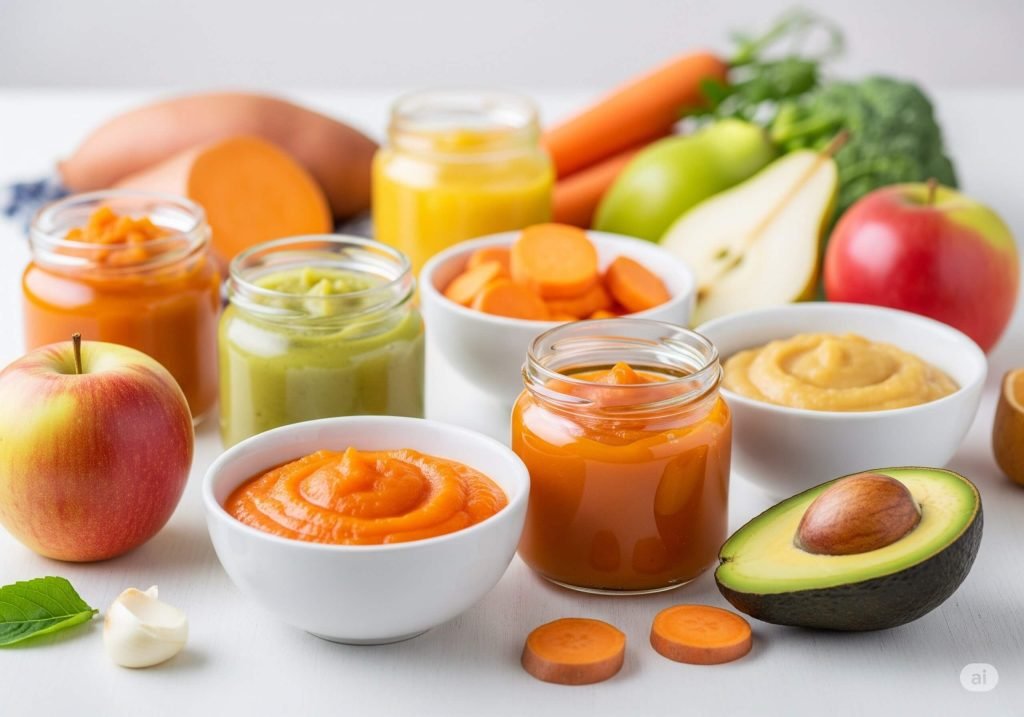
Bringing a new baby into the world is an incredible journey, filled with firsts. One of the most exciting milestones is introducing solid foods. While store-bought options offer convenience, nothing quite beats the goodness and peace of mind that comes with preparing homemade baby purees. You control every ingredient, ensuring your little one gets the freshest, most nutritious start.
This comprehensive guide will unlock a world of delicious homemade baby puree ideas, transforming mealtime into an exciting adventure for both you and your baby. We’ll delve into the benefits, offer creative recipes, and provide essential tips for success.
Why Choose Homemade Baby Purees? The Unbeatable Benefits
The decision to make your own baby food is a fantastic one, offering a multitude of advantages:
- Complete Control Over Ingredients: Say goodbye to hidden sugars, salts, preservatives, and fillers often found in commercial baby foods. With homemade purees, you know exactly what goes into your baby’s body, allowing you to choose fresh, organic produce and cater to any specific dietary needs or allergies.
- Superior Nutritional Value: Fresh ingredients, minimally processed, retain more of their vital vitamins, minerals, and enzymes. This means your baby gets a powerful nutritional punch with every spoonful, supporting their healthy growth and development.
- Cost-Effective: Making baby food at home can significantly reduce your grocery bill. Buying ingredients in bulk and utilizing seasonal produce can be much more economical than consistently purchasing pre-packaged jars or pouches.
- Introducing Diverse Flavors: Homemade purees allow you to expose your baby to a wide array of natural flavors from fruits, vegetables, and even meats. This early exposure helps develop their palate, encourages adventurous eating habits, and can prevent picky eating down the line.
- Texture Exploration: As your baby grows, you can easily adjust the texture of homemade purees, gradually transitioning from silky smooth to thicker, chunkier mashes. This helps them develop crucial chewing and swallowing skills.
- Reduced Waste: You only make what you need, minimizing food waste compared to opening a whole jar that might not be fully consumed.
- Bonding Experience: Preparing food for your baby can be a loving and rewarding experience, fostering a deeper connection through shared mealtimes.
Getting Started: Essential Tools for Puree Perfection
You don’t need a professional kitchen to make amazing baby purees. A few basic tools will make the process smooth and enjoyable:
- Steamer Basket & Pot: Steaming is the preferred method for cooking most fruits and vegetables for pureeing, as it retains the most nutrients.
- Blender or Food Processor: A high-speed blender or a good quality food processor is essential for achieving smooth, lump-free purees. An immersion blender can also be incredibly convenient for smaller batches.
- Ice Cube Trays: Perfect for freezing individual portions of puree.
- Airtight Containers: For storing purees in the refrigerator or freezer.
- Silicone Spatula: For scraping down the sides of your blender and transferring purees.
Delightful Homemade Baby Puree Ideas: From First Bites to Flavorful Feasts
When introducing solids, remember to offer single-ingredient purees first, waiting 3-5 days between each new food to check for any allergic reactions. Always consult with your pediatrician before introducing new foods, especially common allergens.
Here are some fantastic puree ideas, categorized for your convenience:
First Foods (4-6 Months, or when ready):
These are typically gentle on tiny tummies and have a naturally sweet or mild flavor.
- Sweet Potato Puree: A classic for a reason! Rich in Vitamin A and naturally sweet. Simply steam until tender, then blend with a little breast milk, formula, or water.
- Carrot Puree: Another naturally sweet and vibrant option, packed with beta-carotene. Steam and blend to a smooth consistency.
- Butternut Squash Puree: Creamy and full of Vitamin A and C. Roasting the squash before pureeing enhances its sweetness.
- Green Pea Puree: Surprisingly sweet and a good source of protein and fiber. Steam fresh or frozen peas, then blend. You might need to strain out some of the skins for a super smooth puree.
- Avocado Puree: No cooking required! Simply mash ripe avocado with a fork or blend for a creamier texture. A fantastic source of healthy fats.
- Apple Puree: A gentle fruit, full of fiber. Core and peel an apple, steam until soft, then blend.
- Pear Puree: Similar to apple puree, offering a sweet and smooth introduction to fruits.
Expanding Horizons (6-8 Months):
As your baby gets more comfortable with solids, you can introduce a wider variety of flavors and even simple combinations.
- Banana Puree: Super easy and a great source of potassium. Just mash a ripe banana.
- Peach Puree: Sweet and juicy, a delightful addition. Peel, pit, and steam fresh peaches before pureeing.
- Zucchini Puree: A mild green vegetable that blends beautifully. Steam until soft and puree.
- Green Bean Puree: Another nutritious green vegetable. Steam and blend.
- Brown Rice Cereal Puree: While not a “puree” in the fruit/veg sense, iron-fortified rice cereal mixed with breast milk or formula is often a first food recommended by pediatricians for its iron content.
- Oatmeal Puree: Similar to rice cereal, offering good fiber. Cook plain rolled oats and blend with liquid.
- Simple Combinations: Once your baby has successfully tried individual ingredients, you can start combining them. Think:
- Sweet Potato & Apple
- Carrot & Pear
- Butternut Squash & Green Pea
Adventurous Eaters (8-10+ Months):
At this stage, you can introduce more complex flavors, textures, and protein sources. Remember to always cook meats thoroughly and puree them to an appropriate consistency.
- Chicken Puree: Cooked, boneless, skinless chicken breast blended with a little broth or water for a smooth protein-rich meal.
- Lentil Puree: Cooked lentils, a great plant-based protein source, blended until smooth.
- Broccoli Puree: Steam broccoli florets until very tender, then puree. Its slightly stronger flavor can be a good next step.
- Cauliflower Puree: Mild and creamy, blends well. Steam and puree.
- Spinach Puree: A powerhouse of nutrients. Steam fresh spinach and blend, perhaps with a sweeter fruit or vegetable to balance the taste.
- Berry Blends: Strawberries, blueberries, raspberries – fantastic antioxidants! Blend with a little water or yogurt (if introduced).
- Avocado & Banana Smoothie: A nutritious and easy-to-make blend.
Tips for Homemade Baby Puree Success
- Choose Fresh, Ripe Ingredients: The fresher and riper your produce, the better the flavor and nutrient content.
- Wash Thoroughly: Always wash fruits and vegetables thoroughly before preparing.
- Cook Until Tender: Ensure fruits and vegetables are cooked until very soft to achieve a smooth puree and aid digestion. Steaming is ideal.
- Adjust Consistency: Use breast milk, formula, cooled boiled water, or even the cooking liquid from steaming to achieve the desired consistency. Start thin for younger babies and gradually thicken as they grow.
- Batch Cook and Freeze: This is a game-changer for busy parents! Prepare larger batches of purees and freeze them in ice cube trays. Once frozen, transfer the cubes to freezer-safe bags or containers. This provides quick and easy meal portions.
- Thawing and Reheating: Thaw frozen purees in the refrigerator overnight or use a warm water bath. Reheat gently on the stovetop or in a microwave, stirring well to ensure even heating. Always test the temperature before feeding your baby.
- Never Add Salt or Sugar: Babies do not need added salt or sugar. Their kidneys are not developed enough to process excess salt, and sugar creates unhealthy eating habits.
- Introduce Allergens Safely: For common allergens like peanuts, eggs, or dairy, follow your pediatrician’s guidance. Often, early, small introductions are now recommended.
- Observe Your Baby: Pay attention to your baby’s cues. Some babies love certain flavors, others might need a few tries before accepting a new food. Don’t force it.
- Keep it Fun! Mealtime should be a positive experience. Let your baby explore textures (even if it’s messy!), and celebrate their food discoveries.
Homemade baby purees are a wonderful way to provide your little one with a healthy, diverse, and delicious start to their solid food journey. With a little planning and these creative ideas, you’ll be a puree pro in no time!
Frequently Asked Questions (FAQs) about Homemade Baby Purees
Q1: When can I start introducing homemade baby purees to my baby?
Meta Description: Discover the ideal age to begin homemade baby purees, typically around 4-6 months, and key developmental signs indicating readiness for solid foods.
A: Most pediatricians recommend introducing solid foods, including purees, around 4-6 months of age. Look for signs of readiness such as good head control, sitting with support, showing interest in your food, and the disappearance of the tongue-thrust reflex (where they push food out of their mouth). Always consult your pediatrician before starting solids.