
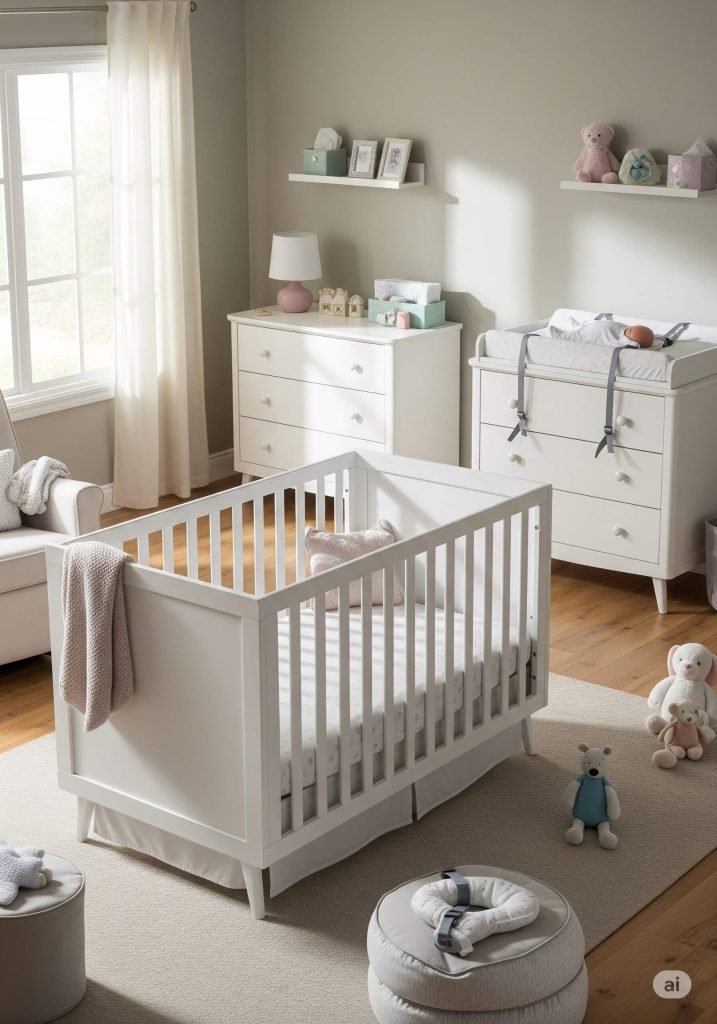
Bringing a new baby home is an exciting time, filled with dreams of first giggles, tiny toes, and endless cuddles. As you prepare your nursery, a crucial aspect often overlooked in the flurry of adorable decorations is the safety of your baby’s furniture. Far more than just aesthetics, adhering to strict baby furniture safety standards is paramount to creating a secure environment where your little one can sleep, play, and grow without preventable hazards.
This comprehensive guide will walk you through the essential safety standards for common baby furniture, empowering you to make informed choices and ensure your nursery is a haven of safety.
The Foundation of Safety: Why Standards Matter
Baby furniture is specifically designed with the unique developmental stages of infants and toddlers in mind. Without proper safety standards, furniture can pose serious risks, from entrapment and falls to strangulation and suffocation. Regulatory bodies worldwide, such as the U.S. Consumer Product Safety Commission (CPSC) and ASTM International, continually update and enforce these standards to protect our most vulnerable.
These standards dictate everything from the spacing of crib slats to the stability of dressers, ensuring that manufacturers build products that can withstand the rigors of infant use and prevent common accidents.
Crib Safety: The Heart of the Nursery
The crib is where your baby will spend a significant amount of time, making its safety paramount. Modern cribs are designed with fixed sides, as drop-side cribs were banned due to numerous entrapment and strangulation incidents.
Here’s what to look for:
- Slat Spacing: The space between crib slats should be no more than 2 3/8 inches (approximately 6 cm). This prevents your baby’s head or limbs from getting trapped.
- Firm Mattress Fit: The crib mattress must fit snugly, with no more than a two-finger gap between the mattress and the crib frame. A loose mattress can create a dangerous space where a baby can become wedged.
- Adjustable Mattress Height: As your baby grows and becomes more mobile, the mattress height needs to be adjusted. Start lowering the mattress when your baby begins to sit up unassisted, and set it to its lowest position once they can stand. This prevents them from climbing out.
- No Corner Posts or Decorative Cutouts: Avoid cribs with tall corner posts or decorative cutouts in the headboard or footboard, as these can snag clothing or trap a child’s head or limbs.
- Sturdy Construction and Hardware: All screws, bolts, and other hardware should be tight and secure. Regularly inspect the crib for any loose parts, splinters, or damage.
- Lead-Free Paint: Ensure the crib is made with non-toxic, lead-free finishes.
- Clear the Crib: Keep the crib free of all soft bedding, bumper pads, pillows, stuffed animals, and loose blankets. These items can pose suffocation risks. Dress your baby in a sleep sack or wearable blanket instead.
- Location, Location, Location: Place the crib away from windows, blinds, curtains with cords, heaters, and electrical outlets. Cords are a strangulation hazard, and extreme temperatures can be dangerous for infants.
Dressers and Storage Units: Anchoring for Stability
As your baby grows, their curiosity will lead them to explore. Dressers and other storage units, if not properly secured, can tip over and cause severe injury or even death. This is a tragically common accident that is entirely preventable.
Key safety measures include:
- Anchor to the Wall: This is non-negotiable. Always secure heavy furniture like dressers, bookshelves, and changing tables to the wall using anti-tip kits or furniture straps. Most new furniture comes with these devices, and they are inexpensive to purchase if not included.
- Heavier Items Below: Store heavier items in the lower drawers to keep the center of gravity low and improve stability.
- Discourage Climbing: Avoid placing tempting items like toys on top of dressers that might encourage your child to climb.
Changing Tables: Vigilance is Key
Changing tables offer a convenient height for diaper changes, but they also present a fall risk if not used properly.
Safety tips for changing tables:
- Always Use Safety Straps: If provided, always secure your baby with the safety strap. However, never rely solely on the strap.
- One Hand on Baby: Crucially, always keep one hand on your baby while they are on the changing table, even if the safety strap is fastened. Never turn your back or walk away, even for a second.
- Keep Supplies Within Reach: Have all diapering essentials (diapers, wipes, cream) within arm’s reach before placing your baby on the table. This prevents you from having to step away.
- Sturdy and Stable: Ensure the changing table is stable and has raised edges (at least 100mm high) to prevent rolling off.
- Consider a Mat on the Floor: For ultimate safety, especially as your baby becomes more mobile, consider changing diapers on a changing mat placed directly on the floor.
High Chairs: Secure Mealtime
High chairs are essential for introducing solids, but proper use is vital to prevent falls and other injuries.
High chair safety pointers:
- Always Use the Harness: Secure your child with the provided five-point harness every time they are in the high chair.
- Stable Base: Choose a high chair with a wide, stable base to prevent tipping.
- Proper Placement: Place the high chair away from walls, counters, and other furniture that your child could push off against or reach hazardous items.
- No Standing: Never allow your child to stand in the high chair.
- Regular Cleaning: Keep the high chair clean, especially the tray and harness, to prevent food residue buildup.
Playpens and Play Yards: Supervised Safe Zones
Playpens and play yards can be excellent tools for creating a contained, safe play area, but they are not a substitute for supervision.
Safety considerations for playpens:
- JPMA Certified: Look for playpens certified by organizations like the Juvenile Products Manufacturers Association (JPMA), indicating they meet safety standards.
- Mesh Integrity: If mesh-sided, ensure the holes are no larger than ¼ inch (0.6 cm) to prevent fingers or buttons from getting caught. The mesh should be securely attached and free of tears.
- Slat Spacing (if wooden): Similar to cribs, wooden slats should be no more than 2 3/8 inches (6 cm) apart.
- Sturdy and Stable: The playpen should be strong and not easily tipped over. Ensure all folding parts have secure locking latches that your baby cannot undo.
- No Soft Bedding: Do not use soft bedding or pillows in a playpen.
- Outgrow Limits: Stop using the playpen when your child can easily climb out or reaches the manufacturer’s specified height/weight limit (typically around 34 inches or 86 cm, or 30 pounds or 14 kg).
Baby Gates: Barrier to Danger
Baby gates are invaluable for preventing access to stairs and off-limit areas.
Baby gate safety tips:
- Hardware-Mounted for Stairs: Always use hardware-mounted gates at the top of stairs for maximum security. Pressure-mounted gates are suitable for doorways between rooms where a fall risk isn’t present.
- Proper Height: The gate should be at least 75 cm (29.5 inches) high.
- Slat Spacing: Gaps between vertical bars should be between 50mm and 95mm (2-3/8 to 3-3/4 inches) to prevent entrapment. Avoid gates with horizontal bars that could be used as footholds.
- Secure Installation: Follow manufacturer instructions carefully for installation and regularly check that the gate is firmly in position.
- No Footholds: Ensure there are no features your child could use as footholds to climb over.
The Ongoing Commitment to Safety: Beyond Purchase
Purchasing safe furniture is just the first step. Ongoing vigilance is crucial:
- Regular Inspections: Periodically inspect all baby furniture for loose screws, broken parts, splinters, or any signs of wear and tear. Tighten hardware as needed.
- Check for Recalls: Regularly check the CPSC website or other relevant consumer product safety databases for recalls on baby furniture you own. Register your products with the manufacturer after purchase to receive direct notifications.
- Follow Instructions: Always read and follow the manufacturer’s assembly and usage instructions for all furniture.
- Educate Caregivers: Ensure anyone caring for your child is aware of and adheres to all safety guidelines.
By prioritizing baby furniture safety standards, you create a home environment where your child can thrive, explore, and grow, offering you the invaluable peace of mind that comes with knowing they are protected.
Frequently Asked Questions (FAQ)
Q1: What is the most important safety feature to look for in a baby crib? A1: The most crucial safety feature in a baby crib is fixed sides (no drop sides) and slat spacing of no more than 2 3/8 inches (6 cm) to prevent entrapment. A snug mattress fit is also essential.
Q2: How often should I check my baby’s furniture for safety? A2: It’s recommended to regularly inspect all baby furniture for loose parts, damage, or wear and tear, ideally at least once a month, and especially after moving furniture or if your child becomes more active.
Q3: Can I use hand-me-down baby furniture? A3: While it can be tempting, it’s generally best to avoid using old or hand-me-down baby furniture, especially cribs. Older furniture may not meet current safety standards, might have been recalled, or could have worn-out parts that compromise safety. Always check for current safety standards and recalls if considering used items.
Q4: What are anti-tip kits, and why are they important? A4: Anti-tip kits are devices (straps or brackets) used to secure heavy furniture like dressers and bookshelves to the wall. They are critically important to prevent furniture from tipping over if a child climbs on or pulls on it, a common cause of serious injuries and fatalities.
Q5: When should I stop using a baby gate? A5: You should stop using a baby gate when your child learns to climb over it, or when they reach the maximum height or weight recommended by the manufacturer. This is typically around 2 years of age or when they are approximately 35 inches (89 cm) tall.