
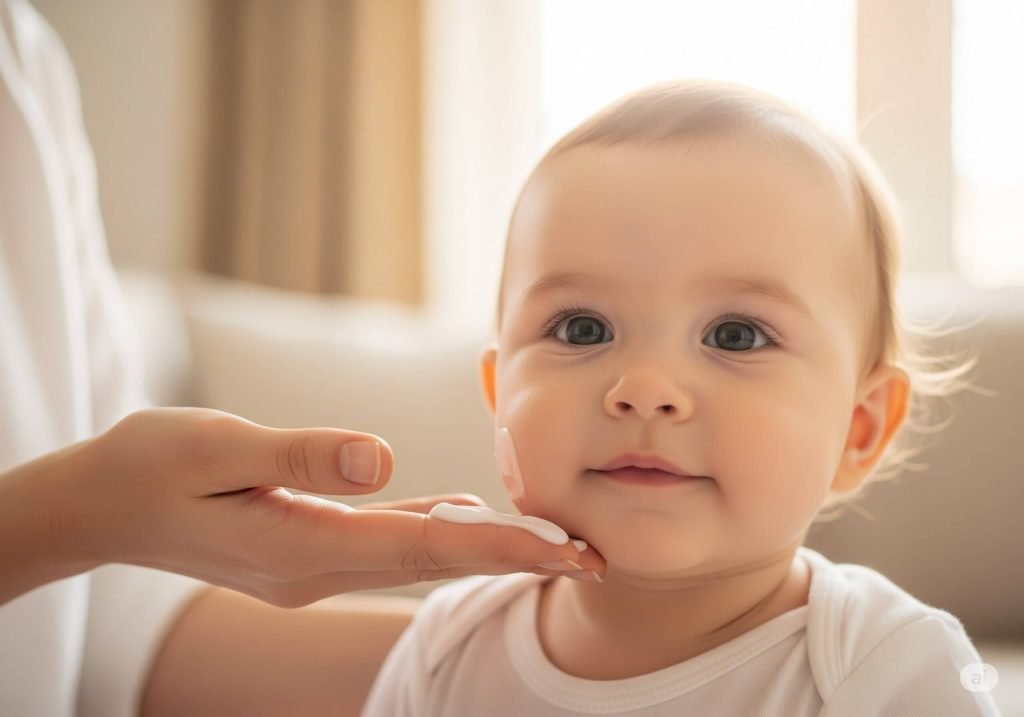
Bringing a new baby into the world is an incredible journey filled with joy, wonder, and, let’s be honest, a fair share of worries. Among these concerns, especially for new parents, is navigating the delicate world of baby skin. And for many, this concern amplifies when their little one develops eczema. Those red, itchy, sometimes scaly patches can be distressing to witness, leaving parents searching for effective solutions to bring their baby comfort.
Eczema, or atopic dermatitis, is a common inflammatory skin condition that affects millions of babies worldwide. It can manifest as dry, irritated, red, and intensely itchy patches on various parts of the body, often on the face, scalp, and the creases of elbows and knees. While it’s not contagious, it can significantly impact a baby’s comfort and sleep. The good news is that with the right approach to skincare, you can effectively manage and soothe your baby’s eczema, bringing them much-needed relief.
This comprehensive guide will walk you through everything you need to know about choosing eczema-friendly baby skincare brands. We’ll delve into the ingredients to embrace and those to avoid, explore top-rated brands trusted by parents and dermatologists, and provide practical tips for creating a gentle skincare routine that nurtures your baby’s delicate skin.
Understanding Baby Eczema: A Closer Look
Before we dive into product recommendations, it’s essential to understand what causes baby eczema and how it affects their skin. Eczema in babies is often linked to a compromised skin barrier. Think of your skin as a protective wall; in babies with eczema, this wall has tiny cracks, allowing moisture to escape and irritants and allergens to enter more easily. This leads to dryness, inflammation, and the characteristic itch.
Several factors can contribute to baby eczema, including:
- Genetics: If one or both parents have a history of eczema, asthma, or allergies, their baby is more likely to develop eczema.
- Environmental Triggers: Things like harsh soaps, fragranced products, certain fabrics (like wool or synthetic materials), dry air, dust mites, and even sweat can trigger or worsen eczema flare-ups.
- Food Allergies/Sensitivities: In some cases, certain foods can be a trigger for eczema, though this is less common than environmental irritants. Always consult with your pediatrician if you suspect food allergies.
Recognizing these potential triggers is the first step in managing your baby’s eczema effectively.
The Golden Rule: What to Look For (and Avoid) in Baby Skincare
When selecting products for your eczema-prone baby, think “less is more” and “gentle is key.” Here’s a breakdown of what to prioritize and what to steer clear of:
Ingredients to Embrace:
- Ceramides: These are lipids naturally found in the skin that help form and strengthen the skin barrier. Products enriched with ceramides are excellent for restoring moisture and protecting sensitive skin.
- Colloidal Oatmeal: A time-tested ingredient, colloidal oatmeal is renowned for its anti-inflammatory and soothing properties. It helps to calm irritated skin and relieve itching.
- Hyaluronic Acid: A powerful humectant, hyaluronic acid attracts and holds moisture in the skin, providing deep hydration.
- Shea Butter: Rich in vitamins and fatty acids, shea butter offers intense moisturization and creates a protective barrier on the skin.
- Natural Oils (in moderation and patch-tested): Some natural oils like coconut oil (virgin, unrefined), sunflower oil, and sweet almond oil can be beneficial for moisturizing, but always patch-test first to ensure no irritation. Look for formulations specifically designed for sensitive skin.
- Glycerin: Another excellent humectant that draws moisture into the skin.
Ingredients to Avoid (The “No-No” List):
These ingredients are common culprits for irritating sensitive and eczema-prone skin:
- Fragrances (Natural & Artificial): This is perhaps the most crucial ingredient to avoid. Even “natural” fragrances or essential oils can be highly irritating. Always opt for “fragrance-free” products.
- Dyes: Artificial colors offer no benefit and can trigger skin reactions.
- Sulfates (SLS/SLES): These harsh cleansing agents can strip the skin of its natural oils, leading to dryness and irritation. Look for “sulfate-free” washes.
- Parabens: These preservatives can sometimes cause allergic reactions in sensitive individuals.
- Phthalates: Often found in fragranced products, phthalates are best avoided.
- Formaldehyde Releasers: These preservatives can irritate the skin.
- Propylene Glycol: Can be an irritant for some individuals with sensitive skin.
- Urea: While sometimes used for rough skin, it can sting and irritate broken eczema-prone skin, especially in babies.
- Lanolin: Though a natural emollient, some individuals with eczema can be allergic to lanolin, so it’s best to avoid it if your baby reacts.
- Retinoids: These Vitamin A derivatives are generally too potent for sensitive baby skin.
- Ethanol/Alcohol: Extremely drying and can exacerbate eczema flare-ups.
Always read ingredient labels carefully and look for products that are “hypoallergenic,” “dermatologist-tested,” and “National Eczema Association (NEA) accepted” – the NEA seal is a strong indicator of a product’s suitability for eczema-prone skin.
Top Eczema-Friendly Baby Skincare Brands to Consider
Many brands have dedicated lines specifically formulated for sensitive and eczema-prone baby skin. Here are some highly-rated and widely recommended options:
- Aveeno Baby Eczema Therapy: A consistent favorite among parents and pediatricians. Their Eczema Therapy line features colloidal oatmeal and ceramides to soothe and moisturize.
- Popular Products: Eczema Therapy Moisturizing Cream, Eczema Therapy Nighttime Balm, Soothing Relief Creamy Wash.
- CeraVe Baby: Developed with dermatologists, CeraVe Baby products are known for their ceramide-rich formulas that help restore and maintain the skin’s natural barrier.
- Popular Products: Baby Moisturizing Cream, Baby Wash & Shampoo, Baby Healing Ointment.
- Eucerin Baby Eczema Relief: This brand offers effective solutions with colloidal oatmeal and ceramides, designed to relieve itching and irritation.
- Popular Products: Eczema Relief Body Cream, Eczema Relief Flare-Up Treatment.
- Mustela Stelatopia: A French brand highly regarded for its natural-origin ingredients and specific formulations for atopic skin. Their Stelatopia range uses sunflower oil distillate to replenish the skin barrier.
- Popular Products: Stelatopia Emollient Cream, Stelatopia Cleansing Gel.
- Vanicream: Known for its minimalist formulations, Vanicream products are free from common irritants, making them a top choice for extremely sensitive skin.
- Popular Products: Moisturizing Cream, Gentle Facial Cleanser.
- Cetaphil Baby Eczema Restoraderm: This line combines colloidal oatmeal with ceramide and patented Filaggrin technology to hydrate and calm dry, itchy skin.
- Popular Products: Eczema Restoraderm Flare-Up Relief Cream, Eczema Restoraderm Soothing Moisturizer.
- Pipette Baby: Focuses on clean, plant-derived ingredients and offers fragrance-free options suitable for sensitive skin.
- Popular Products: Baby Shampoo + Wash Fragrance Free, Baby Lotion Fragrance Free.
- Tubby Todd All Over Ointment: While not a full line, their “All Over Ointment” has garnered a cult following among parents for its effectiveness in soothing baby eczema and irritation. It’s plant-based and known for its gentle, yet powerful, ingredients.
When choosing, remember that every baby’s skin is unique. What works wonders for one might not be the perfect fit for another. It’s often a process of trial and error, so start with smaller sizes and introduce new products one at a time.
Crafting an Eczema-Friendly Skincare Routine
Beyond selecting the right products, establishing a consistent and gentle skincare routine is paramount for managing baby eczema.
- Lukewarm Baths: Opt for short, lukewarm baths (5-10 minutes) daily or every other day. Hot water can strip the skin of its natural oils.
- Gentle Cleansing: Use only a small amount of a fragrance-free, sulfate-free cleanser. Avoid scrubbing the skin.
- Pat Dry, Don’t Rub: After bathing, gently pat your baby’s skin almost dry with a soft cotton towel. Leave it slightly damp.
- Moisturize Immediately: This is perhaps the most critical step. Within three minutes of taking your baby out of the bath, liberally apply an eczema-friendly cream or ointment. This “lock-in” method helps seal in moisture.
- Moisturize Throughout the Day: Apply moisturizer at least twice a day, and more often if your baby’s skin feels dry. A good time is during diaper changes.
- Dress in Soft Fabrics: Choose loose-fitting clothing made from 100% cotton or bamboo. Avoid wool and synthetic materials, which can irritate the skin.
- Laundry Care: Use a fragrance-free, hypoallergenic laundry detergent. Double rinse clothes to ensure no residue remains.
- Keep Nails Short: Trim your baby’s nails regularly to prevent scratching, which can worsen eczema and lead to infection. Cotton mittens can also be helpful, especially at night.
- Maintain a Cool and Humid Environment: Dry, hot air can exacerbate eczema. Use a humidifier in your baby’s room, especially during dry seasons.
- Identify and Avoid Triggers: Keep a “skin log” to note potential triggers, such as certain foods, soaps, or environmental factors, and try to minimize exposure to them.
When to Seek Professional Help
While a consistent skincare routine can significantly improve baby eczema, there are times when professional medical advice is necessary. Consult your pediatrician or a dermatologist if:
- The eczema is severe, widespread, or weeping/crusting.
- The eczema is not improving with over-the-counter products and home care.
- Your baby is experiencing significant discomfort, difficulty sleeping, or signs of infection (fever, pus, increased redness or swelling).
- You suspect food allergies are a trigger.
Your doctor can provide a diagnosis, prescribe stronger medications if needed (like topical steroids), and offer personalized advice for managing your baby’s specific condition.
Conclusion
Navigating baby eczema can feel overwhelming, but with the right knowledge and tools, you can bring immense relief and comfort to your little one. By understanding the importance of a healthy skin barrier, choosing eczema-friendly baby skincare brands that prioritize gentle, nourishing ingredients, and establishing a consistent routine, you’ll be well on your way to soothing your baby’s delicate skin and ensuring their happy, healthy development. Remember, patience and persistence are key, and celebrate every small improvement on your journey to clearer, calmer skin for your precious baby.
Frequently Asked Questions (FAQs)
Q1: What is eczema and why do babies get it? Meta Description: Understand baby eczema: a common, non-contagious skin condition often linked to genetics and a weakened skin barrier, causing dry, itchy patches.
Eczema, also known as atopic dermatitis, is a chronic inflammatory skin condition characterized by dry, itchy, red, and sometimes scaly patches. Babies often develop it due to a combination of genetic predisposition (it tends to run in families) and a compromised skin barrier. This weakened barrier allows moisture to escape and irritants/allergens to penetrate the skin more easily, leading to inflammation and itchiness.
Q2: What ingredients should I absolutely avoid in baby skincare if my baby has eczema? Meta Description: Learn crucial ingredients to avoid in baby eczema skincare, including fragrances, dyes, sulfates, parabens, and harsh alcohols, to prevent irritation.
The most critical ingredients to avoid are fragrances (both artificial and natural/essential oils), dyes, sulfates (like SLS/SLES), parabens, phthalates, and strong alcohols (ethanol). These common irritants can strip the skin of its natural oils, worsen dryness, and trigger allergic reactions or flare-ups in sensitive, eczema-prone skin. Always look for “fragrance-free” and “hypoallergenic” labels.
Q3: How often should I moisturize my eczema-prone baby’s skin? Meta Description: Discover how often to moisturize your eczema-prone baby: at least twice daily, and immediately after lukewarm baths, to lock in moisture and soothe skin.
For eczema-prone babies, frequent moisturizing is essential. You should moisturize immediately after lukewarm baths (within three minutes) to lock in moisture. Additionally, apply moisturizer at least twice a day, and more often if your baby’s skin feels dry or during flare-ups. Consistency is key to maintaining a healthy skin barrier and preventing dryness.
Q4: Can diet affect my baby’s eczema? Meta Description: Explore the link between diet and baby eczema; while less common, certain food sensitivities can be triggers. Always consult a pediatrician for personalized advice.
While environmental irritants are more common triggers, in some cases, food allergies or sensitivities can contribute to or worsen baby eczema. Common culprits might include dairy, eggs, or nuts. If you suspect a dietary link, it’s crucial to consult your pediatrician or a pediatric allergist before making any significant dietary changes, especially if your baby is still very young or exclusively breastfed/formula-fed. They can help identify potential triggers safely.
Q5: What is the National Eczema Association (NEA) seal, and why is it important? Meta Description: Understand the significance of the National Eczema Association (NEA) Seal of Acceptance on baby skincare products for eczema, ensuring safety and suitability.
The National Eczema Association (NEA) Seal of Acceptance is a trusted designation for products that have been reviewed and deemed suitable for people with eczema or sensitive skin. Products with this seal undergo rigorous testing and are formulated without known irritants and allergens. Seeing this seal on a baby skincare product provides an extra layer of assurance for parents looking for genuinely eczema-friendly options.