
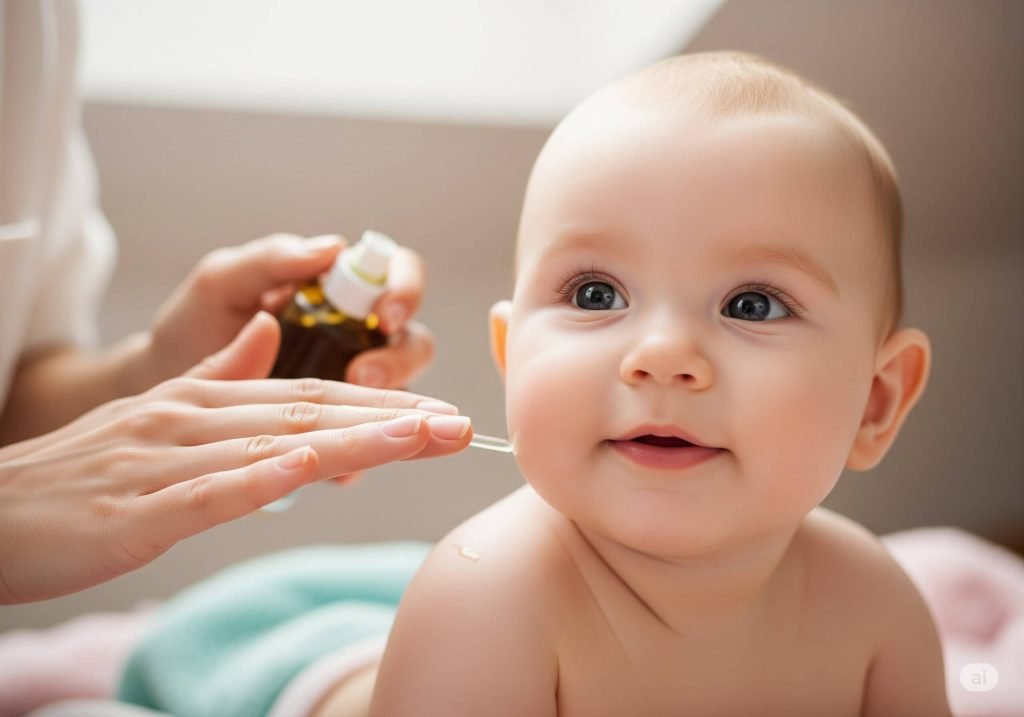
As a parent, there’s little more concerning than seeing your precious baby uncomfortable. Dry skin, with its tell-tale flakes and sometimes redness, can be a common culprit, leaving you searching for gentle, effective solutions. While a trip to the pediatrician is always recommended for persistent or severe cases, many instances of baby dry skin can be wonderfully managed with natural, loving care right at home.
In this comprehensive guide, we’ll explore the underlying causes of baby dry skin, delve into a treasure trove of natural remedies, and equip you with the knowledge to keep your baby’s skin soft, supple, and healthy. Say goodbye to dryness and hello to happy, hydrated skin!
Why Does My Baby Have Dry Skin? Understanding the Causes
Before we dive into remedies, it’s helpful to understand why babies are prone to dry skin in the first place. Their delicate skin is far more sensitive and thinner than adult skin, making it more susceptible to environmental factors and irritants.
Here are some common culprits:
- Immature Skin Barrier: A baby’s skin barrier is still developing, meaning it’s not as effective at retaining moisture as an adult’s.
- Genetics: If you or your partner have a history of dry skin or conditions like eczema, your baby might be more predisposed.
- Harsh Soaps and Shampoos: Many conventional baby products contain chemicals and fragrances that can strip natural oils from the skin, leading to dryness.
- Over-Bathing: While it might seem counterintuitive, frequent or long baths, especially in hot water, can dry out a baby’s skin by removing its protective oils.
- Environmental Factors: Low humidity, especially during winter months, or exposure to harsh winds can significantly contribute to dry skin.
- Chlorinated Water: The chlorine in tap water can be drying, particularly for sensitive baby skin.
- Irritating Fabrics: Synthetic materials or wool can sometimes irritate delicate skin and worsen dryness.
- Allergies: In some cases, food allergies or environmental allergens can manifest as skin dryness or eczema.
The Gentle Touch: Natural Remedies for Baby Dry Skin
Now for the good news! There are numerous safe and effective natural remedies you can use to soothe and hydrate your baby’s dry skin. Remember to always patch-test any new product on a small area of your baby’s skin before applying it all over.
1. Embrace the Power of Natural Oils:
Nature provides an abundance of moisturizing oils perfect for baby skin. These oils are rich in fatty acids and vitamins that nourish and protect.
- Coconut Oil: A true superstar! Virgin coconut oil is anti-inflammatory, antimicrobial, and deeply moisturizing. Gently warm a small amount in your hands and massage it onto your baby’s dry patches after a bath or throughout the day.
- Olive Oil: Extra virgin olive oil is another excellent choice, packed with antioxidants. It’s a great emollient for dry, flaky skin.
- Sweet Almond Oil: Light and easily absorbed, sweet almond oil is rich in Vitamin E, making it ideal for sensitive skin.
- Jojoba Oil: Mimicking the skin’s natural sebum, jojoba oil is incredibly balancing and non-greasy, making it perfect for baby massages.
- Sunflower Seed Oil: Studies have shown sunflower seed oil can help maintain the skin barrier and reduce inflammation.
How to Use Natural Oils: For best results, apply natural oils to your baby’s damp skin immediately after a bath to lock in moisture. You can also use them for gentle daily massages.
2. The Wonders of Oatmeal Baths:
Oatmeal isn’t just for breakfast! Colloidal oatmeal, finely ground oats, has long been a go-to remedy for irritated and dry skin. It contains avenanthramides, compounds that reduce inflammation and itching.
- How to Prepare: Grind plain, unflavored oats into a fine powder using a blender or food processor. Add about 1/3 to 1/2 cup of this powder to your baby’s lukewarm bathwater.
- Bathing Ritual: Let your baby soak for 10-15 minutes, gently patting the oatmeal water onto their skin. Avoid rubbing. After the bath, gently pat your baby dry and immediately follow with a natural moisturizer.
3. Breast Milk – Liquid Gold for Skin:
If you are breastfeeding, don’t underestimate the power of your own breast milk. It contains antibodies, proteins, and fats that are incredibly nourishing and healing.
- Application: Dab a few drops of breast milk onto your baby’s dry or irritated patches and let it air dry. It can be particularly effective for minor rashes and dry spots.
4. Humidify Your Home:
Dry indoor air can severely impact skin hydration. A humidifier adds moisture back into the air, creating a more skin-friendly environment for your baby.
- Placement: Place a cool-mist humidifier in your baby’s room, especially during colder months or in arid climates. Ensure you clean the humidifier regularly to prevent mold growth.
5. Smart Bathing Practices:
Less is often more when it comes to bathing babies with dry skin.
- Shorter, Lukewarm Baths: Limit bath time to 5-10 minutes and use lukewarm water, not hot.
- Gentle Cleansers: Opt for fragrance-free, pH-neutral baby cleansers specifically designed for sensitive skin, or consider using just plain water for most baths.
- Pat Dry, Don’t Rub: After the bath, gently pat your baby’s skin dry with a soft towel, leaving it slightly damp.
- Moisturize Immediately: Within three minutes of taking your baby out of the bath, generously apply a natural moisturizer or oil to lock in moisture. This is crucial for preventing water evaporation and further dryness.
6. Dress for Success (and Comfort):
The clothes your baby wears can also impact their skin’s hydration.
- Opt for Natural Fabrics: Choose soft, breathable fabrics like 100% cotton. Avoid wool or synthetic materials that can irritate sensitive skin.
- Loose-Fitting Clothing: Ensure your baby’s clothes are not too tight, as friction can exacerbate dryness.
- Gentle Laundry Detergent: Use a fragrance-free, dye-free laundry detergent specifically designed for sensitive skin. Double-rinse clothes to remove any residue.
When to Seek Professional Help:
While natural remedies are often highly effective, it’s essential to know when to consult a healthcare professional.
See your pediatrician if:
- The dry skin is severe, widespread, or doesn’t improve with natural remedies.
- The skin is red, inflamed, cracked, or bleeding.
- There are signs of infection, such as pus, fever, or increased redness and warmth.
- Your baby seems to be in discomfort, is scratching excessively, or has trouble sleeping due to skin issues.
- You suspect an underlying allergy or eczema.
Nurturing Your Baby’s Skin: A Daily Ritual
Treating baby dry skin naturally is about more than just applying remedies; it’s about establishing a gentle, nurturing routine. Consistency is key. By incorporating these natural solutions and adopting mindful practices, you can help your little one maintain soft, healthy, and happy skin, allowing them to explore their world in comfort and joy.
Remember, every baby is unique, so it might take a little trial and error to find the perfect combination of remedies that works best for your little one. But with patience and these natural allies, you’ll be well on your way to banishing dry skin and embracing those irresistibly soft baby cuddles!
FAQ
Q1: How often should I moisturize my baby’s dry skin? A1: For baby dry skin, it’s ideal to moisturize at least twice a day, and always within three minutes of a bath to lock in moisture. For very dry patches, you can apply more frequently throughout the day.
Q2: Can I use adult lotions on my baby’s dry skin? A2: It’s generally not recommended to use adult lotions on baby dry skin. Adult products often contain fragrances, dyes, and other chemicals that can irritate a baby’s delicate skin. Stick to natural oils or products specifically formulated for sensitive baby skin.
Q3: How do I know if my baby’s dry skin is eczema? A3: Eczema (atopic dermatitis) often presents as very dry, red, itchy, and sometimes scaly patches of skin, commonly on the face, scalp, elbows, and knees. It can also appear as small bumps or crusty areas. If you suspect eczema, it’s best to consult your pediatrician for an accurate diagnosis and treatment plan.
Q4: Is bathing my baby every day bad for their dry skin? A4: Daily bathing, especially with hot water and harsh soaps, can strip natural oils and worsen baby dry skin. For newborns, a full bath every 2-3 days is often sufficient. For older babies, consider shorter, lukewarm baths every other day, focusing on gentle cleansing and immediate moisturization. On non-bath days, spot clean with a warm, damp cloth.
Q5: What are the best natural oils for baby dry skin? A5: Some of the best natural oils for baby dry skin include virgin coconut oil, extra virgin olive oil, sweet almond oil, jojoba oil, and sunflower seed oil. These oils are gentle, nourishing, and rich in beneficial compounds that help hydrate and protect the skin barrier.