
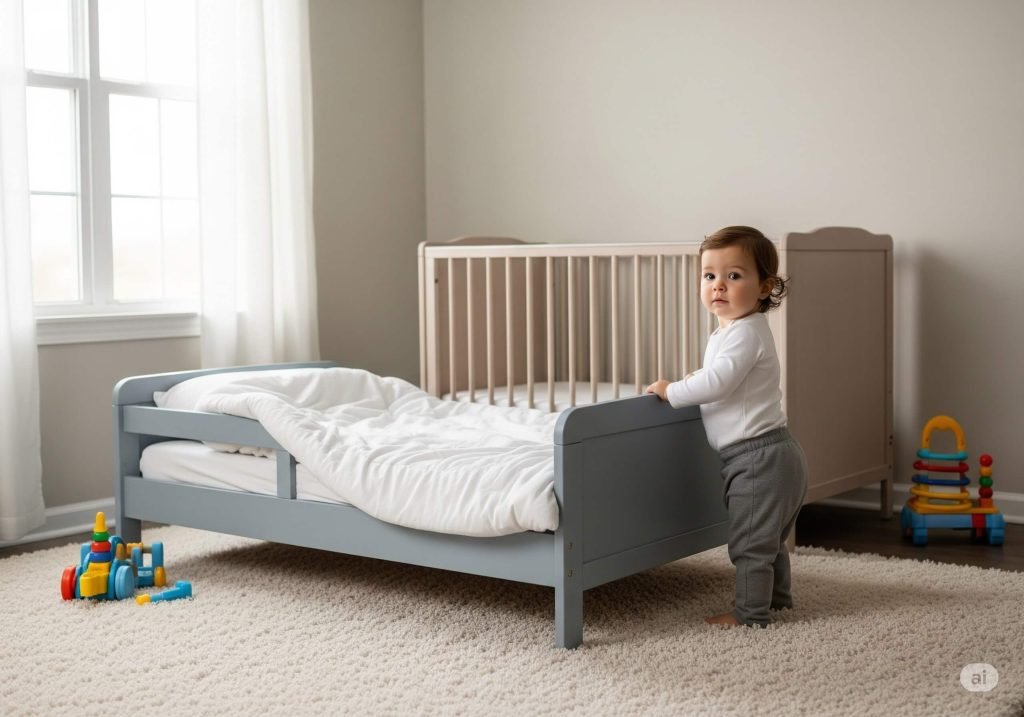
The crib has been a cozy haven, a safe sleep space, and perhaps even a familiar friend to your little one. But then, it happens. They’re getting bigger, maybe attempting daring escapes, or simply seem to have outgrown their trusty cot. The question that starts to bubble up for many parents is: “When is the right time to transition my baby from a crib to a bed?”
This seemingly simple question opens up a world of considerations, from safety to sleep habits, and even your child’s emotional readiness. There’s no hard and fast rule, no magic age, and certainly no single “perfect” moment that applies to every child. Instead, it’s about recognizing a combination of signs and understanding what works best for your unique family.
The Great Escape Artist: Safety First!
Perhaps the most compelling reason to consider the transition is safety. If your child has become a mini Houdini, regularly attempting or successfully climbing out of their crib, it’s a clear signal. A fall from a crib can lead to serious injury, and preventing this should be your top priority.
Generally, the recommendation is to make the switch when your child is about 35 inches tall, or when the height of the crib rail is less than three-quarters of your child’s height. However, some agile toddlers can scale a crib even if they don’t quite meet these height benchmarks. If you’re witnessing frequent escape attempts, it’s time to act, regardless of their exact height or age.
Beyond Safety: Other Key Readiness Signs
While safety is paramount, other indicators can tell you your child might be ready for a big kid bed:
- Age: Most children transition between 2 and 3.5 years old. Before two, many children lack the impulse control and understanding of boundaries needed for an open bed. However, some older toddlers might still thrive in their cribs, and that’s perfectly fine too!
- Potty Training Progress: Is your child showing signs of readiness for potty training, or are they already in the midst of it? Being able to get out of bed independently to use the bathroom (or a potty chair) can be a strong motivator for the switch. It also makes nighttime potty breaks much easier for everyone involved.
- Asking for a Big Kid Bed: Sometimes, your child will tell you themselves! If they’re expressing curiosity about a “big bed” like older siblings or friends, it’s a good sign they’re mentally preparing for the change.
- Outgrowing the Crib: Physically, they might just look too big for the crib. Their legs might be squished, or they might seem uncomfortable.
- New Sibling on the Way: While not ideal to rush the transition solely for a new baby, if a sibling is due soon, transitioning your older child well in advance (at least 2-3 months before the baby arrives) can help prevent resentment and make the older child feel special, not displaced. Avoid making the switch right when the new baby arrives, as this can be a difficult time for your toddler.
- Improved Impulse Control: Can your child understand and follow simple rules? Do they have a basic grasp of “stay in bed until morning”? This level of understanding is crucial for a smooth transition.
When to Hold Off: Signs Your Child Might Not Be Ready
Just as there are signs of readiness, there are also times when it’s best to delay the transition:
- During Major Life Changes: A new sibling, a move to a new house, starting daycare, or any other significant family upheaval are not ideal times to introduce another big change. Stability is key for young children.
- Frequent Night Waking: If your child is still waking frequently at night and needs your assistance to resettle, an open bed might lead to even more disruptions.
- Impulsivity and Lack of Understanding: If your child doesn’t seem to grasp the concept of staying in bed or struggles with following simple instructions, they might not be ready for the freedom a big kid bed offers.
Making the Switch: Tips for a Smooth Transition
Once you’ve decided it’s time, here are some tips to make the transition as smooth as possible:
- Involve Your Child: Let them help pick out new bedding, a special pillow, or even a new nightlight. This gives them a sense of ownership and excitement about the change.
- Talk About It: Explain what’s happening in simple, positive terms. Read books about transitioning to a big kid bed.
- Choose the Right Bed: A toddler bed (low to the ground, often with rails) is an excellent first step, offering a sense of security while still allowing for independence. A twin bed with a bed rail is also a great option.
- Prioritize Safety: Ensure the room is completely child-proofed. Secure furniture to the walls, cover outlets, and remove any potential hazards. Remember, they can now get out of bed independently!
- Maintain Routine: Keep your bedtime routine consistent. Familiarity provides comfort and helps signal that it’s time to wind down.
- Be Patient and Consistent: The first few nights might involve some “jack-in-the-box” moments. Gently and consistently return your child to bed without engaging in long conversations or lectures. A simple, “It’s sleepy time, back to bed,” usually suffices.
- Consider a Floor Bed: For some families, especially those following Montessori principles, a mattress on the floor can be an ideal first step, offering ultimate freedom and safety.
- Celebrate Small Wins: Praise your child for staying in bed, even if it’s just for a few minutes longer each night. Positive reinforcement goes a long way.
The transition from crib to bed is a significant milestone, both for your child and for you. By observing your child’s readiness cues, prioritizing safety, and approaching the change with patience and consistency, you can make this exciting step a positive experience for everyone involved. Sweet dreams in their new big kid bed!
Frequently Asked Questions (FAQ)
1. What is the best age to transition from crib to bed?
- Meta Description: Discover the ideal age range for transitioning your baby from a crib to a big kid bed, typically between 2 and 3.5 years old, considering individual readiness cues.
- There’s no single “best” age, but most children transition between 2 and 3.5 years old. The most important factors are your child’s safety, physical readiness, and emotional understanding of boundaries.
2. How do I know if my child is ready for a big kid bed?
- Meta Description: Learn key indicators like climbing out of the crib, potty training progress, and verbal requests that signal your child’s readiness for a big kid bed.
- Look for signs like climbing out of the crib, being over 35 inches tall, showing interest in potty training, asking for a big bed, or simply looking too big for their crib.
3. What kind of bed should I get for the transition?
- Meta Description: Explore popular options for your child’s first big kid bed, including toddler beds with rails, twin beds with safety rails, and floor beds, ensuring a safe and comfortable switch.
- A toddler bed is often a good first step, as it’s low to the ground and may have built-in rails. A twin bed with a separate bed rail is another excellent option. Some parents also opt for a floor bed (a mattress directly on the floor) for maximum independence and safety.
4. How can I make the transition smoother?
- Meta Description: Get practical tips for a successful crib-to-bed transition, including involving your child in the process, maintaining bedtime routines, and ensuring a child-proofed room.
- Involve your child in choosing bedding, talk positively about the change, maintain a consistent bedtime routine, child-proof the room thoroughly, and be patient and consistent with returning them to bed if they get out.