
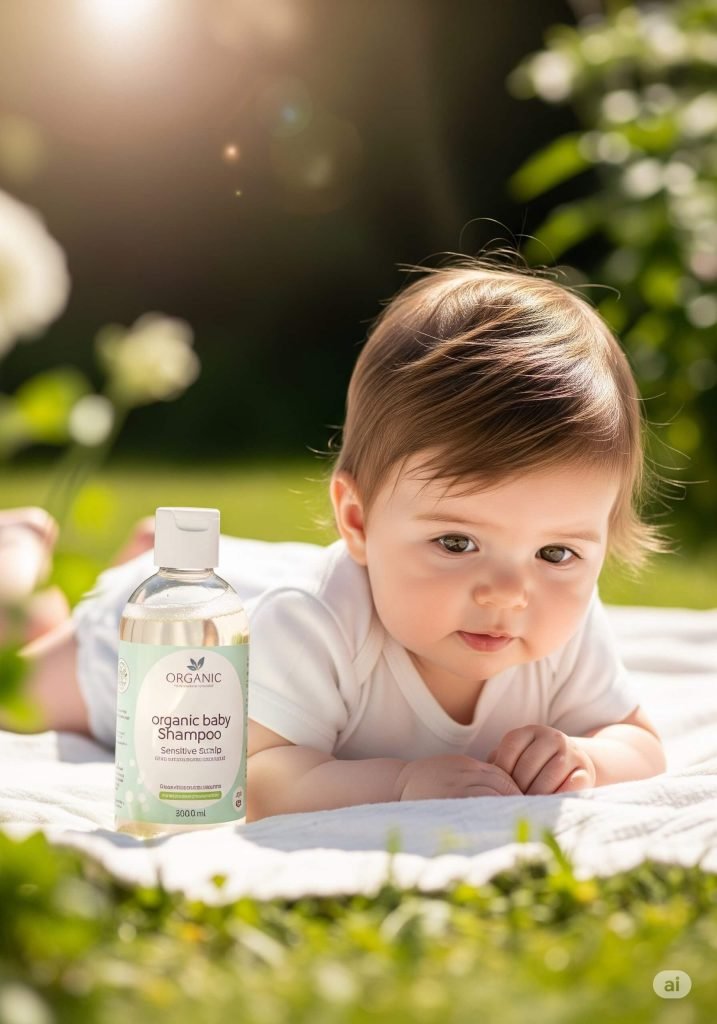
As parents, we strive to provide the best for our little ones, and that includes their delicate skin and hair. A baby’s scalp is much thinner and more sensitive than an adult’s, making it particularly vulnerable to irritation from harsh chemicals often found in conventional shampoos. If your baby has a sensitive scalp, prone to dryness, redness, or even conditions like eczema or cradle cap, switching to an organic baby shampoo isn’t just a preference – it’s a necessity.
The Vulnerability of a Baby’s Scalp
Imagine a protective barrier that shields your skin from the outside world. For babies, this barrier is still developing. Their skin, especially on the scalp, lacks the mature moisture barrier that adults possess, making it more susceptible to moisture loss and external irritants. Common culprits behind sensitive scalps in babies include:
- Harsh Chemicals: Sulfates (like Sodium Lauryl Sulfate – SLS, and Sodium Laureth Sulfate – SLES), parabens, phthalates, synthetic fragrances, and artificial dyes are prevalent in many conventional shampoos. These can strip natural oils, disrupt the skin’s pH balance, and trigger allergic reactions or irritation.
- Environmental Factors: Cold, dry weather, wind, and even excessive sun exposure can strip moisture from the scalp.
- Over-washing and Hot Water: Bathing your baby too frequently or using water that’s too hot can lead to dryness and strip away essential natural oils.
- Allergens: Pet dander, dust, pollen, or even certain detergents can act as allergens, causing an irritable scalp.
- Skin Conditions: Cradle cap (infantile seborrheic dermatitis), eczema (atopic dermatitis), and even dandruff can contribute to a sensitive and irritated scalp.
The symptoms of a sensitive scalp often manifest as flakiness, redness, itching, or a dull, tight appearance of the skin. In more severe cases, your baby might experience discomfort, fussiness, or even temporary hair loss.
The Organic Advantage: Why It Matters
Choosing an organic baby shampoo for a sensitive scalp is a proactive step towards ensuring your baby’s comfort and well-being. Here’s why organic formulations stand out:
- Gentle, Natural Ingredients: Organic baby shampoos prioritize natural, plant-based ingredients known for their soothing and nourishing properties. Think of ingredients like:
- Aloe Vera: Renowned for its hydrating and anti-inflammatory benefits, it soothes irritated skin and provides a moisture boost.
- Chamomile: A natural anti-inflammatory herb, chamomile calms sensitive skin and often imparts a mild, calming scent.
- Calendula: With its antioxidant, anti-inflammatory, and healing properties, calendula is ideal for soothing irritated skin and promoting scalp health.
- Coconut Oil: A gentle yet effective moisturizer, it cleanses without stripping natural oils and boasts antimicrobial properties.
- Oat Extract/Oat Aminos: Incredibly gentle and moisturizing, oat helps relieve dry or irritated skin and can provide a light, natural lather without harsh surfactants.
- Vegetable Glycerin: A natural humectant that attracts and locks moisture into the skin, preventing dryness.
- Rose Water: Offers calming and hydrating benefits, reducing redness and irritation.
- Probiotics: Some advanced formulas include probiotics to help maintain a healthy balance of beneficial bacteria on the skin, acting as a natural defense against harmful invaders.
- Absence of Harmful Chemicals: The biggest draw of organic options is the conscious exclusion of sulfates, parabens, synthetic fragrances, dyes, phthalates, and other potentially irritating chemicals. This significantly reduces the risk of allergic reactions and skin sensitivities.
- pH-Balanced Formulas: Organic baby shampoos are typically formulated to be pH-balanced, closer to the natural pH of a baby’s skin (around 5.5). This helps maintain the skin’s natural barrier and prevents dryness or irritation.
- Tear-Free Formulations: Many organic baby shampoos are designed to be tear-free, ensuring that accidental contact with the eyes doesn’t cause stinging or discomfort, making bath time a more pleasant experience for everyone.
- Nourishing and Hydrating: Beyond just cleansing, organic shampoos aim to nourish the scalp and hair, leaving it soft, smooth, and moisturized. Ingredients like coconut oil, shea butter, and natural extracts contribute to this hydrating effect.
What to Look for When Choosing
When navigating the world of organic baby shampoos for sensitive scalps, keep these key factors in mind:
- “Organic” or “Natural” Certifications: Look for certifications from reputable organizations like USDA Organic, EWG Verified, or Ecocert, which indicate that the product meets strict standards for organic ingredients and environmental impact.
- Ingredient List Scrutiny: Prioritize shampoos with short, recognizable ingredient lists. Actively avoid:
- Sodium Lauryl Sulfate (SLS) and Sodium Laureth Sulfate (SLES)
- Parabens (methylparaben, ethylparaben, propylparaben, butylparaben)
- Phthalates (often hidden under “fragrance”)
- Synthetic fragrances and dyes
- Formaldehyde-releasing preservatives (e.g., DMDM hydantoin)
- Fragrance-Free or Mildly Fragranced: For highly sensitive scalps, fragrance-free is always the safest bet. If a scent is desired, opt for those naturally derived from essential oils known for their calming properties (like lavender or chamomile in very low concentrations).
- Hypoallergenic and Dermatologist-Tested: These labels indicate that the product has been specifically formulated to minimize allergic reactions and has undergone testing for sensitive skin.
- Tear-Free Formula: Essential for a gentle and fuss-free bath experience.
- Specific Concerns: If your baby has conditions like eczema or cradle cap, look for shampoos specifically formulated to address these issues, often containing ingredients like colloidal oatmeal, calendula, or ceramides.
- Patch Test: Even with the gentlest organic products, it’s always wise to perform a patch test on a small area of your baby’s skin before full use, observing for any reactions over 24 hours.
Making Bath Time a Blissful Experience
Choosing the right organic baby shampoo for a sensitive scalp is a foundational step in establishing a healthy and enjoyable bath routine. By opting for products free from harsh chemicals and rich in natural, soothing ingredients, you’re providing your baby with the gentle care their delicate skin deserves. Remember that consistent, gentle care is key to managing a sensitive scalp and ensuring your little one’s comfort and happiness during bath time.
Frequently Asked Questions (FAQs)
Q1: What are the main benefits of using organic baby shampoo for a sensitive scalp? A1: Organic baby shampoos for sensitive scalps offer numerous benefits, primarily due to their natural, gentle formulations. They are free from harsh chemicals like sulfates, parabens, and synthetic fragrances that can irritate a baby’s delicate skin. Instead, they use soothing plant-based ingredients such as aloe vera, chamomile, and calendula, which help to moisturize, calm inflammation, and maintain the skin’s natural pH balance, reducing dryness, itching, and redness.
Q2: How can I tell if my baby has a sensitive scalp? A2: Signs of a sensitive scalp in babies often include redness, flakiness, dryness, itching (your baby might scratch their head or seem fussy during hair washing), or visible irritation. Conditions like cradle cap (thick, oily patches) or eczema (red, scaly, itchy patches) are also indicators of a sensitive scalp that requires gentle care.
Q3: Are “natural” and “organic” baby shampoos the same? A3: While often used interchangeably, “organic” typically implies a higher standard of ingredient sourcing and processing, often requiring certification from regulatory bodies (like USDA Organic). “Natural” can be a broader term, meaning ingredients are derived from nature, but doesn’t necessarily guarantee the absence of all synthetic compounds or strict farming practices. For sensitive scalps, looking for certified organic products provides a greater assurance of purity and gentleness.
Q4: What ingredients should I absolutely avoid in baby shampoo for a sensitive scalp? A4: For a sensitive scalp, it’s crucial to avoid sulfates (Sodium Lauryl Sulfate/SLS, Sodium Laureth Sulfate/SLES), parabens, phthalates, synthetic fragrances, artificial dyes, and formaldehyde-releasing preservatives (e.g., DMDM hydantoin). These ingredients are known irritants that can strip natural oils, disrupt the skin barrier, and trigger allergic reactions.
Q5: Can an organic baby shampoo help with cradle cap? A5: Yes, many organic baby shampoos formulated for sensitive scalps can help manage cradle cap. Look for ingredients like calendula, coconut oil, or oat extract, which are known for their moisturizing and soothing properties. Gentle cleansing with these shampoos can help loosen flakes and prevent dryness, without aggravating the condition. Always consult your pediatrician for persistent or severe cases of cradle cap.