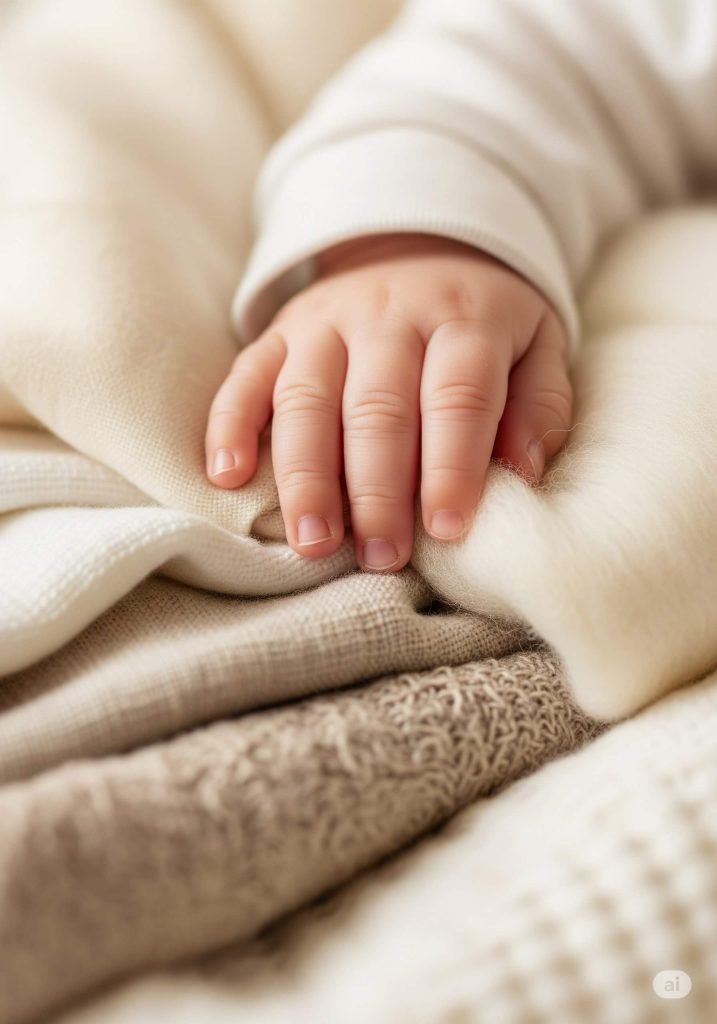
Bringing a new baby into the world is an exciting journey, filled with countless decisions. Among the most important is selecting the right clothing for their incredibly delicate and sensitive skin. Unlike adult skin, a baby’s skin is thinner, more porous, and far more susceptible to irritation, allergies, and temperature fluctuations. This is why the fabric choices for their tiny wardrobe are paramount.
The market is flooded with adorable baby outfits, but not all fabrics are created equal when it comes to infant wear. So, what exactly should you be looking for? The key lies in prioritizing softness, breathability, hypoallergenic properties, and durability. Let’s dive into the world of baby fabrics and explore the best options to keep your little one happy, healthy, and supremely comfortable.
Why Fabric Choice Matters So Much for Babies
Before we explore specific fabrics, it’s crucial to understand why making informed choices is so important.
- Sensitive Skin: A newborn’s skin barrier is still developing, making it vulnerable to harsh chemicals, dyes, and rough textures. Irritation can quickly lead to rashes, eczema flare-ups, and discomfort.
- Temperature Regulation: Babies struggle to regulate their body temperature effectively. Fabrics that trap heat can lead to overheating, while those that don’t provide enough warmth can cause them to get too cold. Breathability is key for maintaining a stable body temperature.
- Frequent Washing: Let’s face it, baby clothes get dirty. A lot. The chosen fabric needs to withstand frequent washing cycles without losing its softness, shape, or color.
- Safety: Loose threads, small embellishments, and certain synthetic materials can pose choking hazards or cause irritation.
Considering these factors, natural fibers often emerge as the superior choice due to their inherent qualities that align perfectly with a baby’s needs.
Top Fabric Choices for Baby Clothes
Here are the champions of comfort and safety when it comes to dressing your little one:
1. Organic Cotton: The Gentle Giant
Organic cotton stands as the gold standard for baby clothing, and for good reason. It’s cotton grown without the use of harmful pesticides, synthetic fertilizers, or genetically modified organisms. This makes it incredibly safe for sensitive skin and kinder to the planet.
- Why it’s great:
- Supremely Soft: Organic cotton is naturally soft and becomes even softer with each wash, providing a gentle touch against delicate skin.
- Highly Breathable: Its natural fibers allow excellent air circulation, preventing overheating and keeping your baby comfortable.
- Hypoallergenic: Free from harsh chemicals, it significantly reduces the risk of allergic reactions and skin irritations.
- Durable: Organic cotton is robust and can withstand countless washes, making it a practical choice for everyday wear.
- Absorbent: It effectively wicks away moisture, keeping your baby dry.
- Best for: Everyday bodysuits, sleepwear, onesies, rompers, and anything that directly touches your baby’s skin. Look for GOTS (Global Organic Textile Standard) certification for assurance of quality and ethical production.
2. Bamboo Fabric: The Silky Soft Sensation
Bamboo fabric has rapidly gained popularity in the baby apparel industry, and its luxurious feel is undeniable. It’s often processed into a rayon or viscose, which results in a remarkably soft and smooth texture.
- Why it’s great:
- Unbelievably Soft: Often compared to cashmere, bamboo fabric is incredibly silky and gentle on even the most sensitive skin, including those prone to eczema.
- Excellent Moisture-Wicking: Bamboo fibers are highly absorbent and pull moisture away from the skin, keeping your baby dry and comfortable.
- Temperature Regulating: It helps regulate body temperature, keeping babies cool in warm weather and surprisingly cozy in cooler temperatures.
- Hypoallergenic & Antibacterial: Bamboo has natural antibacterial properties, which can help prevent odor and keep skin fresh. It’s also naturally hypoallergenic.
- Eco-Friendly (with caveats): While bamboo is a fast-growing plant that requires minimal water and no pesticides to grow, the process of turning it into soft fabric (viscose/rayon) can be chemical-intensive. Look for OEKO-TEX Standard 100 certification to ensure the final product is free from harmful substances.
- Best for: Sleepwear, sensitive skin, swaddles, blankets, and items where an extra touch of luxurious softness is desired.
3. Merino Wool: The Wonder Fiber
When you think of wool, you might picture scratchy sweaters, but merino wool is a different breed entirely. Derived from Merino sheep, this natural fiber is incredibly fine, soft, and surprisingly gentle.
- Why it’s great:
- Exceptional Temperature Regulation: Merino wool is a superstar at thermoregulation, keeping your baby warm in the cold and cool in the heat. It does this by trapping air in its fibers and wicking away moisture.
- Moisture-Wicking & Odor-Resistant: It can absorb a significant amount of moisture without feeling damp, and its natural properties resist odor.
- Soft and Non-Irritating: Unlike traditional wool, superfine merino wool is not itchy and feels smooth against the skin.
- Breathable: Allows air to circulate, preventing clamminess.
- Durable: Despite its delicate feel, merino wool is resilient.
- Best for: Layering pieces, sleep sacks, outer layers in cooler climates, and for babies who tend to get sweaty.
4. Muslin: The Lightweight Champion
Muslin is a lightweight, loosely woven cotton fabric known for its exceptional breathability and softness, which improves with every wash.
- Why it’s great:
- Highly Breathable: Its open weave allows maximum airflow, making it perfect for warmer climates or preventing overheating during sleep.
- Softens with Use: Muslin becomes incredibly soft and pliable over time, making it gentle on baby’s skin.
- Quick-Drying: Its light nature means it dries quickly after washing.
- Best for: Swaddles, blankets, burp cloths, and lightweight summer clothing.
5. Jersey Knit (Cotton or Blends): The Stretchy Staple
Jersey knit, often made from cotton or a cotton blend, is a soft, stretchy fabric commonly used for baby clothes like onesies, leggings, and t-shirts.
- Why it’s great:
- Soft & Comfortable: Its knit construction makes it inherently soft and comfortable.
- Stretchy: The elasticity allows for easy movement and makes dressing and changing diapers much simpler.
- Durable: Good quality jersey knit can withstand frequent washing and retain its shape.
- Best for: Everyday wear, bodysuits, rompers, and anything requiring flexibility and ease of movement.
Fabrics to Approach with Caution (or Avoid)
While some synthetic fabrics are marketed for babies, it’s generally best to be cautious due to their potential downsides:
- Polyester & Fleece (100% Synthetic): While warm, these fabrics are less breathable than natural fibers and can trap heat and moisture, leading to discomfort and potentially skin irritation. They can also be made with petroleum-based chemicals. If choosing fleece for warmth, opt for cotton fleece.
- Rough or Stiff Fabrics: Anything that feels rough to your touch will likely irritate a baby’s delicate skin.
- Heavily Dyed Fabrics: Excessive dyes can contain chemicals that might cause allergic reactions. Opt for lighter shades or natural dyes where possible.
Key Considerations When Choosing Baby Fabrics
Beyond the type of fabric, keep these factors in mind:
- Seasonality: Choose lighter, more breathable fabrics like cotton, muslin, and linen for summer, and warmer options like merino wool or cotton fleece for winter.
- Fit and Design: Look for loose-fitting designs that allow for easy movement. Snap buttons or zippers can simplify diaper changes. Avoid unnecessary embellishments that could be choking hazards.
- Certifications: Always look for certifications like GOTS (Global Organic Textile Standard) for organic cotton or OEKO-TEX Standard 100, which ensures fabrics are tested for harmful substances.
- Care Instructions: Check washing labels. Baby clothes need to be washed frequently, so choose fabrics that are easy to care for and can withstand regular laundering.
Conclusion
Choosing the right fabrics for your baby’s clothes is a fundamental step in ensuring their comfort, safety, and well-being. By prioritizing natural, soft, breathable, and hypoallergenic options like organic cotton, bamboo, and merino wool, you’re not just dressing your baby – you’re providing a gentle, nurturing environment for their sensitive skin to thrive. Remember, when it comes to your little one, the softest touch always wins.
FAQ: What Fabrics Are Best for Baby Clothes?
Q1: Why is organic cotton often recommended for baby clothes? A1: Organic cotton is grown without harmful pesticides and synthetic chemicals, making it exceptionally soft, breathable, and hypoallergenic. This reduces the risk of skin irritation and allergies, providing ultimate comfort for your baby’s delicate skin.
Q2: Is bamboo fabric safe for babies with sensitive skin or eczema? A2: Yes, bamboo fabric is known for its incredibly soft, silky texture and natural hypoallergenic properties, making it an excellent choice for babies with sensitive skin or conditions like eczema. It’s also moisture-wicking, helping to keep skin dry and prevent irritation. Look for OEKO-TEX certification.
Q3: Can merino wool be used for baby clothes, or is it too itchy? A3: Unlike traditional wool, superfine merino wool is remarkably soft and non-itchy. It’s a fantastic choice for baby clothes because of its exceptional temperature-regulating properties, keeping babies warm in the cold and cool in the heat, while also being breathable and moisture-wicking.
Q4: What fabrics should I avoid for my baby’s clothes? A4: It’s generally best to avoid 100% synthetic fabrics like polyester and nylon, as they can be less breathable, trap heat, and may contain chemicals that could irritate sensitive skin. Also, steer clear of rough textures or clothes with small, easily detachable embellishments that could pose a choking hazard.
Q5: How do I ensure the baby clothes I buy are truly safe and free of harmful chemicals? A5: Look for certifications like GOTS (Global Organic Textile Standard) for organic cotton, which guarantees environmentally and socially responsible manufacturing, or OEKO-TEX Standard 100, which ensures the fabric has been tested and is free from harmful substances.