
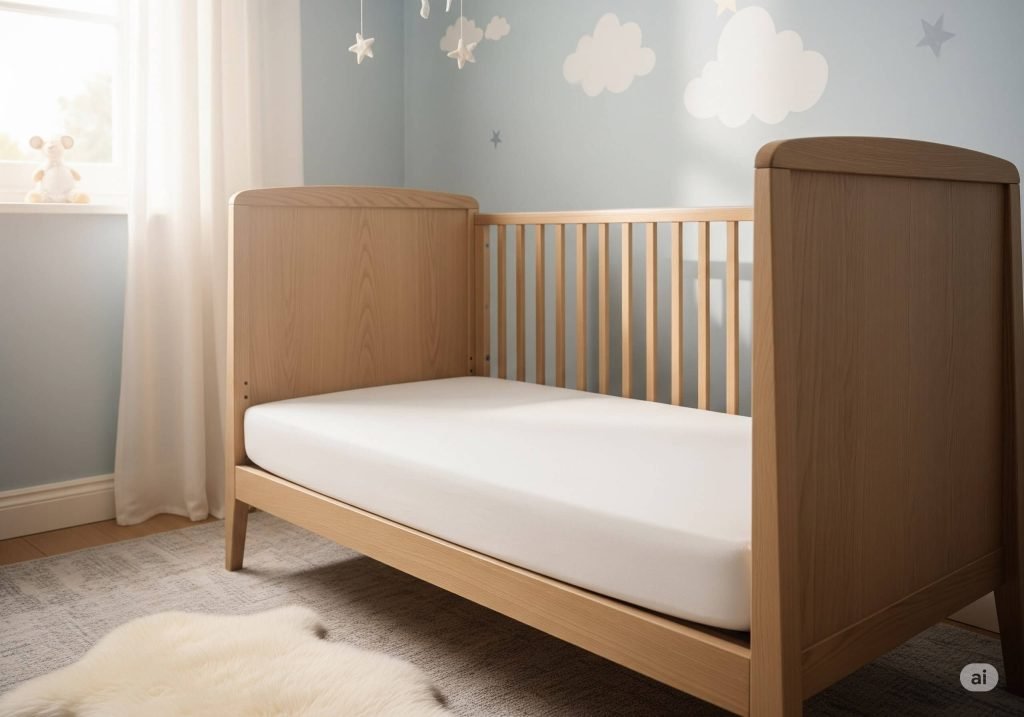
Bringing a new baby home is an exciting journey, filled with anticipation and countless preparations. Among the many essential items you’ll need for your nursery, the crib mattress stands out as one of the most critical. It’s not just a place for your baby to sleep; it’s their sanctuary, their growth hub, and a key factor in their safety. But with so many options available, how do you navigate the world of crib mattress sizes to ensure you choose the perfect fit?
This comprehensive guide will walk you through everything you need to know about crib mattress sizes, helping you make an informed decision for your little one’s safe and comfortable sleep.
Why Crib Mattress Size Matters: Safety First!
The importance of choosing the correct crib mattress size cannot be overstated. A mattress that doesn’t fit snugly can create dangerous gaps between the mattress and the crib frame. These gaps, even seemingly small ones, pose a significant suffocation and entrapment risk for infants. Imagine your baby rolling into a gap, or a tiny limb getting stuck – it’s a parent’s worst nightmare.
The U.S. Consumer Product Safety Commission (CPSC) and ASTM safety regulations are in place precisely to prevent such hazards. These guidelines dictate specific dimensions for standard cribs and mattresses to ensure a secure fit, minimizing any potential dangers. Always prioritize safety above all else when selecting a crib mattress.
Decoding Crib Mattress Dimensions: Standard, Mini, and Beyond
When it comes to crib mattress sizes, you’ll primarily encounter two main categories: standard and mini. However, there are also specialized options for unique crib designs.
1. Standard Crib Mattresses
This is by far the most common crib mattress size and what most parents opt for.
- Dimensions: According to CPSC regulations, a standard full-size crib mattress must measure at least 27 1/4 inches wide by 51 5/8 inches long. The thickness should not exceed 6 inches. While these are the minimum requirements, manufacturers often produce standard crib mattresses that are around 28 inches wide by 52 inches long.
- Fit: A standard crib mattress is designed to fit standard full-size cribs, which typically have interior dimensions of 28 inches wide by 52 3/8 inches long, with a permissible variation of plus or minus 5/8 inch. When you place the mattress in the crib, there should be no more than a 1-inch gap between the mattress and the crib sides. A good test is to try to fit two fingers between the mattress and the crib frame; if you can fit more, the mattress is too small.
- Versatility: Many standard crib mattresses are designed as “2-stage” mattresses, meaning they have a firmer infant side and a slightly softer toddler side. This allows the mattress to grow with your child, from newborn to toddlerhood (typically up to 3-5 years old).
2. Mini Crib Mattresses
Mini cribs are a fantastic option for smaller spaces, co-sleeping arrangements in the early months, or for those who want a more portable crib solution.
- Dimensions: Mini crib mattresses typically measure around 24 inches wide by 38 inches long. Unlike standard crib mattresses, mini crib mattress dimensions are not as strictly regulated by federal laws.
- Fit: Due to the less stringent regulations, mini cribs and their corresponding mattresses are often sold together to ensure a snug and safe fit. If you’re buying a mini crib mattress separately, it’s crucial to measure the inside dimensions of your mini crib precisely to guarantee compatibility. The same “no more than 1-inch gap” rule applies here.
- Portability: Mini cribs are often designed to be lightweight and easily movable, making them ideal for parents who need flexibility in their nursery setup or want to move the crib between rooms.
3. Shaped Crib Mattresses
For uniquely designed cribs (e.g., round, oval, hexagonal), you’ll need a shaped crib mattress.
- Dimensions: These mattresses come in various forms and sizes to match the specific crib they are intended for.
- Fit: Similar to mini cribs, shaped cribs are often sold with their corresponding mattresses due to the lack of standardized dimensions. Always ensure the mattress fits perfectly, leaving no gaps.
Beyond Size: Key Factors for a Safe and Comfortable Crib Mattress
While size is paramount for safety, several other factors contribute to a safe, comfortable, and healthy sleep environment for your baby.
1. Firmness
A firm mattress is crucial for infant safety. Soft sleep surfaces can increase the risk of Sudden Infant Death Syndrome (SIDS) as they can conform to the baby’s face, obstructing breathing.
- Test: Press down on the mattress. It should immediately rebound to its original position without leaving an indentation. Your baby should not sink into the mattress.
- Support: A firm mattress provides the necessary support for your baby’s developing bones and muscles.
2. Thickness
As mentioned, crib mattresses should not exceed 6 inches in thickness. Thicker mattresses, while seemingly more comfortable, can pose a climbing hazard as your baby grows, potentially allowing them to scale the crib rails and fall out.
3. Materials and Construction
Crib mattresses come in various materials, each with its own benefits.
- Foam: Lightweight and often more affordable, foam mattresses should be high-density for adequate support and durability. Look for CertiPUR-US® certification to ensure the foam is free from harmful chemicals.
- Innerspring: These mattresses feature a coil system for support, offering good durability and ventilation. A higher coil count generally indicates better support.
- Organic/Natural: Made from materials like organic cotton, natural latex, or coconut fiber, these mattresses are popular for parents seeking chemical-free options. They often offer excellent breathability and are naturally hypoallergenic.
- Breathability: Regardless of the material, aim for a breathable mattress. Good airflow helps regulate your baby’s temperature, reducing the risk of overheating and creating a healthier sleep environment by preventing moisture and allergen buildup. Many modern crib mattresses incorporate innovative designs and covers to enhance breathability.
- Waterproof Features: Accidents happen! A waterproof cover or mattress is essential for hygiene and extending the lifespan of the mattress. Many mattresses come with integrated waterproof surfaces, or you can purchase a separate, breathable waterproof mattress protector.
4. Certifications
Look for reputable certifications that indicate a mattress meets stringent safety and environmental standards:
- GREENGUARD Gold Certified: This certification ensures the entire mattress has been tested for low chemical emissions and volatile organic compounds (VOCs), contributing to healthier indoor air quality. This is especially important for products used by children.
- CertiPUR-US® Certified: Specifically for foam components, this certification verifies that the foam is made without ozone depleters, heavy metals, formaldehyde, phthalates, and certain flame retardants.
- JPMA Certified: The Juvenile Products Manufacturers Association (JPMA) certification indicates that a product meets the highest safety standards for juvenile products.
When to Buy and When to Replace
- When to Buy: It’s advisable to purchase your crib mattress well before your baby’s arrival, allowing time for off-gassing (if applicable) and ensuring you have everything set up for a smooth transition home.
- When to Replace: Crib mattresses generally last between 3 to 8 years, depending on the material, usage, and maintenance. However, always replace the mattress if you notice:
- Sagging or Lumps: This indicates a loss of firmness and support, which can be unsafe.
- Visible Wear and Tear: Tears, rips, or exposed coils.
- Persistent Odors or Stains: These can be signs of mold or mildew, which are harmful to your baby’s health.
- Loss of Firmness: If the mattress no longer rebounds quickly when pressed, it’s time for a new one.
Proper maintenance, such as using a waterproof cover and rotating/flipping the mattress regularly, can help extend its lifespan.
Final Thoughts: Prioritizing Your Baby’s Sleep
Choosing the right crib mattress size and type is a critical decision that directly impacts your baby’s safety, comfort, and development. By understanding the standard dimensions, prioritizing firmness, and considering material quality and certifications, you can confidently select a mattress that provides a safe, healthy, and restful sleep environment for your little one. Remember, a well-rested baby is a happy baby, and a well-informed parent has peace of mind.
Frequently Asked Questions (FAQ)
What is the standard crib mattress size?
Meta Description: Discover the standard crib mattress dimensions to ensure a safe and snug fit for your baby’s crib, typically 27.25″ x 51.625″ and up to 6″ thick.
The standard crib mattress size is 27 1/4 inches wide by 51 5/8 inches long, with a maximum thickness of 6 inches. Most manufacturers produce mattresses around 28 inches by 52 inches to fit standard full-size cribs, which have interior dimensions of approximately 28 inches by 52 3/8 inches.
How do I know if my crib mattress fits correctly?
Meta Description: Learn how to check for a proper crib mattress fit to prevent dangerous gaps, ensuring no more than a 1-inch space between the mattress and crib rails.
To ensure a correct fit, there should be no more than a 1-inch gap between the mattress and any side of the crib frame. You can test this by trying to fit two fingers between the mattress and the crib. If more than two fingers fit, the mattress is too small and unsafe.
Are mini crib mattresses a standard size?
Meta Description: Understand mini crib mattress dimensions, typically 24″ x 38″, and why they are often sold with mini cribs due to less standardized sizing.
No, mini crib mattress dimensions are not as strictly regulated as standard crib mattresses. They typically measure around 24 inches wide by 38 inches long. Because of this, mini cribs and their mattresses are often sold as a set to guarantee a safe and snug fit.
How firm should a crib mattress be?
Meta Description: Discover why a firm crib mattress is essential for infant safety, reducing SIDS risk and supporting healthy development.
A crib mattress should be firm to the touch, not soft or squishy. A firm surface is crucial for infant safety as it reduces the risk of Sudden Infant Death Syndrome (SIDS) by preventing the baby’s face from sinking into the mattress and obstructing breathing. It also provides optimal support for your baby’s developing spine.